


 ICE Agent Arrested in Minneapolis Over Venezuelan Man Shooting
  Trump Asks Supreme Court to Restore Third-Country Deportations
  Netanyahu Defends Israel at UN as Delegates Stage Walkout
  DOJ Will Investigate AI-Related Crimes, Attorney General Blanche Says
  Yemen Violence Displaces 130,000 as Civilian Toll Rises
  US Backs Musk in Fight Against EU’s €120 Million X Fine
  Saudi Arabia, Turkey and Pakistan Plan Urgent Defence Talks Over Houthi Attacks
  Trump, Xi Visit US National Archives After White House Summit
  Paramount Skydance Faces $30 Million Film Penalty in Warner Bros. Deal
  Trump Administration Prepares Sanctions Against Entire ICC
  Appeals Court Rejects Trump Third-Country Deportation Policy
  Ukrainian Drone Attacks Hit Russian Regions, Injuring at Least 12
  Pezeshkian Says US Must Choose When Iran War Ends
  Netanyahu Takes Aim at Mamdani as Israel Election Nears
  Maduro Seeks Dismissal of US Drug Trafficking Charges
  US Senate Rejects Iran War Powers Resolution in 50-49 Vote
  North Korea Warns South Korea Over US-Led Defense Role


 Add as a preferred source on Google
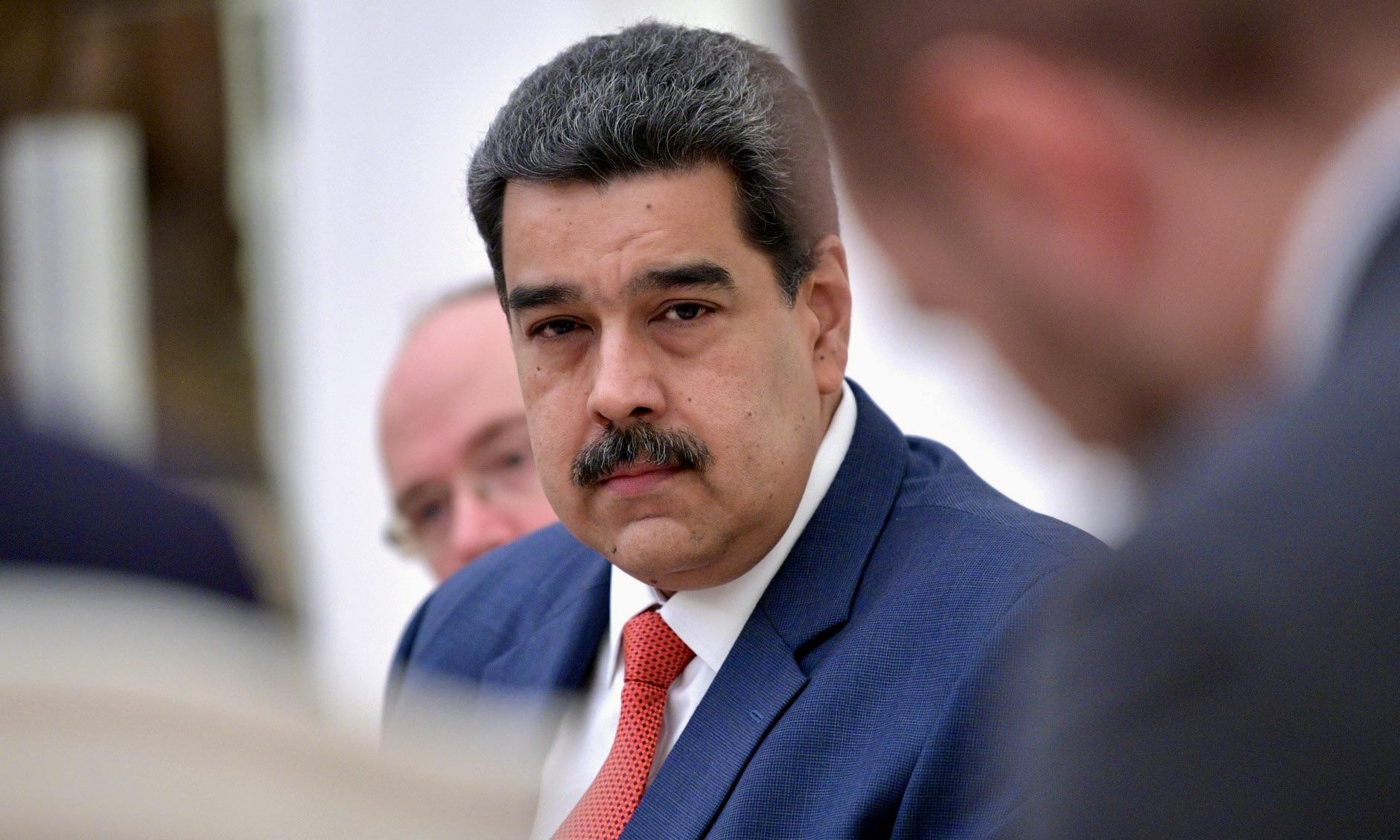
Former Venezuelan President Nicolas Maduro pleaded not guilty on Monday in a Manhattan federal court after a dramatic U.S. military operation ordered by President Donald Trump led to his capture, sending shockwaves through global politics and Venezuela’s fragile power structure.
Appearing in court shackled and wearing prison attire, Maduro denied all narcotics and weapons charges, insisting he remains Venezuela’s legitimate president. His wife, Cilia Flores, also entered a not-guilty plea. U.S. District Judge Alvin Hellerstein scheduled the next court hearing for March 17. Outside the courthouse, protesters both supporting and opposing Maduro gathered amid heavy security.
Hours after the court appearance, Venezuela’s vice president, Delcy Rodriguez, was sworn in as interim president in Caracas. While expressing loyalty to Maduro, Rodriguez did not signal any immediate resistance to the U.S. action. A recent U.S. intelligence assessment reportedly identified Rodriguez as the most viable figure to maintain stability, sidelining prominent opposition leaders such as Maria Corina Machado and Edmundo Gonzalez.
Maduro faces serious charges including narco-terrorism, cocaine trafficking conspiracy, and possession of machine guns and destructive devices. U.S. prosecutors allege he oversaw a long-running cocaine trafficking network involving groups such as Mexico’s Sinaloa Cartel, Colombia’s FARC rebels, and Venezuela’s Tren de Aragua gang. Maduro has repeatedly denied these accusations, calling them an excuse for U.S. interference aimed at Venezuela’s vast oil reserves.
President Trump defended the operation, stating the U.S. is “at war with drug traffickers, not Venezuela,” and dismissed the idea of rapid elections, arguing the country must first be stabilized. Trump also openly expressed interest in reviving Venezuela’s oil sector, fueling optimism among U.S. oil companies whose shares rose following the news.
The United Nations Security Council convened to debate the legality of the raid, which Russia, China, and several leftist governments condemned. Legal experts have raised concerns about international law violations, while Trump administration officials emphasized security and anti-narcotics priorities.
As Venezuela navigates leadership uncertainty and global scrutiny, the case against Maduro marks one of the most extraordinary U.S. interventions in Latin America in decades, with far-reaching political, legal, and economic implications.







