


 US Plans Two New Military Bases in Greenland Under Arctic Deal
  Lula and Flavio Bolsonaro Tied in Brazil Runoff Poll
  Kremlin Says No Grounds Yet for Ukraine Peace Talks
  Iran Vows ‘Crushing’ Response as US Talks Continue
  CNN, MS NOW and Politico Sue Trump Over White House Media Ban
  Burnham Eyes UK Leadership Role in AI Ahead of Trump Meeting
  China Tightens Fentanyl Rules Ahead of Trump-Xi Summit
  Zelenskiy Meets CIA Chief John Ratcliffe at Ireland’s Shannon Airport
  Carney Condemns Belleville Synagogue Shooting That Wounded Police Officer
  Trump Meets Venezuela’s Delcy Rodriguez at UN Assembly
  Paramount-Warner Bros $110 Billion Deal Draws Antitrust Backlash
  Scott Bessent Eyed as Trump’s New AI Czar
  Trump to Press Xi on Release of US Nuclear Expert Held in China
  Canada Unveils Bill to Fast-Track Major Resource Projects
  Trump Board of Peace Unveils $2.45 Billion Gaza Recovery Plan
  Trump Says U.S.-Iran Peace Deal Near After UN Talks
  UK, Mauritius Seek Diego Garcia Base Deal


 Add as a preferred source on Google
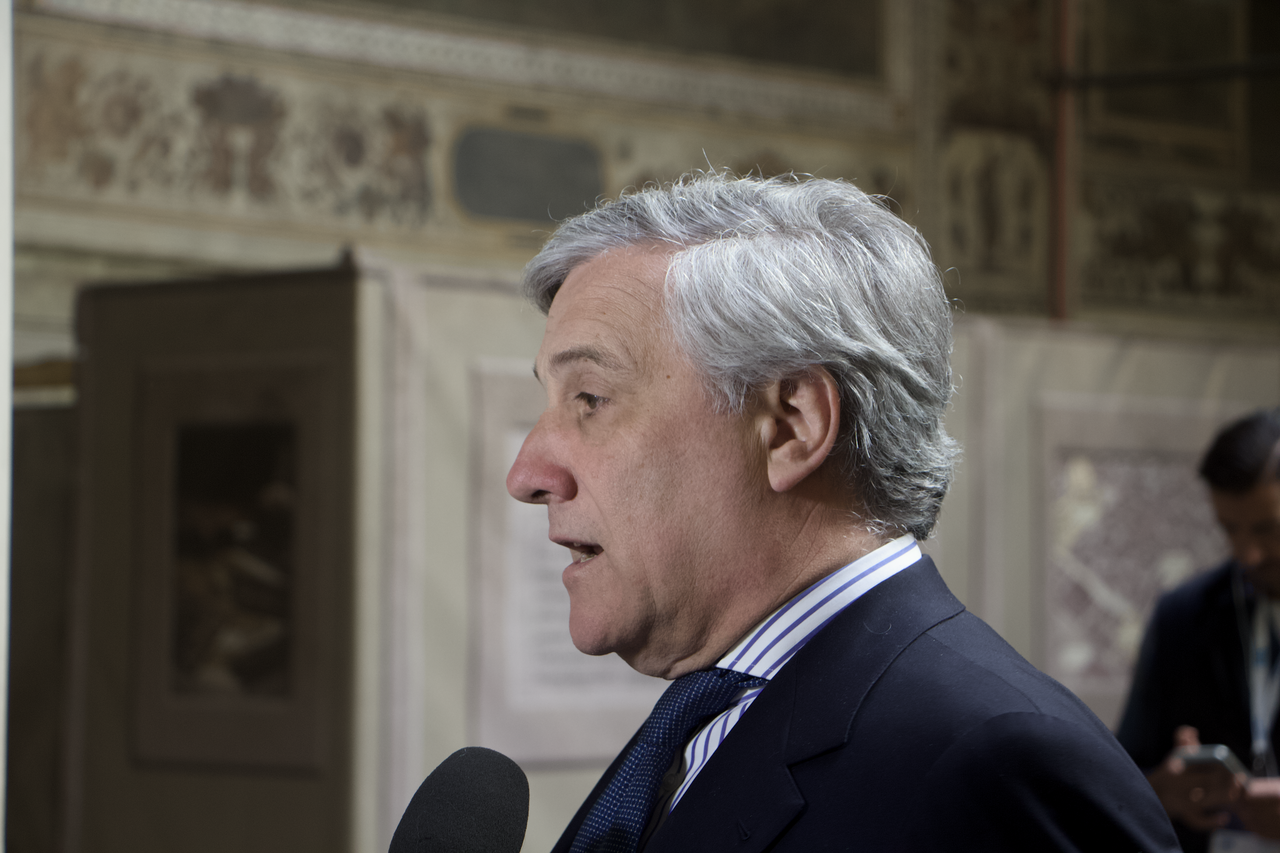
Nicaragua has officially severed diplomatic relations with Italy after a renewed dispute over the extradition of former Red Brigades militant Alessio Casimirri, intensifying a decades-long conflict tied to one of Italy’s most notorious political crimes.
The Nicaraguan Foreign Ministry announced on Thursday that it was ending relations with Rome following comments by Italian Foreign Minister Antonio Tajani, who criticized Managua for continuing to shelter Casimirri, an Italian-born former member of the far-left Red Brigades.
Italy quickly reaffirmed its position after the diplomatic break. Responding to Nicaragua’s decision, the Italian Foreign Ministry reiterated Tajani’s demand that Casimirri be extradited, insisting that protecting a convicted militant is unacceptable.
"We tell Nicaragua that granting immunity to a criminal is unacceptable," Tajani said on Wednesday, underscoring Italy’s longstanding effort to bring Casimirri back to face justice.
Casimirri was convicted in Italy for his role in the 1978 kidnapping and murder of former Italian Prime Minister Aldo Moro, a defining event during the country’s violent "Years of Lead." Moro, leader of the Christian Democratic Party and a former prime minister, was abducted by the Red Brigades in March 1978. The militant group sought the release of jailed members in exchange for his freedom, but Moro was found dead in the trunk of a car roughly two months later.
After fleeing Italy in 1983, Casimirri settled in Nicaragua while the leftist Sandinista government was in power. He obtained Nicaraguan citizenship in 1989, married a Nicaraguan citizen, and later operated an Italian restaurant in the capital, Managua.
Although Casimirri has acknowledged his membership in the Red Brigades during the turbulent period of political violence in Italy, he has consistently denied taking part in the attack that led to Moro’s death.
Italy has pursued Casimirri’s extradition for decades without success. Nicaragua briefly revoked his citizenship in 1993, but the country’s Supreme Court restored it in 1999, ruling that nationality could only be withdrawn through judicial proceedings. Nicaragua’s constitution prohibits the extradition of its citizens, and no bilateral extradition treaty exists between the two nations, leaving the longstanding legal and diplomatic dispute unresolved.







