


 Fed Governor Lisa Cook Warns Inflation Risks Remain as Rates Stay Steady
  Bank of Canada Holds Interest Rate at 2.25% Amid Trade and Global Uncertainty
  Trump Endorses Japan’s Sanae Takaichi Ahead of Crucial Election Amid Market and China Tensions
  Gold and Silver Prices Rebound After Volatile Week Triggered by Fed Nomination
  Thailand Inflation Remains Negative for 10th Straight Month in January
  Trump Lifts 25% Tariff on Indian Goods in Strategic U.S.–India Trade and Energy Deal
  RBA Raises Interest Rates by 25 Basis Points as Inflation Pressures Persist
  Bank of Japan Signals Readiness for Near-Term Rate Hike as Inflation Nears Target
  Silver Prices Plunge in Asian Trade as Dollar Strength Triggers Fresh Precious Metals Sell-Off
  Fed Confirms Rate Meeting Schedule Despite Severe Winter Storm in Washington D.C.


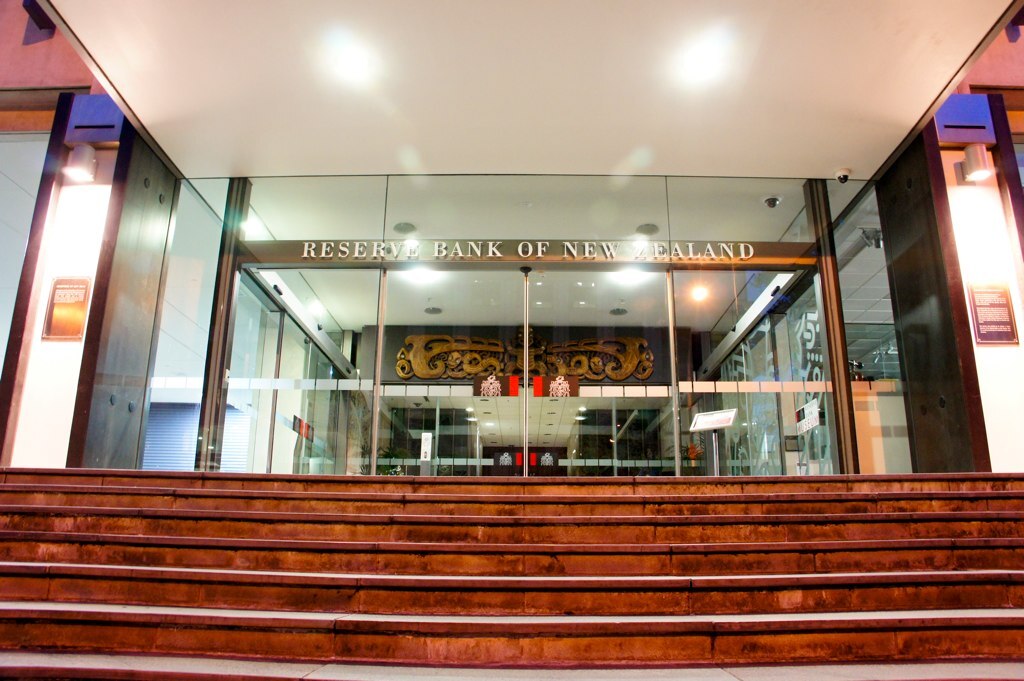
The Reserve Bank of New Zealand (RBNZ) announced it will review its bank capital requirements in 2025 following criticism that its stringent policies are stifling competition and economic growth. Acting Governor Christian Hawkesby told a parliamentary committee that while some concerns are unfounded, many can be tested with data.
Critics, including politicians and participants in a parliamentary inquiry, argue that the high capital requirements have increased borrowing costs and reduced available capital in the economy. Currently, large banks in New Zealand must maintain a minimum capital ratio of 13.5%, while smaller banks are required to hold 11.5%. These requirements were introduced in 2019 and will not be fully implemented until 2028.
Finance Minister Nicola Willis welcomed the RBNZ’s decision, stating that the review could determine whether the current capital strategy aligns with international standards. She noted that other countries, including the U.S. Federal Reserve, have recently eased capital rules, and New Zealand may be becoming an outlier.
Willis emphasized the need for a balanced approach that maintains financial stability while promoting investment, job creation, and income growth. New Zealand’s economy recently exited a recession in Q4 2024 but remains fragile, with rising unemployment expected in the first half of 2025.
RBNZ Chair Neil Quigley stressed that any regulatory changes must be based on thorough analysis and not made arbitrarily. He also confirmed the central bank is seeking a new governor following Adrian Orr’s unexpected departure and expects the appointment process to take up to nine months.
The review comes at a critical time as New Zealand weighs financial stability against the need for economic stimulus and competitive banking practices.













