


 US Dollar Hits Two-Month High as Fed Rate Hike Bets Rise
  U.S. 10-Year Treasury Yield Hits 2007 High as Fed Rate Hike Bets Rise
  Asian Currencies Mixed as Dollar Holds Near Two-Month High
  Wall Street Ends Flat as Oil, Treasury Yields and Fed Jitters Rattle Markets
  Gold Prices Fall as Treasury Yields Rise on Fed Rate Hike Bets
  Oil Prices Jump 3% as Houthi Attack Revives Supply Fears
  U.S. Dollar Hits Two-Month High as Oil, Treasury Yields Surge
  Mexico-US Trade Talks Delayed to October as Tariff Negotiations Continue
  U.S. Treasury Yields Surge as 30-Year Hits 22-Year High
  US, China Extend Trade Truce to Jan. 10 Ahead of Trump-Xi Summit
  RBI Uses $10 Billion Currency Swaps to Drain Excess Rupee Liquidity
  Oil Prices Ease as Iran Tensions Clash With Diplomacy Hopes
  Oil Prices Surge as U.S.-Iran Diplomacy Hopes Fade
  South Korea, US Discuss Warship Building Cooperation
  Russian Envoy Dmitriev Heads to US for Ukraine Talks
  Fed Unveils Stablecoin Rules Under GENIUS Act


 Add as a preferred source on Google
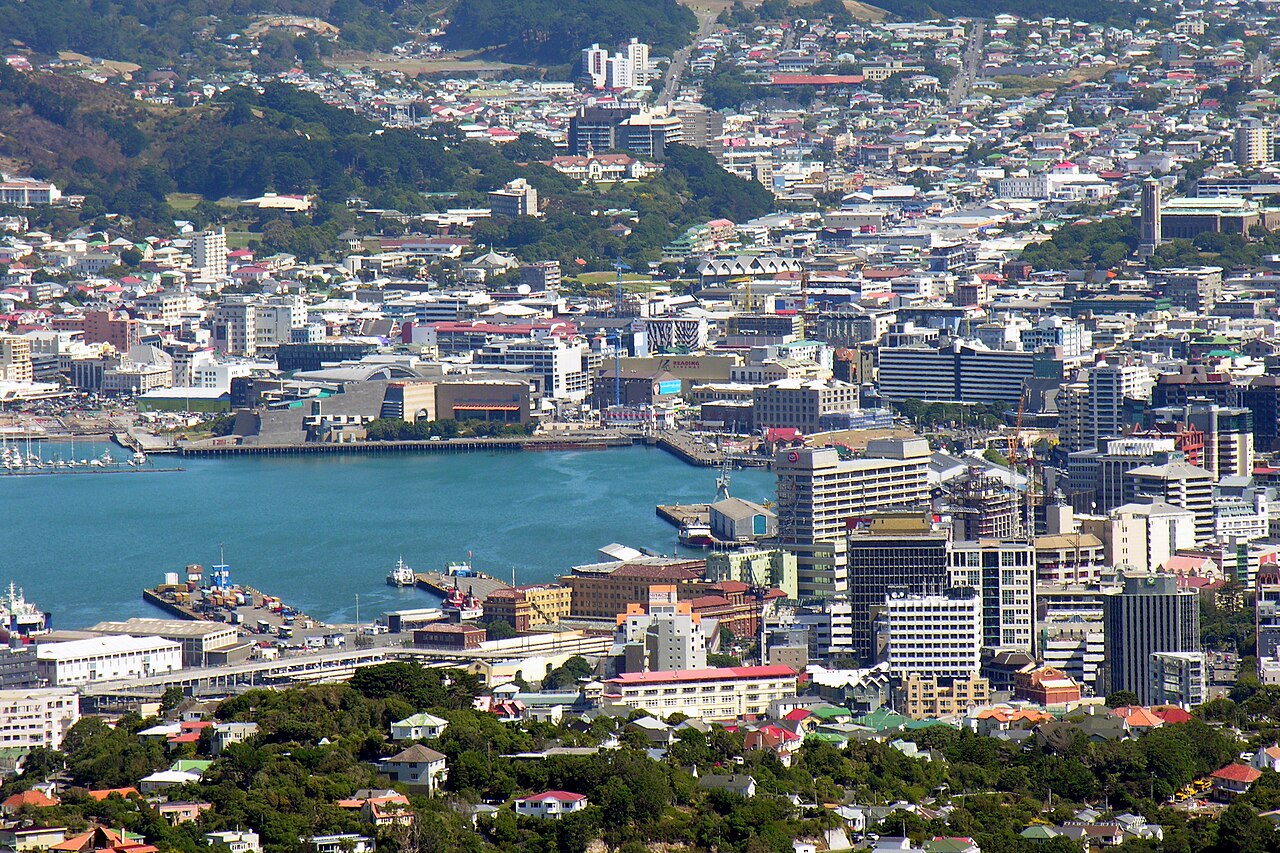
New Zealand’s manufacturing sector returned to contraction in May, highlighting ongoing challenges facing the country’s industrial economy amid weak customer demand and global economic uncertainty.
According to the latest Bank of New Zealand (BNZ)-BusinessNZ Performance of Manufacturing Index (PMI), the seasonally adjusted index fell to 49.9 in May, down from 50.4 in April and 52.8 in March. The decline pushed the index below the key 50-point threshold, indicating that manufacturing activity contracted slightly after experiencing seven consecutive months of growth.
The latest PMI reading suggests that New Zealand manufacturers are continuing to face difficult operating conditions despite earlier signs of recovery. A PMI score above 50 signals expansion in manufacturing activity, while a reading below 50 reflects contraction across the sector.
Industry leaders pointed to several factors contributing to the slowdown. BusinessNZ Director of Advocacy Catherine Beard said manufacturers are dealing with a combination of economic pressures that are affecting production and business confidence. Among the key concerns are weak consumer demand, elevated fuel costs, and geopolitical tensions stemming from the ongoing conflict in the Middle East.
The manufacturing sector plays a critical role in New Zealand’s economy, making the latest downturn a closely watched indicator for businesses, investors, and policymakers. The decline in activity comes as companies continue to navigate a challenging global environment marked by inflationary pressures, supply chain concerns, and uncertain international market conditions.
While the contraction in May was relatively modest, the PMI data underscores the fragile nature of the recovery within New Zealand manufacturing. Businesses remain cautious about future growth prospects as they monitor domestic demand trends and developments in the global economy.
Economists and industry observers will be watching upcoming PMI reports closely to determine whether the May decline represents a temporary setback or the beginning of a more prolonged slowdown in New Zealand’s manufacturing sector.







