


 Fed Confirms Rate Meeting Schedule Despite Severe Winter Storm in Washington D.C.
  Dow Hits 50,000 as U.S. Stocks Stage Strong Rebound Amid AI Volatility
  U.S. Stock Futures Edge Higher as Tech Rout Deepens on AI Concerns and Earnings
  Gold and Silver Prices Rebound After Volatile Week Triggered by Fed Nomination
  Silver Prices Plunge in Asian Trade as Dollar Strength Triggers Fresh Precious Metals Sell-Off
  Oil Prices Slide on US-Iran Talks, Dollar Strength and Profit-Taking Pressure
  Singapore Budget 2026 Set for Fiscal Prudence as Growth Remains Resilient
  U.S. Stock Futures Slide as Tech Rout Deepens on Amazon Capex Shock
  Japanese Pharmaceutical Stocks Slide as TrumpRx.gov Launch Sparks Market Concerns
  Bank of Japan Signals Readiness for Near-Term Rate Hike as Inflation Nears Target
  RBA Expected to Raise Interest Rates by 25 Basis Points in February, ANZ Forecast Says
  U.S.-India Trade Framework Signals Major Shift in Tariffs, Energy, and Supply Chains
  BOJ Rate Decision in Focus as Yen Weakness and Inflation Shape Market Outlook
  Dollar Steadies Ahead of ECB and BoE Decisions as Markets Turn Risk-Off


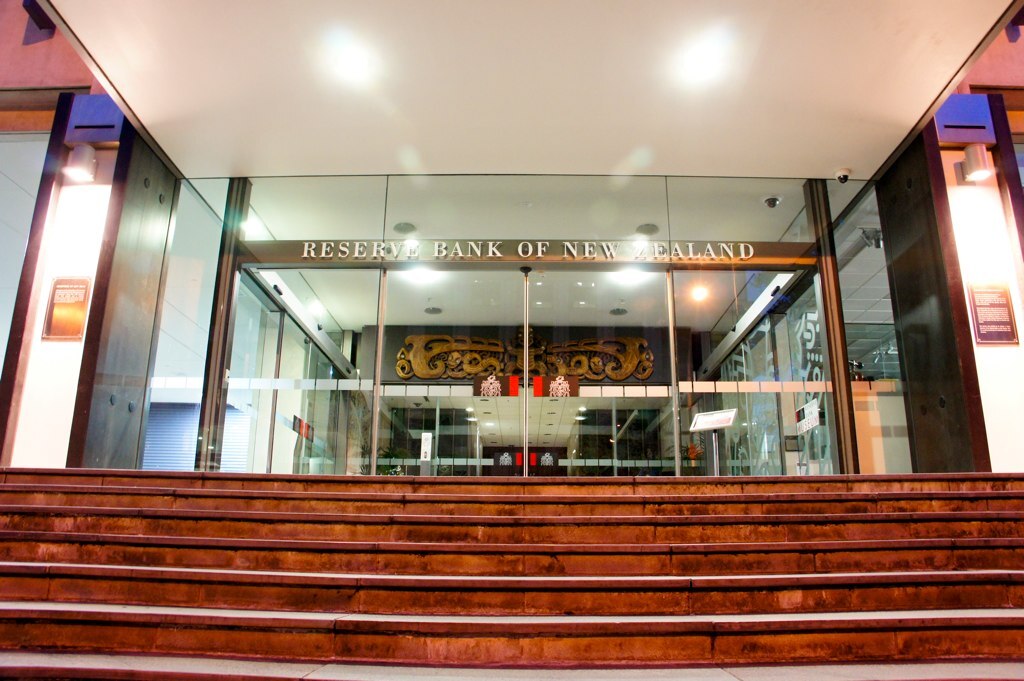
New Zealand’s government will reduce the Reserve Bank of New Zealand’s (RBNZ) annual operating budget by around 25% in the upcoming fiscal year, capping it at NZ$150 million (US$88.5 million) annually over the next five years. Finance Minister Nicola Willis confirmed the decision Wednesday, aligning with the conservative government's push for public sector austerity and a return to fiscal surplus.
The newly signed five-year funding agreement grants the RBNZ a total of NZ$750 million (US$443 million) in operating expenditure through June 30, 2030. This marks a decrease from the current fiscal year's NZ$200 million budget, though it remains slightly higher than the NZ$718.8 million allocated in the previous five-year term. Despite the increase, annual RBNZ spending surged nearly 70% from 2020 to 2024, prompting a Treasury review.
The central bank had initially requested NZ$1.03 billion for the upcoming five-year period, but Treasury deemed the proposal “not good value for money.” In addition, capital expenditure will be cut to NZ$25.6 million, down from NZ$29 million for the prior five-year term.
Willis stated the revised funding would ensure the RBNZ can meet its statutory responsibilities while driving greater cost efficiency. Both the RBNZ board and Treasury agreed the budget is adequate. The central bank has grown rapidly since 2018, with staff numbers nearly doubling to 660, largely due to expanded regulatory duties and economic reform implementation.
RBNZ Chair Neil Quigley said the bank will work with staff in the coming months to restructure operations and maintain performance under the reduced budget. The funding decision is part of broader cuts across New Zealand’s public sector introduced since the conservative government took office in late 2023.













