


 Wall Street Edges Higher as Treasury Yields Retreat
  Asian Stocks Rise as Bond Yields Ease Ahead of U.S. Inflation Data
  Evan Gershkovich Says FSB Set Trap for 2023 Russia Arrest
  Oil Prices Steady as Middle East Crude Flows Recover
  Judge Blocks Trump Election Conditions on Counterterrorism Grants
  Fed’s Williams Signals One More Rate Hike Before Year-End
  California Leads Lawsuit Over Trump’s $810 Million Funding Cuts
  CNN, MS NOW and Politico Sue Trump Over White House Media Ban
  DaVoice Sues Perplexity AI Over Trade Secrets
  CNN, Politico and MS NOW Seek Court Order Blocking Trump White House Ban
  Japan Factory Output Unexpectedly Falls 1.7% in August
  Second DOJ Lawyer Exits Trump Probe
  Venezuela Nears Deal to Move $4 Billion in Gold to New York Fed
  Gold Prices Slip as High Treasury Yields Weigh on Bullion
  Paramount Skydance Faces $30 Million Film Penalty in Warner Bros. Deal
  California AG Subpoenas OpenAI Over AI Cybersecurity Incidents


 Add as a preferred source on Google
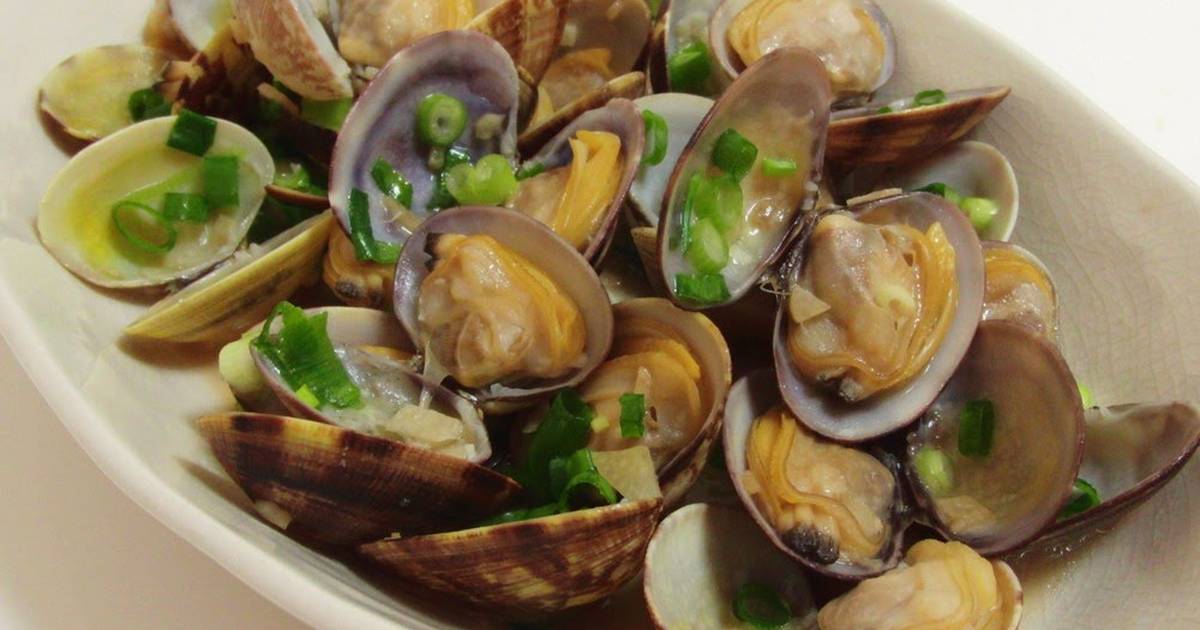
The clam harvest figure in Kumamoto Prefecture didn’t add up to a ministry's survey, raising suspicions that clams from South Korean and Chinese waters were being passed off as locally caught.
Kumamoto Prefecture is renowned for producing some of Japan’s plumpest and tastiest “asari.”
Consequently, shipments of local “tennen-iki asari” clams harvested in local waters will be suspended for about two months, effective Feb. 8 while an investigation by the central government into false labeling is being sought.
During the suspension period, prefectural authorities will ask retailers to check the origin of clams sold as “produced in Kumamoto.”
Kumamoto Governor Ikuo Kabashima emphasized that there will be no future for the Kumamoto brand unless falsification issues are rooted out immediately.
He added that the Kumamoto federation of fisheries cooperative associations will cooperate in the prefectural government’s efforts.
A Ministry of Agriculture, Forestry and Fisheries survey on sales of fresh clams at supermarkets nationwide released Feb. 1 revealed that the volume of clams on offer as “produced in Kumamoto” far exceeded the annual haul in Kumamoto Prefecture.
From October to December last year, the ministry targeted around 1,000 supermarkets that operate in multiple prefectures, including Tokyo, for investigation on suspicions of false labeling of fresh clams.
Based on the findings, 3,111 tons, or 99.1 percent, of 3,138 tons of clams sold during the period were sold as “domestically produced,” with 2,485 tons, or 79.2 percent, being labeled as coming from Kumamoto Prefecture.
But the annual tonnage of clams in 2020 harvested in Japan as a whole came to 4,400 tons, of which clams produced in Kumamoto Prefecture came to a mere 21 tons.
About 35,000 tons of clams were imported from China and South Korea that year.
The findings prompted the ministry to purchase 31 packages of clams labeled as produced in Kumamoto Prefecture for DNA testing.
It discovered that all but one of the packages contained clams originating from China or South Korea.
The ministry also vowed to investigate distribution routes through on-site inspections of wholesalers to determine if laws were broken.
The ministry notified supply chain organizations such as supermarkets and fishery wholesale companies to thoroughly check the origin of their purchases.







