


 MediaTek Unveils 2nm Dimensity 9600 Pro AI Chip
  Rosenblatt Starts Nokia at Buy on AI Networking Growth
  Ex-Google DeepMind Researcher Warns AI Could Pose Existential Threat
  China’s Global Times Slams Anthropic CEO’s AI Slowdown Plan as ‘Cold War’ Strategy
  SoftBank Shares Plunge 11% After OpenAI Rules Out 2026 IPO
  Boeing, SPEEA Reach Tentative Four-Year Labor Deal
  Hyundai Delays In-House ADAS, Turns to Nvidia
  Samsung Heavy Wins $1.22 Billion LNG Carrier and Tanker Deal
  American Airlines Eyes Capacity Cuts as High Fuel Prices Persist
  Syngenta Files for Hong Kong IPO, Eyes $5 Billion Raise
  SK Hynix, Intel Discuss U.S. Memory Chip Production Deal
  Meta CEO Zuckerberg Backs Independent AI Safety Reviews Over Development Slowdown
  Samsung, SK Hynix Reject KEPCO’s $18.7 Billion Power Funding Plan
  OpenAI Rules Out 2026 IPO as Altman Prioritizes AI Safety
  Nvidia Eyes $10 Billion Investment in Anthropic IPO
  Ares Names James Garforth Principal for Asia Direct Lending
  BHP Port Hedland Wage Dispute Heads to Arbitration


 Add as a preferred source on Google
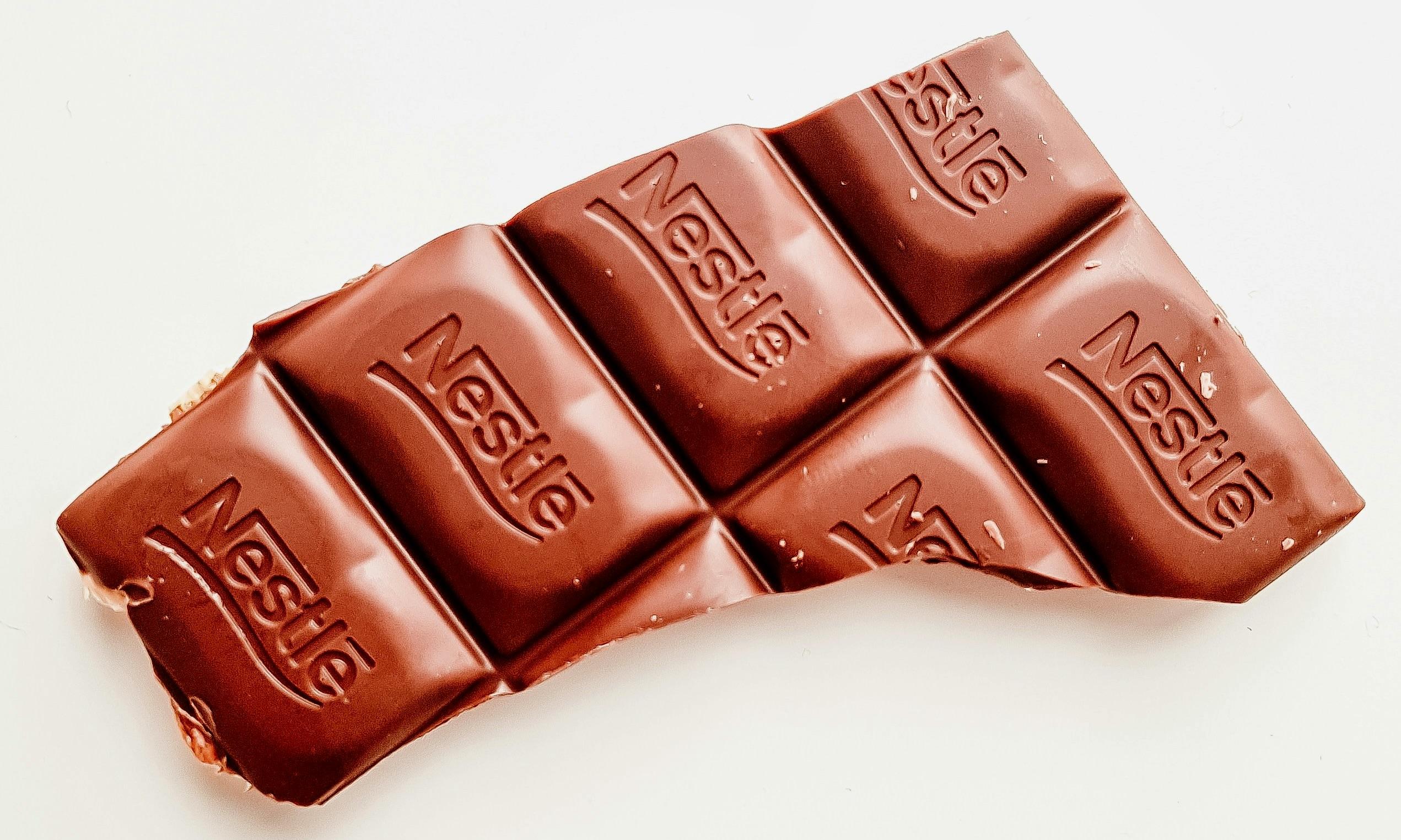
Nestle reported full-year organic sales growth slightly below expectations on Thursday as it continued to hike prices, prompting some shoppers to turn to competing brands. The Swiss firm also expects organic sales growth of around 4% in 2024 and a "moderate increase" of its underlying trading operating profit (UTOP) margin.
The 2023 UTOP margin, according to Nasdaq, was 17.3%, up by 40 basis points in constant currency.
Sales and Profit Insights
Organic sales, which exclude the impact of currency movements and acquisitions, rose 7.2% in the year ended Dec. 31, the world's biggest packaged food company said. Analysts had, on average, expected organic sales growth of 7.4%. However, Nestle's net profit rose sharply by about 20% to 11.2 billion Swiss francs ($12.76 billion).
Industry Challenges and Outlook
For over two years, the packaged goods industry has hit shoppers with higher prices, citing higher input costs that started with the COVID-19 pandemic and were exacerbated by Russia's invasion of Ukraine. Everything from sunflower oil to freight has become more expensive, taking a toll on global supply chains.
In recent quarters, executives have flagged that costs will rise slower but warned shoppers would continue to pay more because companies still haven't recouped years of damage from higher expenses.
"Unprecedented inflation over the last two years has increased pressure on many consumers and impacted demand for food and beverage products," CEO Mark Schneider said. Full-year sales fell by 1.5% to about 93 billion Swiss Francs, missing estimates of 93.68 billion Swiss francs. Nestle's full-year 7.5% price increases met the average analyst estimate.
Concerns and Recommendations
Real internal growth - or sales volumes - for the period fell 0.3% versus expectations of a 0.1% decline. Sales volumes in the fourth quarter turned positive, rising 0.4%. Rival packaged food company Unilever, which slowed price hikes notably in the fourth quarter, also reported a return to higher volumes for that period.
Reuters reported that investors and analysts have raised concerns that companies are pushing price rises too far and recommended focusing more on marketing and innovation amid a cost of living crisis that is seeing retailers' private label brands stealing market share.
Photo: inma santiago/Unsplash







