


 Morgan Stanley Launches Digital Asset Lab for Stablecoins and Tokenization
  DeepSeek, Huawei Partner on Ascend AI Chip Programming Tools
  Robinhood Launches AI Agents for Automated Trading
  BlackRock Sees AI Agents Fueling New Crypto Demand
  QNT Whales Move $10M to Exchanges After 400% Rally
  OpenAI Seeks $30 Billion at $1.4 Trillion Valuation
  Apple iPhone 18 Pro Sales Jump 12% in China
  CSL Partners With AWS to Bring AI Into Drug Research
  Cboe Extends SPX Options Deal, Eyes Tokenized Contracts
  HUTCHMED, AstraZeneca Seek FDA Approval for Lung Cancer Combo
  Apple CEO John Ternus Plans Major Overhaul
  Grayscale Sees Zcash Gaining Market Share Against Bitcoin
  CNN, Politico and MS NOW Seek Court Order Blocking Trump White House Ban
  Pepco Raises FY26 Earnings Outlook, Unveils €400 Million Buyback
  Aztec Revives zk.money for Private Ethereum Payments
  Boeing Wins $20 Billion Navy F/A-XX Stealth Fighter Contract
  Robinhood Chain Meme Coins Slide as Stock Token Locks Rise


 Add as a preferred source on Google
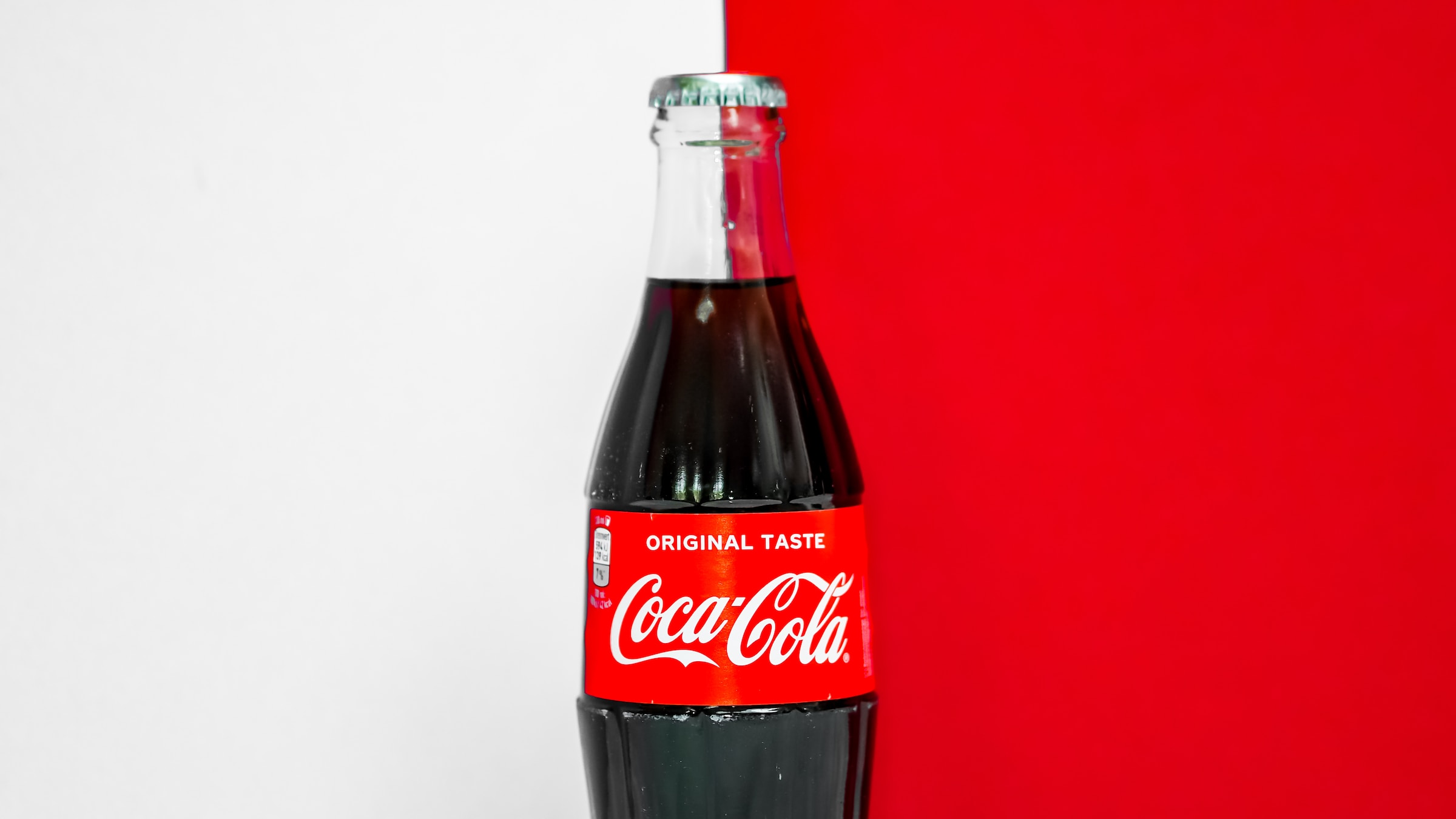
Turkish politicians have decided to exclude Western brands from the parliament buildings. This means that Coca-Cola will no longer quench the thirst of Turkish politicians, and Swiss-made Nestlé snacks will no longer find their way into their chambers.
According to a statement from Turkey's Grand National Assembly, the products of companies supporting Israel will no longer be sold in restaurants, cafeterias, and tea houses throughout the parliament campus, reports Telegraph.
Residents of Istanbul, known for their pro-Palestinian stance, have taken to the streets with stickers adorning lamp posts and bus stops. These stickers boldly allege that "Starbucks stands with Israel."
This action is believed to have been sparked by legal proceedings initiated by Starbucks against its workers' union for sharing a pro-Palestinian statement on social media.
Brands such as Coca-Cola, McDonald's, Starbucks, Puma, Carrefour. and Domino's Pizza are facing boycotts across the Middle East as consumers protest against Western governments' support for Israel in the ongoing conflict in Gaza. Joining the list are Germany's.
Amidst this enthusiasm, local alternatives are gaining popularity among the masses, pushing well-known brands to the forefront of these boycott campaigns. Last month, McDonald's faced backlash when its Israeli franchise operator disclosed that it had donated thousands of free meals to Israeli soldiers, as per Al-Jazeera.
Boost for Regional Brands
Certain regional brands have emerged as clear winners amid the movement to boycott US brands. One such success story is Egyptian soda maker Spiro Spathis, established in 1920. Although its popularity had waned over the years, struggling to compete with foreign counterparts, the boycotts have given its sales a remarkable boost of 300%, as reported by Egyptian media.
These boycotts have shed light on the changing preferences of Middle Eastern consumers, who are now seeking to align themselves with brands that demonstrate solidarity with Palestine. With a shift away from US and European brands, there is a notable surge in support for local and regional alternatives, marking a significant shift in the market dynamics.
Photo: Laura Chouette/Unsplash







