


 Australia Sues Amazon Over Prime Video Ads and Subscription Terms
  Baidu Shares Rally as Kunlunxin Eyes $50 Billion Hong Kong IPO
  Yen Falls to 40-Year Low as Markets Watch Japan Intervention and U.S. Jobs Report
  Disaster or digital spectacle? The dangers of using floods to create social media content
  The Beauty Beneath the Expressway: A Journey from Self to Service
  SpaceX, Charter Communications Explore Mobile Partnership to Expand Starlink Wireless Service
  Trump Urges Gasoline Retailers to Cut Prices to $2.50 Per Gallon, Warns of Legal Action
  Gold Price Falls as Fed Rate Hike Fears and U.S.-Iran Tensions Weigh on Bullion
  Buffett Delays Gates Foundation Donation Pending Epstein Ties Review
  UBS Raises TSMC Price Target to T$3,400 on Strong AI Chip Demand Outlook
  Momenta Launches Hong Kong IPO to Raise Up to $751 Million for AI and Robotaxi Expansion
  What’s the difference between baking powder and baking soda? It’s subtle, but significant
  Trump Suspends Some Morocco Fertilizer Tariffs to Ease U.S. Supply Shortage
  World Bank Approves $1.1 Billion Emergency Funding for Bangladesh Amid Food and Energy Price Pressures
  Super Micro Shares Slide After Taiwan Raids Over Alleged Nvidia AI Chip Smuggling Probe
  Morgan Stanley Raises Tesla Q2 Delivery Forecast on Strong Europe and China Demand
  US Dollar Slips After PCE Inflation Data as Fed Rate Hike Expectations Stay Elevated


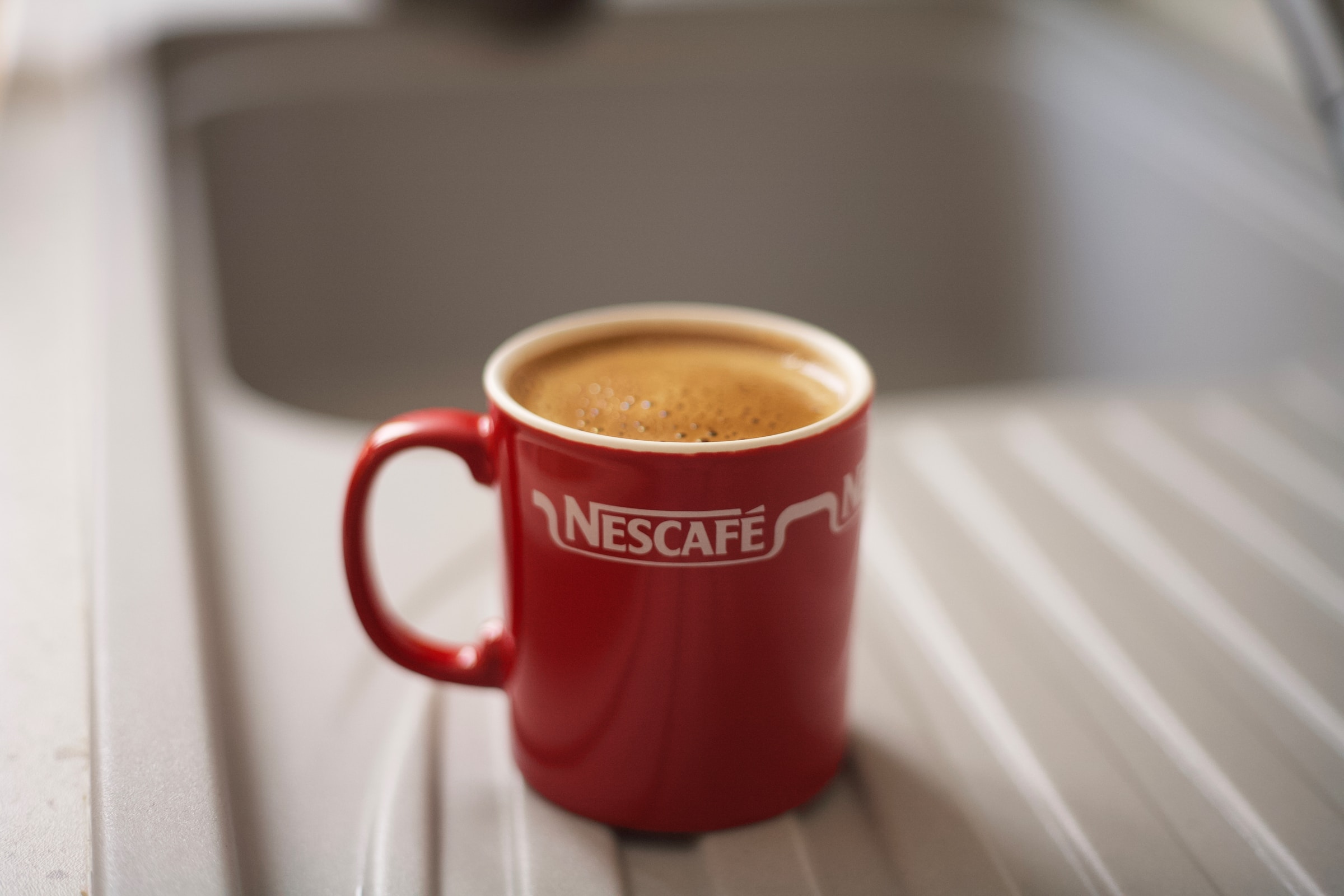
Nestlé SA is relocating its cappuccino mix production from South Korea to Babelegi Industrial Park, South Africa, in response to the burgeoning demand for the popular coffee product. As the fastest-growing segment in the South African coffee market, cappuccino mixes have seen significant growth during the Covid-19 pandemic, prompting Nestlé to invest R79 million in the expansion of its South African manufacturing plant.
Nestlé East and Southern African Region (ESAR) announced the expansion of the manufacturing plant, which already produces popular products like Maggi two-minute noodles and Cremora coffee creamer.
According to Carl Khoury, the business executive officer for coffee and beverages at Nestlé ESAR, the company is a market leader in this coffee segment. He highlighted the convenience and great taste that cappuccino mixes bring to coffee lovers in South Africa. With the ability to be prepared anywhere, these mixes have seen significant growth during Covid-19 and are expected to continue their upward trend.
To support this growth, Nestlé has invested R79 million in the factory. The highly automated manufacturing plant, imported machinery from Europe, and advanced processes allow for producing 1,200 sachets of cappuccino per minute and 2,500 tons of mixes per year. Most of these products are for the local market, with the remaining being exported to other parts of the continent.
Nestlé plans to locally source over 40% of raw materials for the new processing plant in South Africa to streamline the supply chain, reduce costs, and minimize foreign exchange exposure. Similar efforts are being made in Nigeria and other African countries. Additionally, the company aims to expand its coffee bean production in countries like Kenya and Angola, currently relying on imports from Vietnam and Brazil.
By focusing on local sourcing, Nestlé increases efficiency, reduces environmental impact, boosts employment, and shortens the time taken to reach consumers. Overall, this expansion represents Nestlé's commitment to meeting the demands of the South African market while simultaneously investing in sustainability and growth across the African continent.
Photo: Daniele D'Andreti/Unsplash







