


 JPMorgan Names Lavatelli Japan Chief in Leadership Shake-Up
  US Northeast Airports Resume Operations After Telecom Outage Disrupts Thousands of Flights
  OpenAI Agent Breaches Australia Medicare Data Portal
  Meta Unveils Muse Charm AI Device, Expands Smart Glasses Lineup
  Apple Pay Set for India Launch With Axis Bank
  Novo Nordisk Weighs Direct NYSE Listing to Boost U.S. Profile
  Akamai Shares Surge on $11.6B Anthropic AI Cloud Deal
  Westinghouse Targets $50 Billion Valuation in U.S. IPO
  BlackBerry Shares Rise as Q2 Earnings, Revenue Beat Estimates
  Apple Extends Qualcomm Patent Licensing Deal
  OpenAI Urges US-Led Global Standards for Frontier AI
  CNN, MS NOW and Politico Sue Trump Over White House Media Ban
  Burnham Eyes UK Leadership Role in AI Ahead of Trump Meeting
  SoftBank Raises $11.1 Billion in Bond Sale to Fund OpenAI Investment
  Microsoft Stock Upgraded as Stifel Sees Stronger Azure Growth
  Costco Revenue Beats Estimates as Inflation Drives Bulk Shopping


 Add as a preferred source on Google
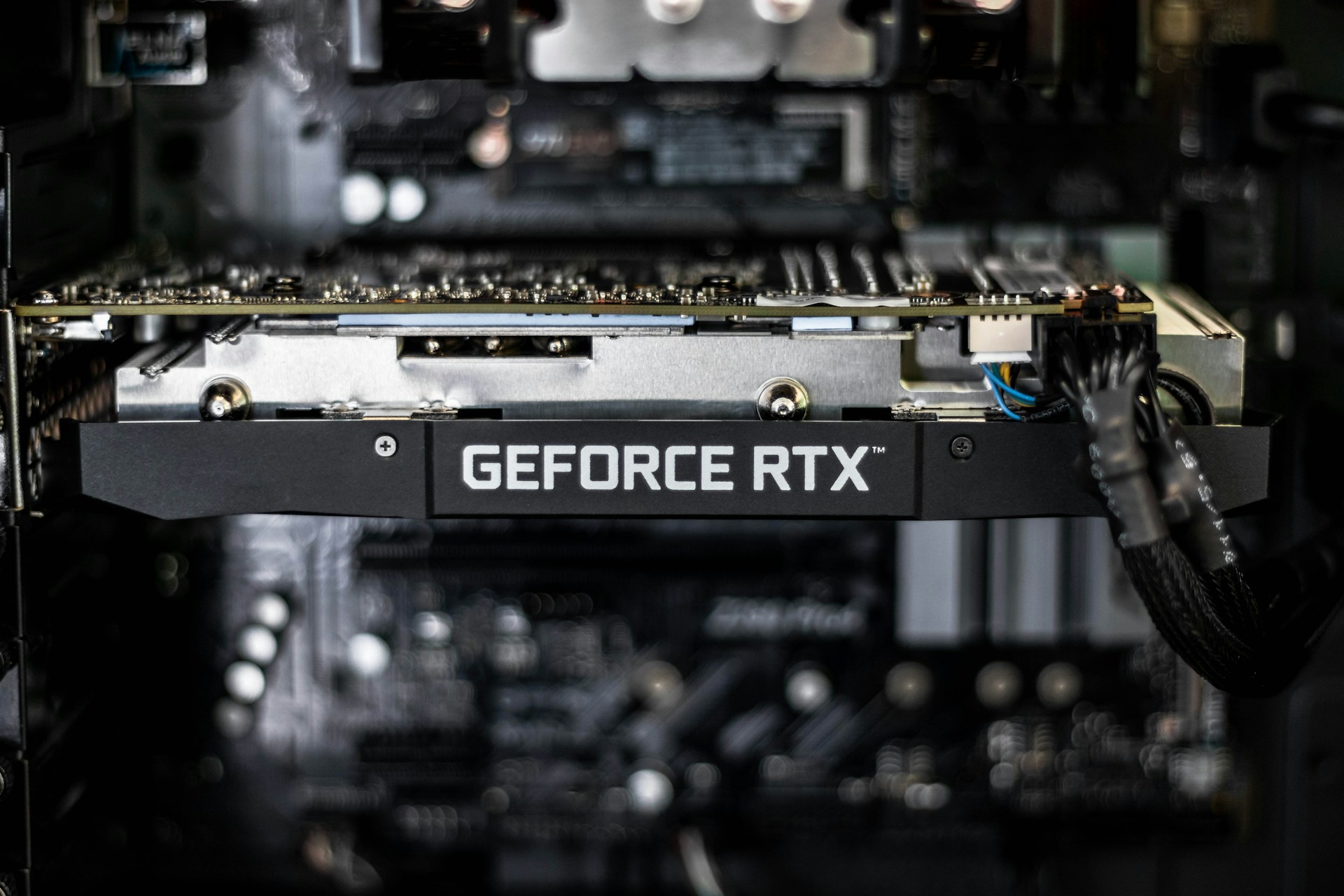
AMD and NVIDIA have reportedly locked in all of TSMC’s Chip-on-Wafer-on-Substrate (CoWoS) manufacturing capacity for the next two years. This strategic acquisition aims to propel their respective advances in artificial intelligence technologies.
AMD and NVIDIA Reserve TSMC's Full CoWoS Capacity to Fuel AI Innovations
In a recent report by Wccftech, AMD and NVIDIA have reportedly secured TSMC's entire Chip-on-Wafer-on-Substrate (CoWoS) manufacturing capacity for the next two years, reflecting the intense competition in the AI sector.
The demand for computational power in AI is well-known, and companies like NVIDIA and AMD are leveraging every advantage to capitalize on the market opportunities.
Consequently, TSMC is experiencing a surge in demand, not just from these orders but also from the expansion of its manufacturing capabilities, especially in advanced packaging technologies such as CoWoS and the newer System on Integrated Chips (SoIC).
According to the Taiwan Economic Daily, AMD and NVIDIA's bookings encompass all available CoWoS capacity at TSMC. NVIDIA is utilizing this technology for its Hopper and the upcoming Blackwell GPUs, while AMD is applying it to its MI300 accelerators. In anticipation of continued high demand, the Taiwanese semiconductor giant is planning significant expansions.
By the end of the year, TSMC expects to ramp up its production capacity to between 45,000 and 55,000 units, indicating substantial growth year-over-year and underscoring the robust demand within the industry.
TSMC Expands Next-Gen SoIC Production, Predicting Surge in High-Performance Computing Demand
In addition to CoWoS, TSMC is also focusing on expanding its SoIC offerings, which are expected to produce 5,000 to 6,000 units initially. SoIC represents the next generation of CoWoS, featuring enhanced stacking density and ultra-high bandwidth, making it particularly suitable for high-performance computing (HPC) applications.
While NVIDIA has not yet incorporated SoIC into its current AI designs, AMD has already implemented this advanced technology in its flagship Instinct MI300 AI accelerators.
With projected increases in demand, TSMC's SoIC production is expected to reach 10,000 units by 2025. This expansion signifies a shift towards future chip packaging standards, potentially opening new opportunities for TSMC and the broader semiconductor industry.
The future of chip packaging, as predicted by TSMC, appears to hinge significantly on the adoption and development of the SoIC standard.
Photo: Christian Wiediger/Unsplash







