


 Asian Stocks Fall as Surging Bond Yields Rattle Markets
  Judge Orders Trump to Restore White House Access for CNN, MS NOW and Politico
  EU Defence Build-Up Too Slow for 2030 Russia Readiness Goal
  U.S. 10-Year Treasury Yield Hits 2007 High as Fed Rate Hike Bets Rise
  Trump, Xi Focus on Trade and AI at White House Summit
  U.S. Treasury Yields Surge as 30-Year Hits 22-Year High
  South Korea, US Discuss Warship Building Cooperation
  Saudi Arabia, Turkey and Pakistan Plan Urgent Defence Talks Over Houthi Attacks
  China’s ‘Lipstick King’ Says AI Won’t Replace Livestream Hosts
  Dollar Holds Near Two-Month High as Yen Approaches 160
  Trump Asks Supreme Court to Restore Third-Country Deportations
  Netanyahu Defends Israel at UN as Delegates Stage Walkout
  Ghana Says Western Support Growing for Slave Trade Reparations
  Japanese Bank Stocks Surge as Bond Yields Fuel Rate Hike Bets
  Oil Prices Surge as U.S.-Iran Diplomacy Hopes Fade
  Trump, Xi Visit US National Archives After White House Summit
  U.S. Dollar Hits Two-Month High as Oil, Treasury Yields Surge


 Add as a preferred source on Google
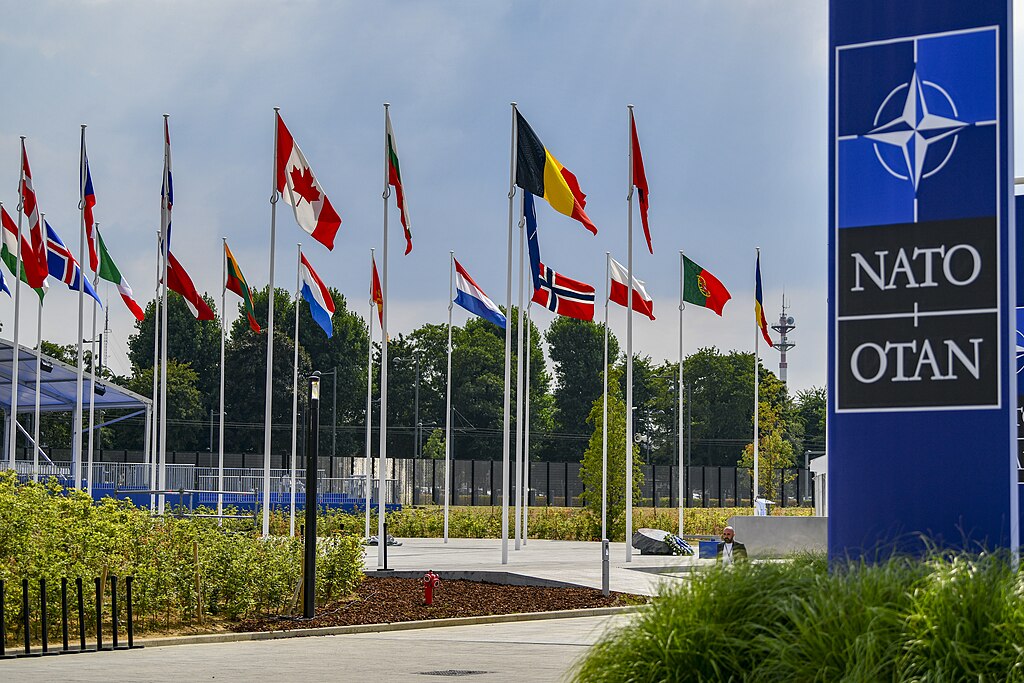
NATO defense ministers are meeting in Brussels to address U.S. President Donald Trump’s call for member states to raise defense spending to 5% of GDP, up from the current 2% target. The discussions come ahead of the NATO summit in The Hague on June 24–25, where the alliance is expected to unveil a new defense investment plan.
Trump’s demand for increased military funding is seen by many allies as a condition for maintaining U.S. support for European security. NATO Secretary-General Mark Rutte acknowledged the urgency, stating, “We have to go further and we have to go faster.”
In response, Rutte has proposed a compromise: 3.5% of GDP toward defense and an additional 1.5% for broader security spending, including areas like cybersecurity and infrastructure. However, this suggestion has sparked debate among members over feasibility and timelines.
Germany’s Defence Minister Boris Pistorius emphasized the need for a "realistic compromise" given national budget constraints and industrial capacity. Meanwhile, eastern European countries, including Lithuania, argue that the proposed 2032 deadline to reach 5% is too distant. Lithuania’s Defence Minister Dovile Sakaliene is pushing for a 2030 target instead.
Further complicating talks is disagreement over what qualifies as "defense-related" expenditure. NATO diplomats are working to define criteria that balance precision with flexibility for national differences.
U.S. ambassador to NATO, Matthew Whitaker, warned that time is running out to finalize the deal. The final investment framework is likely to remain under negotiation until just before the summit.
As the alliance navigates these challenges, the outcome will signal NATO’s ability to adapt to shifting political demands while preserving unity and credibility on global security.







