


 What ‘Taiwan Independence’ Means as Xi Presses Trump on US Policy
  Saudi Arabia, Turkey and Pakistan Plan Urgent Defence Talks Over Houthi Attacks
  Trump Asks Supreme Court to Restore Third-Country Deportations
  Netanyahu Defends Israel at UN as Delegates Stage Walkout
  Judge Orders Trump to Restore White House Access for CNN, MS NOW and Politico
  North Korea Rejects Nuclear Test Warning, Calls Nuclear Status Irreversible
  France Defends Netanyahu Airspace Clearance Despite ICC Warrant
  South Korea, US Discuss Warship Building Cooperation
  Yemen Violence Displaces 130,000 as Civilian Toll Rises
  Taiwan Thanks US for Support Ahead of Trump-Xi Summit
  Netanyahu Takes Aim at Mamdani as Israel Election Nears
  Kremlin Says No Decision Yet on Putin-Trump December Summit
  Pezeshkian Says US Must Choose When Iran War Ends
  EU Defence Build-Up Too Slow for 2030 Russia Readiness Goal
  Russian Missile and Drone Attack on Kyiv Kills Two, Damages Maternity Hospital
  Ukrainian Drone Attacks Hit Russian Regions, Injuring at Least 12
  NATO Boosts Intelligence Sharing Amid Russia Hybrid Threats


 Add as a preferred source on Google
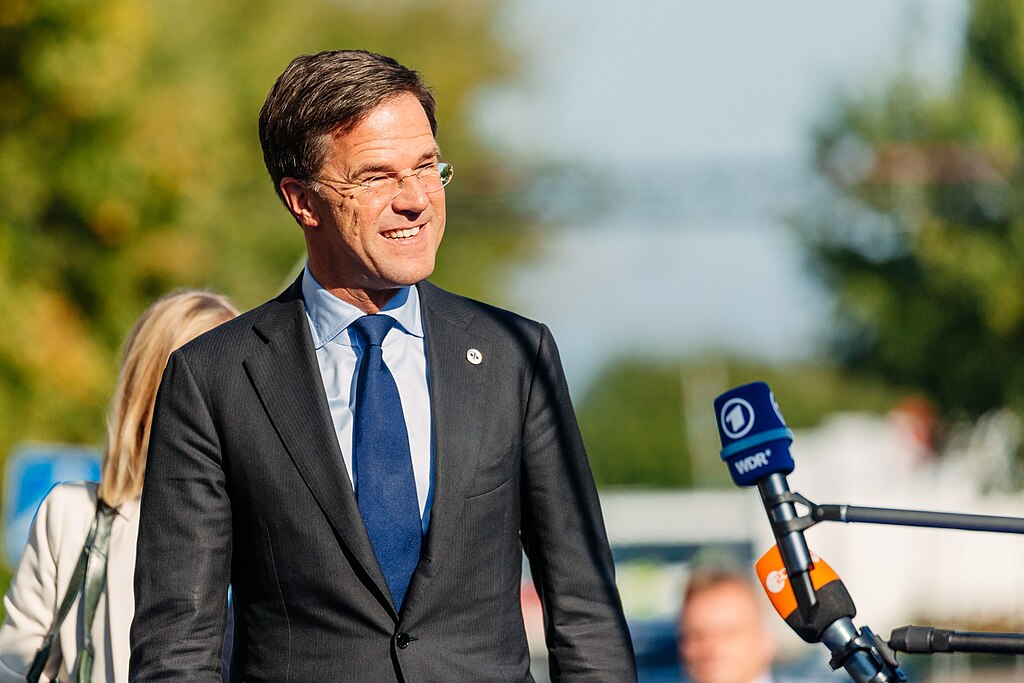
NATO member countries are actively discussing the next steps to strengthen collective security in the Arctic, underscoring the region’s growing strategic importance amid rising geopolitical tensions. NATO Secretary General Mark Rutte confirmed on Monday that allies are working to ensure the Arctic remains safe and stable, particularly as melting ice opens new sea lanes and attracts increased interest from global powers such as Russia and China.
Speaking at a press conference in Croatia, Rutte emphasized that all NATO allies agree on the critical importance of Arctic security. He noted that discussions have been ongoing since last year and are now entering a more practical phase, focusing on concrete actions and operational follow-ups. According to Rutte, the opening of Arctic sea routes increases the risk of heightened activity by Russia and China, making coordinated defense planning more urgent than ever.
The renewed focus on the Arctic also comes as U.S. President Donald Trump reiterated his controversial stance that the United States needs to own Greenland to prevent potential occupation by rival powers. Greenland, however, is an autonomous territory within the Kingdom of Denmark and hosts a U.S. airbase under existing international agreements. Danish and Greenlandic officials have firmly stated that the island is not for sale and that any security concerns should be addressed collaboratively within NATO.
European diplomats told Reuters that NATO members are exploring the possibility of a new operation aimed at boosting Arctic security. While no formal decisions have been made, some officials have suggested that such an initiative could be modeled on existing NATO missions like Baltic Sentry and Eastern Sentry, which were designed to reinforce security along the alliance’s eastern flank.
Adding to this, a spokesperson for the German government confirmed that discussions on strengthening security in the Arctic region are currently underway within NATO frameworks. These talks reflect broader efforts by allies to address U.S. concerns while maintaining unity and respecting existing treaties.
As climate change accelerates Arctic accessibility, NATO’s strategic planning in the region is likely to remain a key focus, balancing defense, diplomacy, and alliance cohesion in an increasingly contested geopolitical landscape.







