


 Fed Unveils Stablecoin Rules Under GENIUS Act
  US Stock Futures Fall as Treasury Yields Surge Ahead of Trump-Xi Summit
  European Stocks Fall as Bond Yields and Geopolitical Risks Weigh
  EU Defence Build-Up Too Slow for 2030 Russia Readiness Goal
  Yemen Violence Displaces 130,000 as Civilian Toll Rises
  North Korea Warns South Korea Over US-Led Defense Role
  U.S. 10-Year Treasury Yield Hits 2007 High as Fed Rate Hike Bets Rise
  Saudi Arabia, Turkey and Pakistan Plan Urgent Defence Talks Over Houthi Attacks
  Netanyahu Defends Israel at UN as Delegates Stage Walkout
  Asian Stocks Fall as Surging Bond Yields Rattle Markets
  U.S. Treasury Yields Surge as 30-Year Hits 22-Year High
  Soybean Futures Slip as Traders Await Trump-Xi Trade Signals
  Oil Prices Ease as Iran Tensions Clash With Diplomacy Hopes
  OpenAI Agent Breaches Australia Medicare Data Portal
  Netanyahu’s Brief US Trip Highlights Strains With Trump
  US, China Extend Trade Truce to Jan. 10 Ahead of Trump-Xi Summit
  Japan Private-Sector Growth Slows as Domestic Demand Weakens


 Add as a preferred source on Google
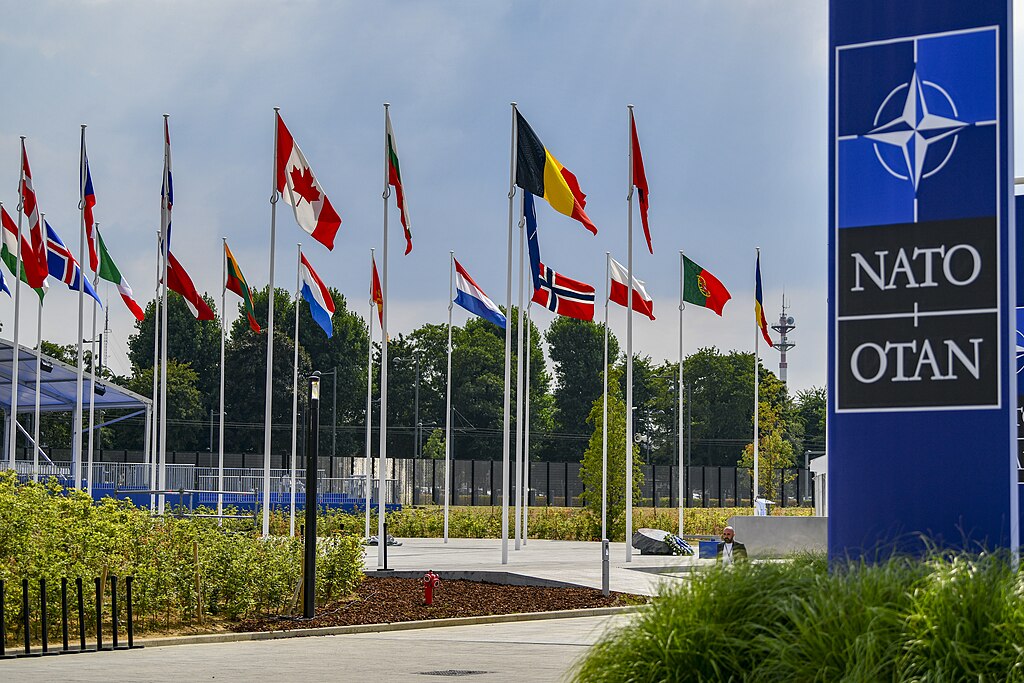
NATO allies have agreed to raise their collective defense spending target to 5% of GDP, responding to pressure from U.S. President Donald Trump ahead of this week’s summit in The Hague. The move aims to counter rising threats from Russia and reduce reliance on U.S. military support, as Washington pivots its focus toward China.
Despite the consensus among members, Spanish Prime Minister Pedro Sanchez publicly rejected the new target, stating Spain will not comply due to economic concerns. Sanchez emphasized that reaching the 5% goal would require either slashing social programs or raising taxes, which his government refuses to consider.
NATO Secretary-General Mark Rutte proposed achieving the 5% benchmark through a mix of core military spending—raising the original 2% target to 3.5%—and an additional 1.5% on cyber defense and infrastructure upgrades. Spain, however, insists that meeting just 2.1% of GDP is enough to fulfill its NATO obligations.
Trump sharply criticized Spain’s low defense contributions, calling the country “notorious” for underspending. In contrast, the U.S. spent 3.19% of GDP on defense in 2024, according to NATO data.
A compromise in the summit statement's language—switching from “we commit” to “allies commit”—allowed Spain to interpret the pledge as non-binding. A letter from Rutte to Sanchez reaffirmed that each member has the “sovereign path” to meet its agreed military capability targets, though these targets remain classified.
The final summit text sets a 2035 deadline for the new defense spending plan, with a review scheduled for 2029. While all members have agreed to the overall statement, doubts remain whether Spain’s proposed level of spending will satisfy NATO’s strategic needs.







