


 Eli Lilly’s Inluriyo Gains FDA Approval for Advanced Breast Cancer Treatment
  Trump Signs Executive Order to Boost AI Research in Childhood Cancer
  NASA's Artemis II Crew Arrives in Florida for Historic Moon Mission
  FDA Pilot Program Eases Rules for Nicotine Pouch Makers
  Neuralink Plans High-Volume Brain Implant Production and Fully Automated Surgery by 2026
  SpaceX’s Starship Completes 11th Test Flight, Paving Way for Moon and Mars Missions
  Blue Origin’s New Glenn Achieves Breakthrough Success With First NASA Mission
  Trump Administration to Launch Autism Initiatives Targeting Acetaminophen Use and New Treatment Options
  Blue Origin New Glenn Rocket Explodes During Launch Pad Test, Delaying Space Ambitions
  SpaceX Pivots Toward Moon City as Musk Reframes Long-Term Space Vision
  Trump and Merck KGaA Partner to Slash IVF Drug Costs and Expand Fertility Coverage


 Add as a preferred source on Google
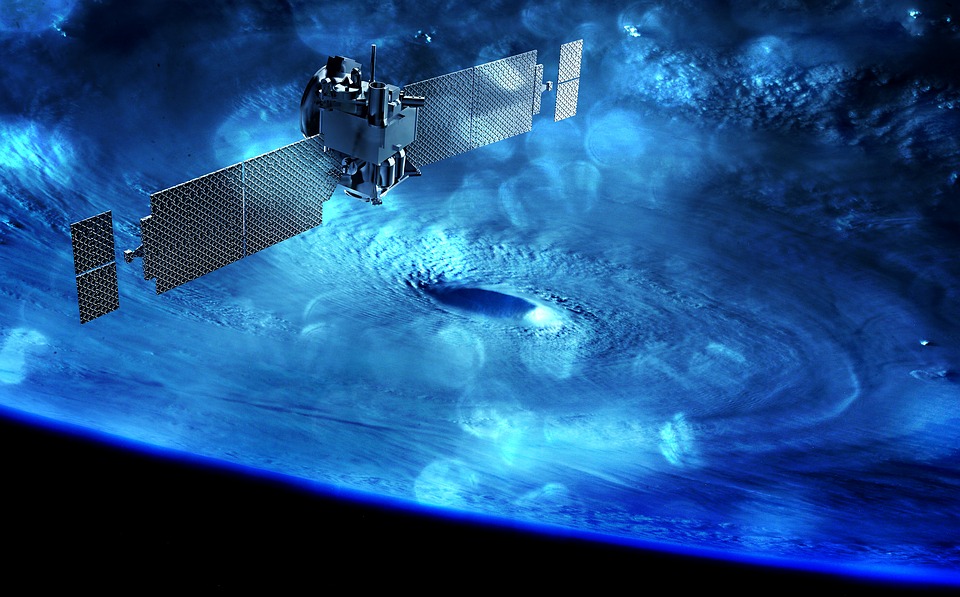
NASA is currently preparing for several missions such as the Artemis mission, the future Mars missions, and the Lucy mission. The agency has now made progress on the Lucy mission as it was revealed that it has now passed an important milestone in preparation for its upcoming mission into space.
The unmanned probe that will be front and center in NASA’s Lucy mission has successfully passed a very important milestone in terms of testing. All of the parts of the probe have passed a system integration review, bringing parts of the probe right on schedule for its assembling and testing in time for its launch scheduled for October 2021. The Lucy mission will see the probe tour five Trojan asteroids found in the orbit of the gas giant Jupiter.
Should NASA succeed, then the probe will be the first device that will examine asteroids up close. The agency is focusing on the Trojan asteroids as astronomers believe that these mysterious rocks have interesting compositions, which will help scientists further understand space and the universe. The mission will span 12 years, with the probe passing by seven of the asteroids and gathering data to shed light on the formation of the solar system.
Despite the COVID-19 pandemic forcing NASA like many other agencies and businesses to temporarily close or reschedule, the breakthrough with this milestone will still bring the team behind Lucy on schedule. “No one anticipated that we would be building a spacecraft under these circumstances but I once again have been impressed by this team’s creativity and resiliency to overcome any challenge placed before them,” said Lucy Principal Investigator Hal Levison.
Meanwhile, NASA has also revealed the kind of shape that our own Solar System has taken. With the use of previous data, the agency created a model that recreated the shape that the solar system has taken, after finding that the planets are encapsulated in a magnetic bubble. Astronomers have since speculated what kind of shape it would be, but the model revealed appeared to liken a deflated croissant.
A photo of the heliosphere on the outside has yet to be taken as from Earth, it would take 16 billion kilometers to exit the solar system to be able to take a photo from the outside.







