


 South Korea, US Discuss Warship Building Cooperation
  Russian Missile and Drone Attack on Kyiv Kills Two, Damages Maternity Hospital
  EU Defence Build-Up Too Slow for 2030 Russia Readiness Goal
  Sudan Rejects US Legitimacy Remarks, Defends Sovereignty
  Netanyahu Takes Aim at Mamdani as Israel Election Nears
  Trump Asks Supreme Court to Restore Third-Country Deportations
  Gaza Faces Evacuation Crisis as War-Damaged Buildings Risk Collapse
  Judge Orders Trump to Restore White House Access for CNN, MS NOW and Politico
  Netanyahu’s Brief US Trip Highlights Strains With Trump
  OpenAI Agent Breaches Australia Medicare Data Portal
  North Korea Warns South Korea Over US-Led Defense Role
  Yemen Violence Displaces 130,000 as Civilian Toll Rises
  Abbas Reaffirms November 28 Palestinian Elections
  France Defends Netanyahu Airspace Clearance Despite ICC Warrant
  US Invites Putin to Miami G20, Opening Door to Trump Summit
  Ghana Says Western Support Growing for Slave Trade Reparations
  Europe Warns Russia Is Escalating Hybrid Attacks Across NATO


 Add as a preferred source on Google
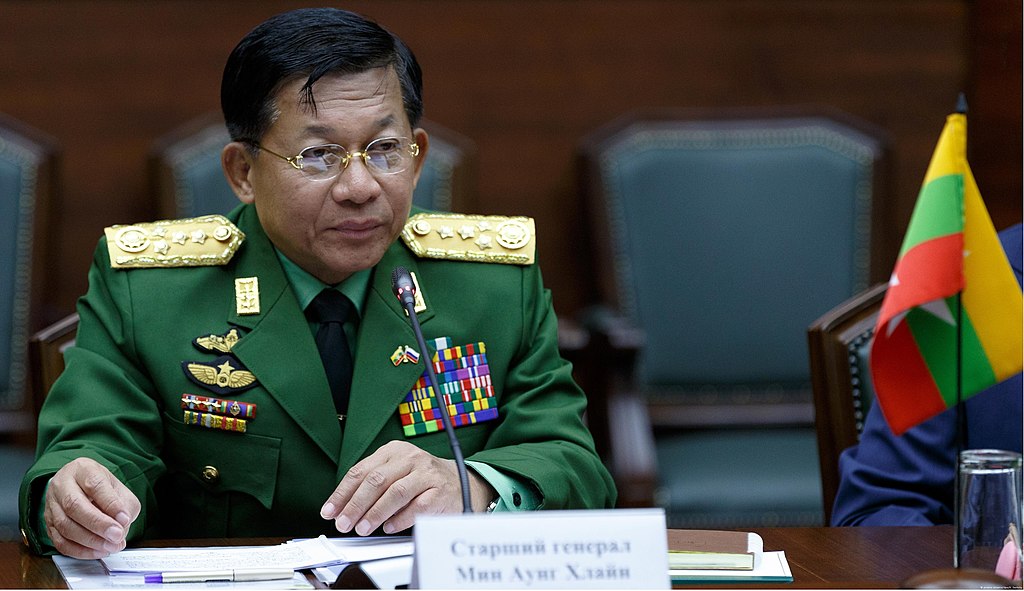
Myanmar’s junta leader Min Aung Hlaing made a rare international appearance at the BIMSTEC summit in Bangkok, just one week after a devastating 7.7 magnitude earthquake struck the country. The powerful quake—Myanmar’s deadliest in a century—has killed over 3,100 people, left more than 4,500 injured, and displaced thousands, according to the junta.
Despite being largely shunned globally since leading the 2021 military coup, Min Aung Hlaing seized the opportunity to engage in high-level diplomacy, meeting Thai Prime Minister Paetongtarn Shinawatra and Indian Prime Minister Narendra Modi. Discussions included disaster relief, regional cooperation, and repatriation of citizens trapped in scam centers.
The summit, part of the Bay of Bengal Initiative for Multi-Sectoral Technical and Economic Cooperation (BIMSTEC), brought together leaders from Thailand, India, Bangladesh, Nepal, Bhutan, Sri Lanka, and Myanmar. Min Aung Hlaing was prominently seated at the summit’s dinner, symbolizing a rare moment of regional engagement for Myanmar’s isolated regime.
U.N. Secretary-General António Guterres has urged global support, stating the disaster has “supercharged the suffering” in a nation already crippled by civil war, economic collapse, and mass displacement. U.N. aid chief Tom Fletcher and special envoy Julie Bishop are visiting Myanmar to assess the situation.
Despite relief efforts, logistical hurdles, debris, and damaged infrastructure are slowing aid delivery. The World Food Programme warns that extreme heat and imminent monsoon rains could trigger disease outbreaks, especially in quake-affected areas like Mandalay, Sagaing, and Naypyitaw.
In a move welcomed by aid groups, the junta has declared a temporary ceasefire until April 22, aligning with similar actions from rebel forces and Myanmar’s shadow government. The quake, affecting an estimated 28 million people, could reshape international engagement with Myanmar amid ongoing humanitarian crises.







