


 Trump, Xi Focus on Trade and AI at White House Summit
  US Comfortable With Canada Trade Standoff as Import Bans Loom
  Dollar Holds Near Two-Month High as Yen Approaches 160
  Oil Prices Fall on U.S.-Iran Hormuz Deal Hopes
  Soybean Futures Slip as Traders Await Trump-Xi Trade Signals
  US 10-Year Treasury Yield at 6% Emerges as New Market Risk Threshold
  Asian Stocks Fall as Bond Yields Surge Ahead of Trump-Xi Summit
  Gold Prices Fall as Treasury Yields Rise on Fed Rate Hike Bets
  US Stock Futures Fall as Treasury Yields Surge Ahead of Trump-Xi Summit
  Canadian Dollar Faces Pressure as Fed-BoC Policy Gap Widens
  Fed’s Hammack Says Bond Yield Surge Is Not Driven by Inflation Fears
  Japanese Bank Stocks Surge as Bond Yields Fuel Rate Hike Bets
  UK PM Burnham to Unveil Economic Vision at Labour Conference
  Australia Unemployment Hits Five-Year High Despite Strong Jobs Growth
  Gold Holds Near $4,275 as Rising Treasury Yields Fuel Fed Rate Hike Bets
  Wall Street Ends Flat as Oil, Treasury Yields and Fed Jitters Rattle Markets


 Add as a preferred source on Google
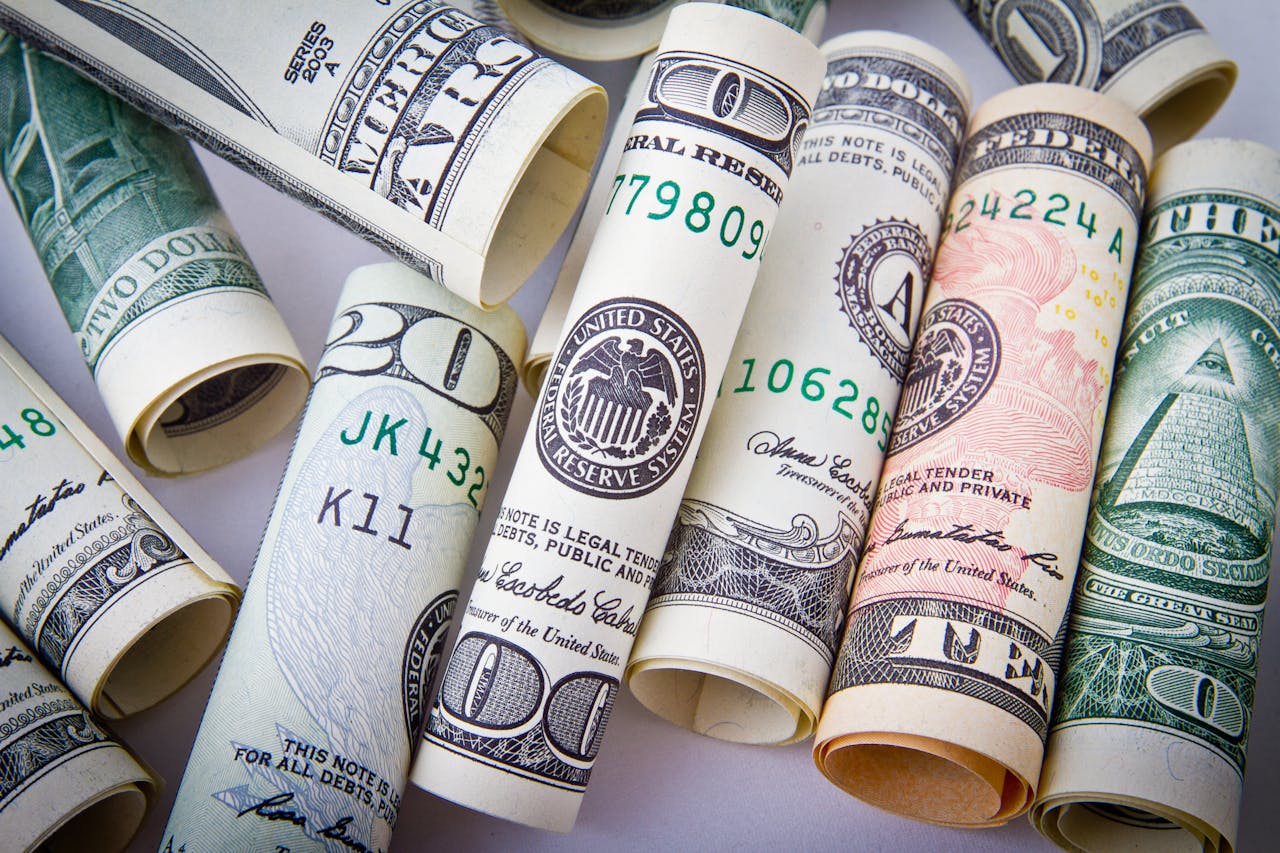
Morgan Stanley analysts believe the recent decline in the U.S. dollar is not the end but merely a pause, forecasting continued weakness through 2027. In a recent note, the bank argued that the EUR/USD level of 1.17 marks an intermission, not a finale, suggesting more depreciation is ahead.
The strategists, led by David S. Adams, expect the dollar’s drop to have only a modest short-term impact on the U.S. economy. Their models estimate a 1% decline in the dollar could boost headline CPI and GDP by about 5 basis points. Core inflation remains largely unaffected, and the U.S.’s relatively closed economy shields it from severe currency-driven trade shocks.
However, the weaker dollar could significantly benefit U.S. multinational corporations, particularly those with substantial foreign revenue. Currency translation effects are likely to boost earnings for large-cap firms in Tech, Materials, and Industrials. Morgan Stanley identified high-quality stocks with over 15% foreign revenue and Overweight ratings, including Microsoft (MSFT), Salesforce (CRM), ExxonMobil (XOM), Procter & Gamble (PG), and Mastercard (MA).
The FX trend may also influence corporate hedging strategies. Companies often raise hedge ratios when the dollar strengthens, but a softening dollar could reverse this, potentially accelerating further USD weakness. The dollar remains at the upper end of historical ranges, and reduced hedging may amplify its decline.
Additionally, the dollar’s depreciation could lower the U.S. share in global equity and bond indices, decreasing passive investment inflows. While the Federal Reserve is not expected to respond aggressively to currency movements, Morgan Stanley anticipates a gradual shift toward a more dovish stance over time, driven by evolving macroeconomic conditions rather than FX alone.







