


 Oil Prices Drop as Strait of Hormuz Shipping Recovers
  Asian Stocks Sink as Apple Price Hikes Spark AI Valuation Fears, South Korea and Japan Lead Selloff
  BOJ Hawk Signals Faster Interest Rate Hikes Amid Inflation Risks
  South Korea’s KOSPI Jumps Over 5% as Samsung, SK Hynix Rally on Micron Earnings Boost
  US Dollar Slips After PCE Inflation Data as Fed Rate Hike Expectations Stay Elevated
  US Dollar Slips After PCE Inflation Data Eases Fed Rate Hike Expectations
  Japan Signals Preference for Low Interest Rates as BOJ Policy Debate Intensifies
  SpaceX Eyes Starlink Mobile Phone Service to Challenge Verizon, AT&T, and T-Mobile
  Australia Jobs Growth Strengthens Rate Hike Outlook
  Gold Prices Fall Below $4,000 as Strong Dollar, Fed Rate Hike Bets Weigh on Bullion


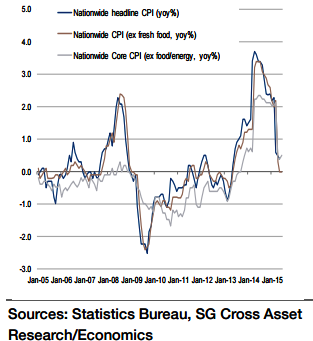
There will be a base effect due to last year's rise in oil prices that continued through to mid-2014. Although the BoJ is aiming at achieving a 2% price stability target, Japan CPI (excluding fresh food) likely fell below 0% yoy, its weakest point since April 2013.
"Japan's nationwide CPI (excluding fresh food) likely fell to -0.2% yoy in July (was +0.1% yoy in June). Factors such as the passing on of price increases to products as a result of costpush inflation caused by yen depreciation and the recovery in domestic demand are helping to push up inflation", says Societe Generale.
Since April, the effects of upward pressure on wages have been getting stronger due to the improved balance of labour supply and demand. In Q4, the base effect due to the fall in oil prices will also fade out. As a result, prices will pick up on a yoy basis. However, oil prices have fallen again since July.
Moreover, the main cause of the negative Q2 GDP growth was weak consumption. It would seem that consumers have not yet recovered completely from the deterioration of consumer sentiment after the consumption tax (CT) hike in April 2014, especially as food prices are continuously increasing. As a result, consumers have been defensive.

- News

- Economy

- Central Banks
- Investing
- Research
- Roundups
- Digital Currency
- Insights
- Technical Analysis
- Technology
- Business
- Law
- Health
- Nature
- Fintech
- Science
- Topic
- Opinions
- ©Econometrics LLC . All Rights Reserved.
More stagnant inflation for Japan in July
Wednesday, August 26, 2015 4:35 AM UTC
Editor's Picks



- Market Data
Most Popular




