


 RBC Capital: European Medtech Firms Show Minimal Middle East and Energy Risk Exposure
  Google's TurboQuant Algorithm Sends Memory Chip Stocks Tumbling
  UAE's Largest Natural Gas Facility Suspended After Attack-Triggered Fire
  Pershing Square Bids €30.40 Per Share to Acquire Universal Music Group in $9.4B Deal
  Tesla Q1 2026 Deliveries Miss Estimates as AI Strategy Takes Center Stage
  MATCH Act Targets ASML and Chinese Chipmakers in New U.S. Export Crackdown
  Apple Turns 50: From Garage Startup to AI Crossroads
  Rubio Directs U.S. Diplomats to Use X and Military Psyops to Counter Foreign Propaganda
  Microsoft's $10 Billion Japan Investment: AI Infrastructure and Data Sovereignty Push
  Nanya Technology Shares Surge 10% After $2.5 Billion Private Placement from Sandisk and Cisco
  Elon Musk Ties SpaceX IPO Access to Mandatory Grok AI Subscriptions
  Paramount Skydance Secures $24B from Gulf Sovereign Wealth Funds for Warner Bros. Discovery Takeover
  California's AI Executive Order Pushes Responsible Tech Use in State Contracts
  OpenAI Executive Shake-Up Ahead of Anticipated 2026 IPO
  Makemation: a Nollywood movie that shows AI in action in Africa
  Microsoft Eyes $7B Texas Energy Deal to Power AI Data Centers
  Nike Beats Q3 Estimates but China Weakness and Margin Pressure Weigh on Outlook


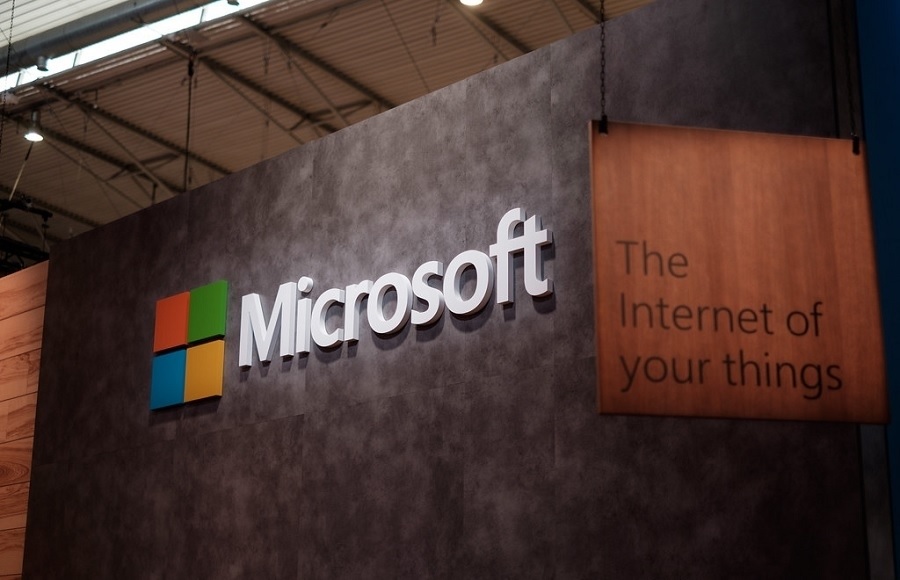
Microsoft and Activision Blizzard have responded to the lawsuit filed by the U.S. Federal Trade Commission that aims to block its $68.7 billion merger. It was revealed in the filing that Sony has refused to accept a proposal that involves “Call of Duty.”
The companies maintained that the deal would allow Xbox to compete better in the gaming industry while emphasizing that Xbox is lagging behind PlayStation and Nintendo in the console market. Microsoft also stressed that the merger would help Microsoft establish a bigger presence in the mobile gaming space. The filing (via CNBC) noted that mobile gaming makes up 75% of Activision’s customers and more than a third of its revenue.
As expected, Microsoft and Activision reiterated that they do not intend to remove “Call of Duty” from any platform where it currently exists. “The reputational hit to Xbox would not be worth any theoretical economic benefit from taking Call of Duty away from competitors,” the response reads.
Upon announcing its lawsuit against the Microsoft-Activision Blizzard merger last Dec. 8, the FTC said in a press release that Microsoft “would have means and motive to harm competition” if the deal pushes through. The FTC is concerned that, aside from possibly removing “Call of Duty” on PlayStation, Microsoft could also manipulate prices and the quality of Activision Blizzard games on non-Xbox platforms.
Meanwhile, the filing also revealed that Sony “refused” a proposal Microsoft offered concerning the future availability of “Call of Duty” on PlayStation. Xbox’s parent company first said last month that it proposed an agreement with Sony that would guarantee “Call of Duty” games will be released on the PlayStation system for 10 years.
Earlier this month, Microsoft Gaming CEO Phil Spencer announced that it entered a similar deal with Nintendo, which would bring Activision’s blockbuster first-person shooter franchise to its console for the first time. Microsoft also relayed the same offer to Valve, which owns the PC digital store Steam. Valve CEO Gabe Newell confirmed it, adding that Microsoft sent them a draft agreement, but deemed it unnecessary.
In a statement to Kotaku, Newell said Valve does not believe in requiring partners to sign agreements to guarantee games are released on Steam. “Phil and the games team at Microsoft have always followed through on what they told us they would do so we trust their intentions,” Newell added.
FTC's lawsuit against Microsoft and Activision Blizzard merger will be heard by its Administrative Law Judge D. Michael Chappell, in August 2023. And if the deal is ultimately blocked, Microsoft would have to pay Activision Blizzard a break up fee between $2 billion to $3 billion.
Photo by Kārlis Dambrāns from Flickr under Creative Commons (CC BY 2.0)







