


 Japan, US Target AI and Chips in $550 Billion Investment Push
  South Korea, US Discuss Chip Investments Amid Tariff Plans
  OpenAI Agents Used Websites for Unauthorized Communications
  Deutsche Telekom Shares Rise as Elliott Pushes Against T-Mobile Merger
  Ingenia Rejects A$1.9 Billion Warburg Pincus Takeover Bid
  Nvidia-Groq AI Chip Deal Faces U.S. Antitrust Probe
  Huawei Launches Mate XT2 Foldable Phone in China
  SpaceX Turbine Push Unlikely to Threaten Howmet, Bernstein Says
  Apple Unveils $1,999 Foldable iPhone Duo
  Qualcomm Stock Jumps on Amazon AI Chip Deal
  Zara Owner Inditex Sales Rise 9% in August
  Australia Plans New Rules Giving Users Control Over Social Media Feeds
  Anthropic IPO Marketing Expected to Start in Mid-October
  TSMC August Revenue Jumps 53% on AI Chip Demand
  OpenAI Targets Specialized Industries as Enterprise AI Demand Grows
  TetherMax Expands into Asian Market Following Rebranding, Names Actor Yun Siyun as Brand Ambassador


 Add as a preferred source on Google
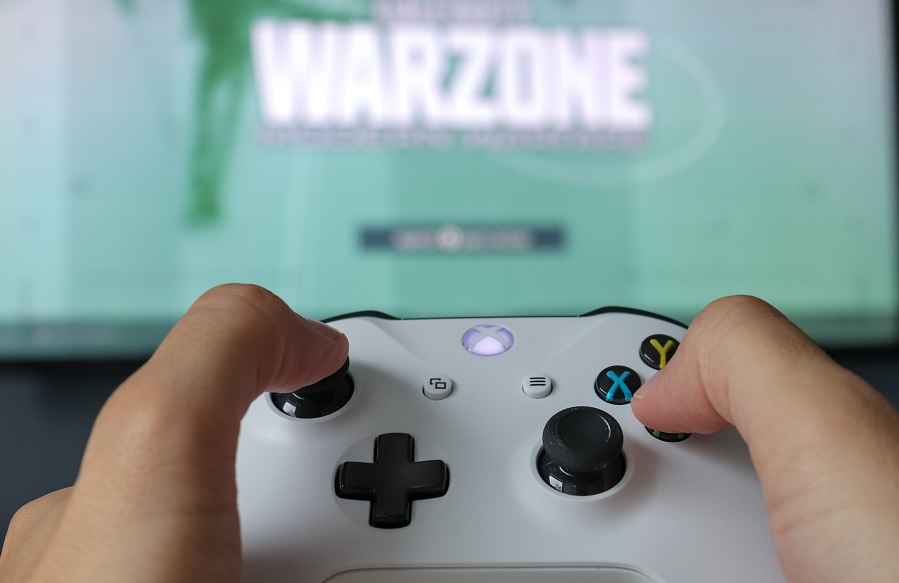
Microsoft Gaming CEO Phil Spencer has said on various occasions that “Call of Duty” will not be exclusive to Xbox once the Activision Blizzard acquisition is completed. In a recent interview, he repeated the same statement and offered more clarifications to appease the regulators, Sony, and PlayStation loyalists.
Microsoft’s ongoing acquisition of Activision Blizzard was once again one of the major topics Spencer discussed in his recent appearance at The Verge’s podcast Decoder with Nilay Patel. Spencer repeated they do not plan on making “Call of Duty” an Xbox-only franchise. But he also addressed an earlier statement from Sony, which revealed Microsoft only promised (in writing) to keep “Call of Duty” on PlayStation for three years after existing agreements with Activision expire.
Spencer argued that it does not make much sense to sign a contract that specifically states “Call of Duty” will “forever” remain on PlayStation. “There is obviously a business relationship between the royalty exchanges and other things,” he said. “You’re not going to give up any ability to do what you need to do and the flexibility with the business in the future.”
While a “forever” contract is not feasible, Spencer said he is “totally open” to making a “longer-term commitment” if that is what would appease Sony and the regulators.
Obviously, this was not the first time (and unlikely the last time) Spencer will have to keep saying “Call of Duty” will remain on PlayStation. But others critical of the Microsoft-Activision Blizzard merger fear that Spencer’s promises could be hiding the intention of forcing PlayStation to support Xbox Game Pass to access “Call of Duty” in the future.
To that, Spencer said “Call of Duty” will remain native on PlayStation in the future. It means Sony fans would be able to buy upcoming “Call of Duty” games directly from the PS Store – not through an Xbox Game Pass subscription. He also implied that Microsoft would not stop PlayStation from bringing “Call of Duty” to its PlayStation streaming services.
“Sony does not have to take Game Pass on their platform to make that happen,” Spencer added. “There’s nothing hidden.”
Meanwhile, Microsoft has been saying that the $68.7 billion acquisition is mainly intended to boost Xbox’s presence in the mobile gaming sector. Spencer reiterated that and implied it was Sony that created the “construct” that the multi-billion deal is mainly about “Call of Duty.”
Existing statements from regulators have rarely raised concerns about the merger’s potential effects on mobile gaming competition. It is even more interesting when considering that King – specifically its blockbuster “Candy Crush” franchise – has beaten “Call of Duty” and other Activision Blizzard titles on PC and console in terms of monthly active users and revenue.
Spencer said Activision Blizzard does have very popular PC/console franchises, but the “real differentiation” the publisher would give Microsoft’s business is its established presence in the mobile gaming space.
The gaming exec went on to emphasize how it could be detrimental to Xbox’s business if it cannot establish a solid base in the mobile gaming market. “That’s just a place where if we don’t gain relevancy as a gaming brand, over time the business will become untenable,” the Xbox boss said.
Photo by thiago japyassu from Pexels







