


 Europe's Aviation Sector on Track to Meet 2025 Green Fuel Mandate
  Federal Judge Blocks Pentagon's Blacklisting of AI Company Anthropic
  Luxury Car Sales in the Middle East Take a Hit Amid Iran War
  Apple Defies China's Smartphone Slump with Strong Early 2026 Sales
  Brown-Forman and Pernod Ricard in Merger Talks to Create World's Largest Spirits Giant
  Trump White House Unveils National AI Policy Framework for Congress
  Jefferies Upgrades Sodexo to Buy With €55 Target After Historic CEO Appointment
  Nintendo Switch 2 Production Cut as Holiday Sales Miss Targets
  McDonald's and Restaurant Brands International Face Headwinds Amid Iran Conflict and Rising Costs
  Star Entertainment Secures $390M Refinancing Deal to Stabilize Operations
  Nanya Technology Shares Surge 10% After $2.5 Billion Private Placement from Sandisk and Cisco
  NVIDIA's Feynman AI Chip May Face Redesign Amid TSMC Capacity Crunch
  Super Micro Computer Shares Plunge After Co-Founder Charged in AI Chip Smuggling Case
  Google's TurboQuant Algorithm Sends Memory Chip Stocks Tumbling
  Cybersecurity Stocks Tumble After Anthropic's Claude Mythos AI Leak Sparks Market Fears
  KPMG UK Cuts 440 Audit Jobs Amid Low Attrition and Cooling Professional Services Demand
  Amazon's "Transformer" Phone: Can It Succeed Where Fire Phone Failed?


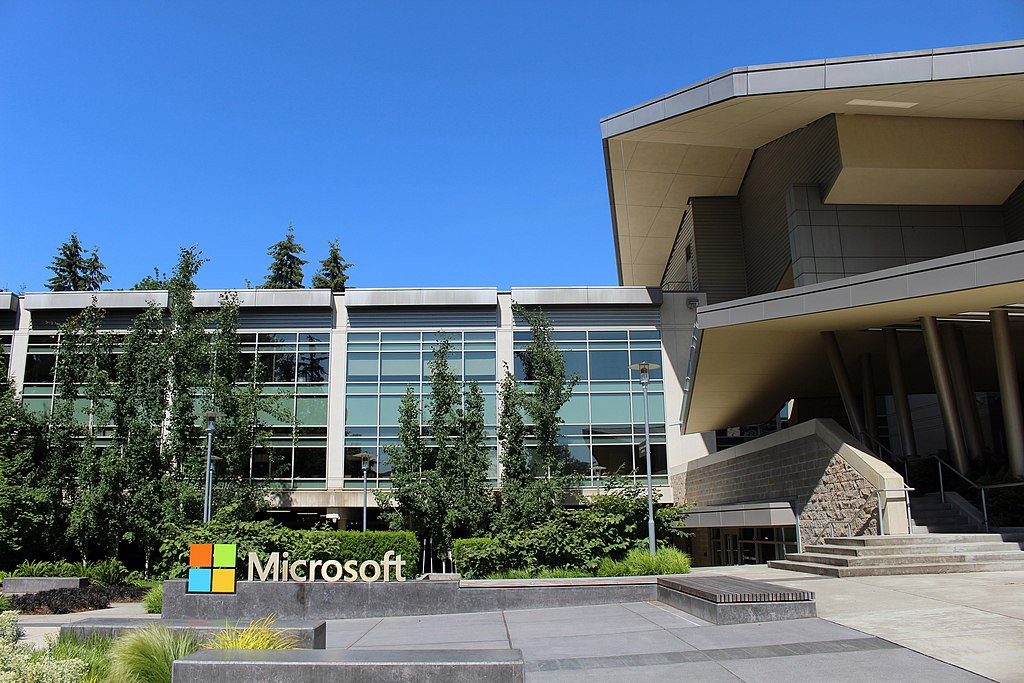
At Microsoft’s 50th anniversary event in Redmond, Washington, AI chief Mustafa Suleyman shared insights into how the tech giant is measuring the success of its AI assistant, Copilot. While the company still monitors traditional metrics like daily and weekly active users and usage intensity, Suleyman emphasized a more meaningful performance indicator: the Successful Session Rate (SSR).
“SSR is what I really, really focus the team on,” said Suleyman in an interview. This metric gauges how often Copilot sessions meet user expectations, providing a more accurate reflection of quality than older metrics like time spent on apps or engagement rates. With access to anonymized logs and AI-powered sentiment analysis, Microsoft is refining Copilot's interactions and improving its overall utility.
Since Suleyman joined Microsoft from Inflection AI a year ago, Copilot’s SSR has seen a dramatic increase—though he declined to disclose specific figures. He noted that Microsoft’s own AI helps evaluate session quality through sentiment analysis.
Copilot, which continues to expand its capabilities, now offers features like a friendlier voice interface and real-time webpage analysis. At Friday’s event, Microsoft showcased upcoming enhancements, including personalized podcasts, intelligent research tools for complex queries, and customizable Copilot appearances tailored to individual users.
Suleyman, one of the few speakers at the event besides Microsoft CEOs past and present—Bill Gates, Steve Ballmer, and Satya Nadella—expressed a personal vision for Copilot’s interface. “I would definitely go for something that was cutesy,” he joked, likening it to a “little Furby-type thing.”
As Microsoft continues its AI push, focusing on SSR underscores the company’s shift toward more nuanced and effective user experiences—paving the way for Copilot to become a more intuitive, responsive digital assistant.







