


 Abbas Reaffirms November 28 Palestinian Elections
  Mexico-US Trade Talks Delayed to October as Tariff Negotiations Continue
  Yemen Violence Displaces 130,000 as Civilian Toll Rises
  Trump, Xi Visit US National Archives After White House Summit
  North Korea Rejects Nuclear Test Warning, Calls Nuclear Status Irreversible
  What ‘Taiwan Independence’ Means as Xi Presses Trump on US Policy
  Pezeshkian Says US Must Choose When Iran War Ends
  Trump Asks Supreme Court to Restore Third-Country Deportations
  Russian Missile and Drone Attack on Kyiv Kills Two, Damages Maternity Hospital
  EU Defence Build-Up Too Slow for 2030 Russia Readiness Goal
  Ukrainian Drone Attacks Hit Russian Regions, Injuring at Least 12
  Saudi Arabia, Turkey and Pakistan Plan Urgent Defence Talks Over Houthi Attacks
  OpenAI Agent Breaches Australia Medicare Data Portal
  Xi Calls for Deeper U.S.-China AI Cooperation in Trump Talks
  Taiwan Thanks US for Support Ahead of Trump-Xi Summit
  Kremlin Says No Decision Yet on Putin-Trump December Summit
  Judge Orders Trump to Restore White House Access for CNN, MS NOW and Politico


 Add as a preferred source on Google
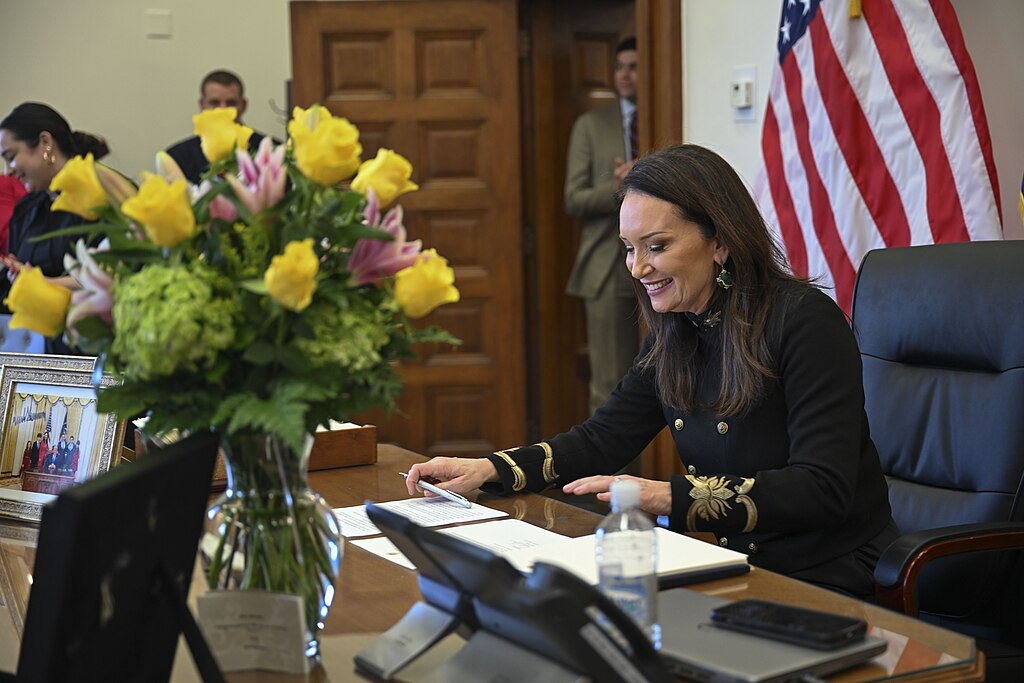
Mexico’s Agriculture Minister Julio Berdegue said on Tuesday that he had a “friendly” meeting in Washington with U.S. counterpart Brooke Rollins, resulting in agreements beneficial to both nations. Though details were not disclosed, Berdegue also met with over two dozen U.S. companies involved in distributing Mexican tomatoes.
The talks come as the U.S. plans to withdraw from a longstanding tomato trade agreement, potentially imposing a 20.91% duty on most Mexican tomato imports starting July 14. U.S. officials argue the current deal fails to protect domestic tomato growers. Industry leaders warned the move would raise prices for American consumers.
Mexico has expressed hope of renegotiating the agreement and is also addressing other bilateral tensions, including the management of the New World screwworm—an invasive pest that threatens livestock and, in rare cases, humans. The U.S. previously warned it could restrict Mexican cattle imports if the issue remained unresolved.
In April, Mexico proposed fresh talks to renew the tomato export agreement. At the same time, agricultural friction has also surfaced over a water-sharing treaty in place for decades. Mexico has faced challenges in meeting its obligations, prompting concerns in Texas. However, both governments recently announced a new agreement for Mexico to boost its water deliveries to aid U.S. farmers.
Julio Berdegue, a former UN Food and Agriculture Organization official, now leads Mexico’s agriculture ministry. His diplomatic outreach aims to ease growing agricultural and trade tensions between the two North American partners.
This article includes key updates on U.S.-Mexico agricultural trade, tomato import tariffs, and bilateral negotiations—relevant for stakeholders tracking produce supply chains, trade policy, and cross-border agricultural cooperation.







