


 Mercedes-Benz Eyes €800 Million Labor Cost Cuts in Germany
  Dubai’s connectivity remains strong in an uncertain world
  Saudi Arabia Shuts East-West Oil Pipeline After Drone Attack
  Canada Unveils Bill to Fast-Track Major Resource Projects
  FDA Weighs Safety Standards for Psychedelic Therapies
  US Backs Musk in Fight Against EU’s €120 Million X Fine
  JPMorgan Names Lavatelli Japan Chief in Leadership Shake-Up
  Judge Blocks Trump Rule Limiting Foreign Student Visas
  Eli Lilly Eyes AtaiBeckley Acquisition to Expand Psychedelic Mental Health Pipeline
  New Mexico Measles Outbreak Cost Reached $5.4 Million, Study Finds
  China Reviews Broadcom Switch Use in State Data Centres
  Novo Nordisk Strikes €1.17 Billion Nanexa Drug Delivery Deal
  Apple Extends Qualcomm Patent Licensing Deal
  SpaceXAI to Double Nvidia Chips at Colossus 2 by Year-End
  US Resumes Immigrant Visa Processing for Hungary, Poland
  McDonald’s Sees Flat Traffic, Sticky Inflation as New Normal
  EQT Plans €1.7 Billion Sale of Parques Reunidos Stake


 Add as a preferred source on Google
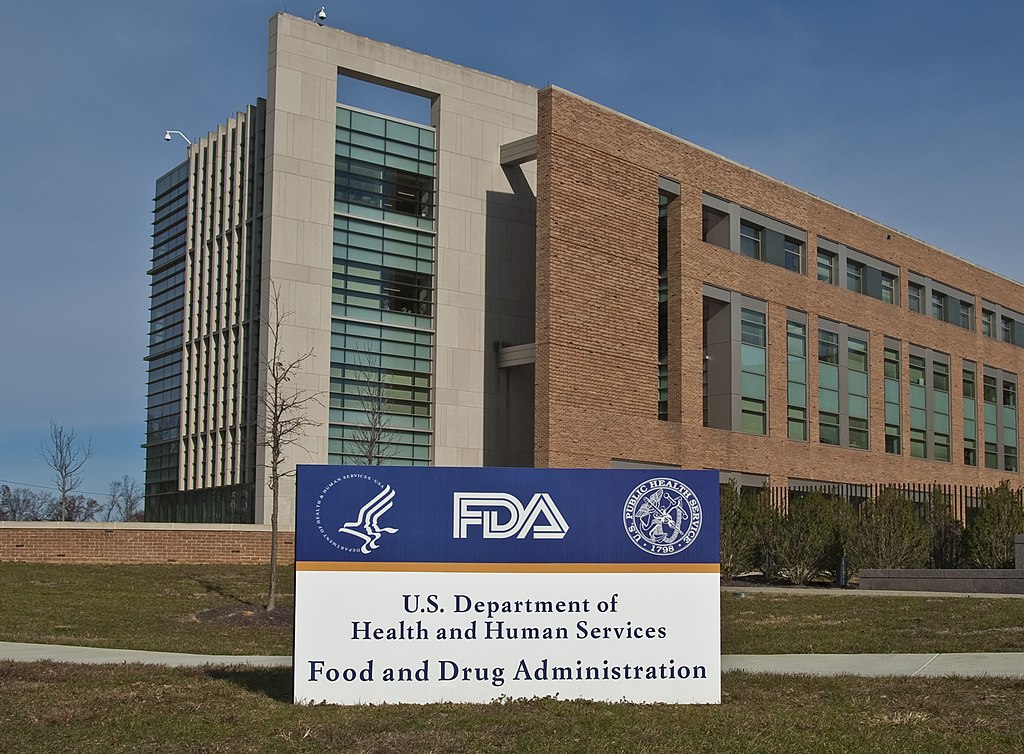
Dr. Vinay Prasad, the controversial director of the U.S. Food and Drug Administration’s Center for Biologics Evaluation and Research (CBER), will step down from his role at the end of April, according to FDA Commissioner Dr. Marty Makary. Makary announced the departure on social media platform X, confirming that Prasad will return to the University of California, San Francisco School of Medicine, where he serves as a professor. Makary also noted that a successor to lead the FDA’s vaccines and biologics division will be appointed before Prasad leaves the agency.
Prasad, an oncologist and prominent critic of U.S. drug and vaccine policies, joined the FDA in May last year. Prior to entering the agency, he was widely known for challenging federal COVID-19 vaccine mandates and questioning certain regulatory decisions related to drug approvals. His time at the FDA was marked by several high-profile debates involving vaccine approvals, gene therapies, and treatments for rare diseases.
Shortly after assuming the role as head of CBER, Prasad briefly stepped down following scrutiny over his handling of a muscular dystrophy treatment review. However, he returned to the position only weeks later. During his tenure, disputes between the FDA and biotechnology companies became a recurring theme, particularly regarding the approval process for innovative therapies.
One of the most notable disagreements involved Dutch biotech company UniQure and its gene therapy designed to treat Huntington’s disease. The FDA requested additional clinical studies to support the therapy’s approval, while the company and patient advocates argued that the agency’s requirements were too burdensome and would delay treatment for patients with the rare neurological disorder. The U.S. Department of Health and Human Services, which oversees the FDA, later accused UniQure of misrepresenting the regulator’s requests to the public.
Following news of Prasad’s departure, UniQure’s U.S.-listed shares surged approximately 57% in extended trading. Shares of Disc Medicine also climbed around 10% after-hours. The biotech firm recently faced a rejection from the FDA for a treatment that had received the Commissioner’s National Priority Voucher, a fast-track initiative launched by Makary to accelerate breakthrough therapies. The agency concluded that the clinical trials failed to demonstrate a clear connection between biological improvements and measurable patient benefits.
An opinion column published in the Wall Street Journal in February criticized the FDA’s handling of several rare disease drug applications under Prasad’s leadership, arguing that the decisions conflicted with Makary’s stated goal of more flexible regulatory reviews for innovative treatments.
Prasad’s exit is part of a broader leadership reshuffle within the U.S. Department of Health and Human Services. The department recently placed National Institutes of Health director Jay Bhattacharya in charge of the Centers for Disease Control and Prevention after the departure of former CDC head Jim O’Neill.







