


 Aviva First-Half Operating Profit Jumps 24% as Direct Line Deal Boosts Growth
  Wall Street Hits Record High as Softer Inflation Data Eases Fed Rate Hike Fears
  Maersk Raises 2026 Earnings Outlook as Shipping Profits Beat Expectations
  Australia’s Corporate Leaders Face Parliament Over KPMG Client Data Scandal
  CBA Posts Record A$10.98B Profit Despite Cautious Outlook
  Gold Price Holds Near $4,400 as Hormuz Risks and CPI Drive Markets
  Antofagasta Shares Drop 5% as Miner Cuts 2026 Copper Production Forecast
  Trump Imposes New US Tariffs on Drone Imports Over National Security Concerns
  US Dollar Slips as Softer PPI Data Eases Fed Rate Hike Expectations
  Columbia Student Mahmoud Khalil Fights Arrest as Deportation Case Moves to New Jersey
  France Inflation Rises 2.4% in July as Consumer Prices Increase
  US Dollar Holds Firm as Fed Outlook and Iran Tensions Keep Markets on Edge
  Glastonbury is as popular than ever, but complaints about the lineup reveal its generational challenge
  Japan Government Backs Earlier BOJ Rate Hike as Inflation Pressures Build
  Anthropic Signs $9.1B AI Data Center Deal With Riot Platforms
  Goldman Sachs Eyes Investors for Nvidia’s $500 Billion AI Financing Plan


 Add as a preferred source on Google
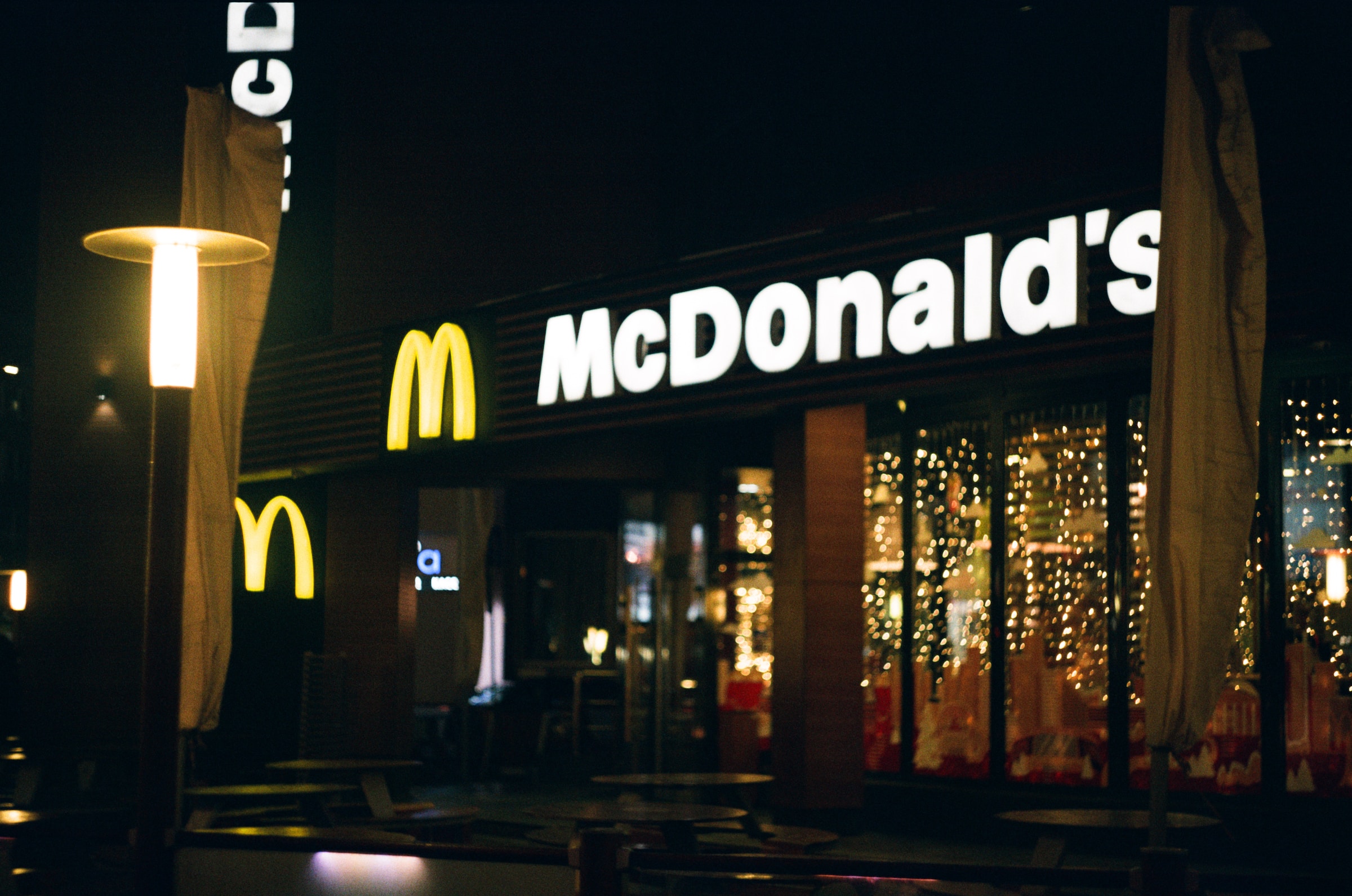
McDonald's announced an increase in royalty fees for new franchises in the US and Canada. The move aligns with global standards and follows the company's revenue challenges and recent price reductions.
Starting from January 1, the royalty fees will be increased from 4% to 5%. However, franchises engaged in rebuilding, renovating existing locations, or transferring an outlet to another party will not be affected by this change, as stated in the letter.
This decision comes when the restaurant giant is experiencing a slowdown in revenue growth for the remainder of the year. As signs of easing inflation emerge, McDonald's has opted to lower menu prices.
Earlier this year, McDonald's Chief Financial Officer, Ian Borden, acknowledged operating challenges amidst elevated costs, restricted customer discretionary spending, and the pressure on industry traffic. Nevertheless, CEO Chris Kempczinski expressed confidence in the company's market value, positioning it favorably to navigate the current economic challenges.
While Northcoast Research analyst Jim Sanderson believes the impact on McDonald's revenue will be minimal due to the limited number of new store openings in the United States, the franchise business remains a significant contributor. As of December 31, approximately 95% of the 13,400 stores operated in the United States were franchisee-operated, constituting nearly 30% of the company's total revenue in 2022.
According to a letter obtained by Reuters on Friday, average cash flows for US franchisees have displayed impressive growth of over 35% in the past five years. In addition to the change in fee rates, McDonald's will also alter the payment terminology.
"Service fees" will be replaced with "royalty fees," aligning with the standard practice in all other McDonald's markets worldwide. The royalty fee represents the amount restaurant operators pay the owner, with the rate determined based on the revenue generated by the licensed property.
Photo: VLADISLAV BOGUTSKI/Unsplash







