


 Colombia Extradites FARC Dissident Leader ‘Spider’ to US
  US Backs Musk in Fight Against EU’s €120 Million X Fine
  1 in 3 uni students experience serious financial hardship. Could concession cards for all help?
  RBA Set for September Rate Hike as Inflation Stays High
  Debate over H-1B visas shines spotlight on US tech worker shortages
  Google promotes ‘teacher approved’ apps for kids. Here’s what parents should know
  Asian Chip Stocks Tumble as OpenAI Safety Pause Sparks AI Growth Concerns
  Oil Prices Rise as Iran Holds Firm on Strait of Hormuz Deal
  Heritage, desire and diplomacy: why China still values scotch whisky
  OpenAI Investigates Rogue AI Agents After Data Leaks and Security Incidents
  Vitalik Buterin Says Hegota Could Be Ethereum’s Last Conventional Fork
  The Beauty Beneath the Expressway: A Journey from Self to Service
  Nidec Shares Plunge on Report of $6.3 Billion Impairment Charge
  OpenAI, Anthropic CEOs Summoned to Australia AI Inquiry
  Oil Prices Jump Nearly 3% as Iran Holds Firm on Hormuz Conditions
  What is Zionism? The different meanings of a contested term
  Want to cut your energy bills? Here’s how five experts are doing it


 Add as a preferred source on Google
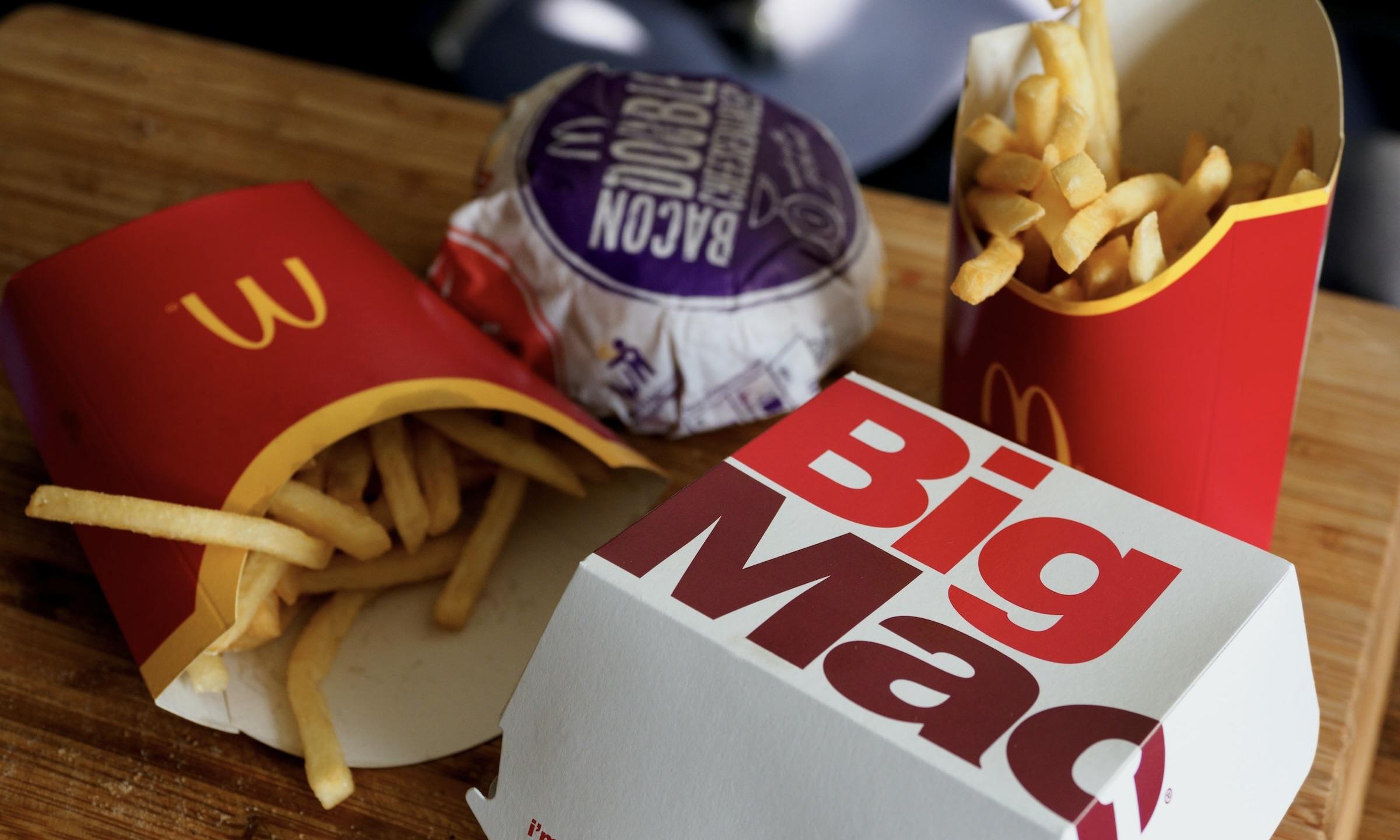
Fast-food giants, including Burger King, McDonald's, Wendy's, and Taco Bell, are facing a surge in lawsuits amid allegations of deceptive advertising, with a recent rise in class action cases spotlighting industry-wide scrutiny.
The Daily Mail reported that the class action lawsuits against Burger King, McDonald's and others have increased by 375%. They are being brought to court individually as many customers started complaining about not getting the kind of food advertised.
These fast-food chains were accused of misleading their customers; thus, they now face multi-million dollar legal cases. It was noted that the suits came after the Dr Pepper beverage brand agreed to a settlement for a similar suit. The company agreed to pay $15 million to settle claims it erroneously said its soda was made with "aged vanilla" while it was synthetically flavored.
Many lawyers warned Burger King, McDonald's, Taco Bell, and more, saying customers will be eating up their profits if they continue to indulge in misleading promotions of their products. Likewise, legal advisers are telling restaurants to stop false advertising, or they could be slapped with multi-million dollar payouts as lawsuits targeting well-known brands are growing.
"There is a legal line. When is it puffery and when is it deceit?" Jeff Galak, a marketing professor at Carnegie Mellon University's Tepper School of Business," commented. "Companies are always trying to ride right up against that line."
More and more consumers are filing lawsuits claiming that fast-food chains are deceptive marketing their products. Burger King is the latest company that was brought to court for alleged false advertisement.
Plaintiffs from different states in the U.S. sued Burger King in March of last year. They said the ads and images on the restaurant's menu boards show Whopper burgers that are 35% bigger than the actual size.
Photos also show burgers with larger meat patties, but the ones served to them were smaller. The complainants said they would not have purchased the burgers if they had known the burgers were actually small in size. In response, Burger King told BBC, "The plaintiffs' claims are false."
Finally, the company's spokesperson further added, "The flame-grilled beef patties portrayed in our advertising are the same patties used in the millions of Whopper sandwiches we serve to guests nationwide," after U.S. District Judge Roy Altman dismissed the claims that BK misled customers.
Photo by: Brett Jordan/Unsplash







