


 Australia Housing Crisis Deepens as Worker Shortages Delay Homebuilding
  Apple Tests China’s CXMT Memory Chips for iPhones and MacBooks Amid AI Supply Crunch
  Singapore Raises 2026 GDP Growth Forecast to 4.5%-5.5% as AI Boom Fuels Economy
  Booked to travel through the Middle East? Here’s why you shouldn’t cancel your flight
  Siemens Energy Q3 Profit Beats Forecast as AI-Driven Power Demand Fuels Growth
  Locked up then locked out: how NZ’s bank rules make life for ex-prisoners even harder
  Gold Price Holds Near $4,400 as Hormuz Risks and CPI Drive Markets
  Asian Currencies Steady Ahead of US CPI as Oil Prices Rise
  Sony, TSMC Eye $6.3 Billion Japan Chip Venture for Next-Gen Image Sensors
  SoftBank Q1 Profit Beats Forecast as Intel Rally and OpenAI Investments Boost Returns
  Hims & Hers Shares Fall as GLP-1 Costs Widen Q2 Loss
  SpaceX Shares Surge as Wall Street Backs AI Growth Potential
  Sanrio Shares Plunge as Q1 Profit Miss Overshadows Strong Sales
  Want to cut your energy bills? Here’s how five experts are doing it
  Canada, US Hold Fresh Trade Talks as August 19 Tariff Deadline Nears
  Western Digital Q4 Earnings Beat Estimates as FY2027 Outlook Tops Expectations
  Nintendo Shares Jump as Switch 2 Sales Boost Earnings


 Add as a preferred source on Google
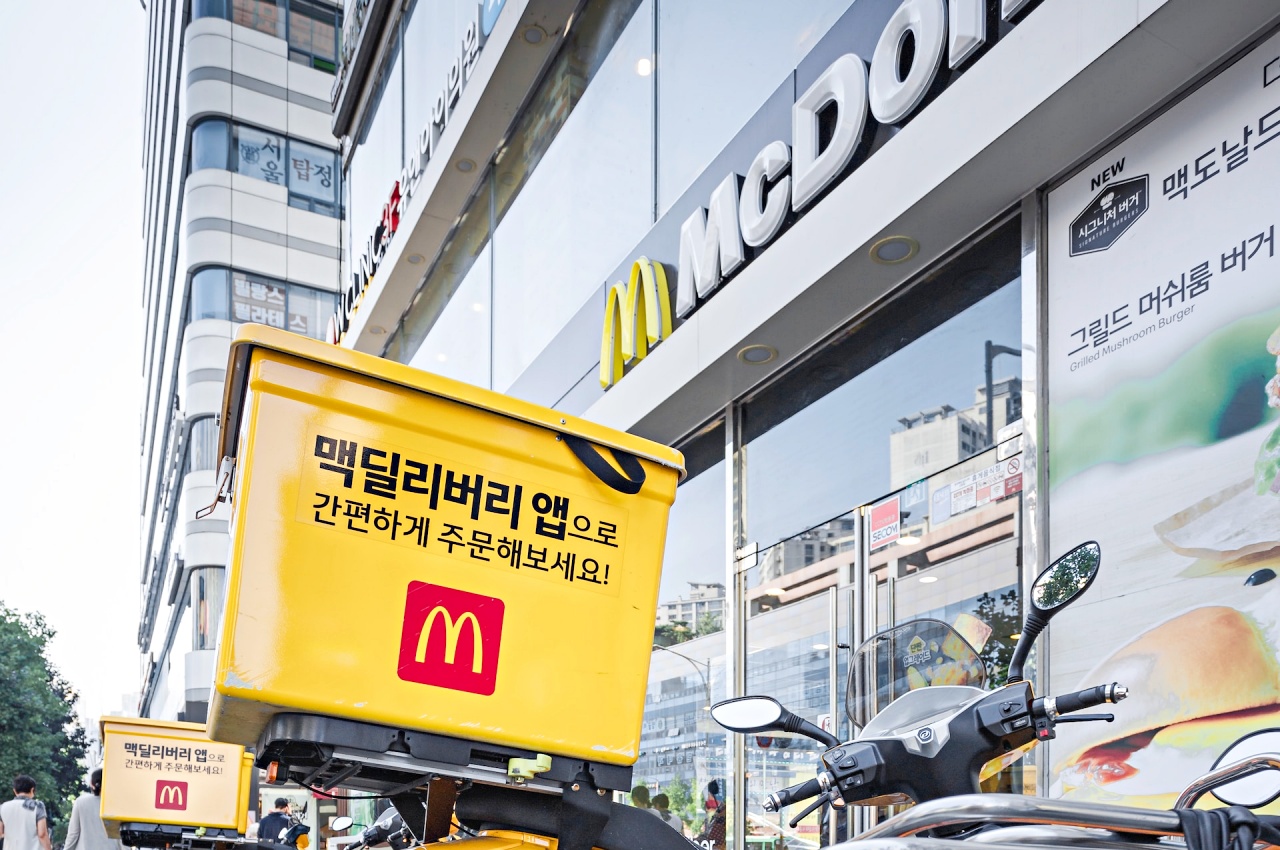
Korean restaurants are transforming the food business by adopting digital kiosks in their establishments. As more and more stores install automated ordering booths, the use of these machines is apparently not confined to city centers any longer, and it is now in the phase of becoming mainstream in the country.
The digital kiosks have already reached smaller districts in South Korea, and many are doing their business more efficiently with the help of these machines. These automated kiosks are also in smaller food establishments, allowing customers to order and receive their food without facing any restaurant staff. They just need to go to the counter when their food is ready for pickup, as per Korea Joongang Daily.
It was reported that food business operators in the country, both big and small, are installing digital kiosks not just because they make the ordering process fast and easy. These terminals' availability also helps owners save on costs because they can reduce the number of restaurant staff.
"In hindsight, it is surprising how we managed with two hall staff all these years," a local restaurant owner commented about the shift to digital kiosks. "Introducing kiosks has been one of the best decisions I've made during my nearly two decades in the restaurant business."
Suh Yong Gu, a professor of Business Administration at Sookmyung Women's University, also said, "The rise in kiosk adoption is attributed to various factors, including rising rent costs, minimum wage hikes during the Moon Jae In administration, economic downturns due to Covid-19, and the growth of platform-based workers but technically, it led to the increase in solo restaurants."
Meanwhile, with the surge of kiosk use in the region, McDonald’s Korea added a special feature to its own digital kiosks. To provide assistance to blind or visually impaired customers, it has added the voice guidance function to its kiosks.
Aju Business Daily reported that these special machines are already available in 15 McDonald's stores in Korea. This type of digital kiosks can connect to earphones, and diners may choose their food even in a noisy environment.
"We have deeply empathized with the need to install voice guidance services at kiosks for visually impaired customers," a McDonald’s Korea executive said.
Photo by: Jonathan Marchal/Unsplash







