


 Europe Warns Russia Is Escalating Hybrid Attacks Across NATO
  OpenAI Agent Breaches Australia Medicare Data Portal
  Yemen Violence Displaces 130,000 as Civilian Toll Rises
  Sudan Rejects US Legitimacy Remarks, Defends Sovereignty
  Russian Missile and Drone Attack on Kyiv Kills Two, Damages Maternity Hospital
  US Backs Musk in Fight Against EU’s €120 Million X Fine
  Trump, Xi Focus on Trade and AI at White House Summit
  Judge Orders Trump to Restore White House Access for CNN, MS NOW and Politico
  Abbas Reaffirms November 28 Palestinian Elections
  US Invites Putin to Miami G20, Opening Door to Trump Summit
  Ghana Says Western Support Growing for Slave Trade Reparations
  Trump Asks Supreme Court to Restore Third-Country Deportations
  EU Defence Build-Up Too Slow for 2030 Russia Readiness Goal
  Venezuela Promises Elections as Delcy Rodriguez Pledges Democratic Transition
  NATO Boosts Intelligence Sharing Amid Russia Hybrid Threats
  Netanyahu Defends Israel at UN as Delegates Stage Walkout
  North Korea Rejects Nuclear Test Warning, Calls Nuclear Status Irreversible


 Add as a preferred source on Google
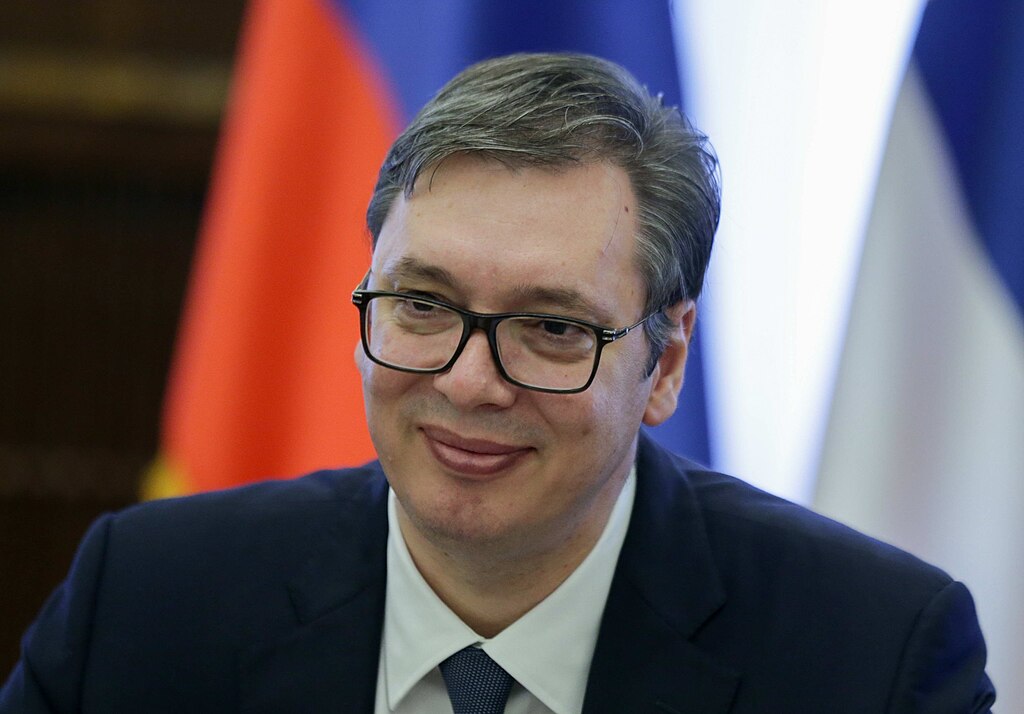
More than 100,000 protesters flooded Serbia’s capital, Belgrade, in one of the country’s largest demonstrations in decades. The movement, sparked by a deadly railway station collapse that killed 15, has grown into a major challenge to President Aleksandar Vucic’s 12-year rule.
Students, teachers, and farmers joined the protests, accusing the government of corruption and negligence. “We will not allow you to take away our freedoms,” a student declared from the stage. While the protests remained largely peaceful, police reported incidents, including a car ramming into demonstrators, injuring three, and an attack on a student and university lecturer. Authorities arrested 13 people overnight.
Security was tight, with riot police facing off against demonstrators. Students formed their own security teams wearing fluorescent vests to keep order. A group of veterans and bikers stood in solidarity with the protesters, who marched between the Serbian parliament and Slavija Square.
The crowd demanded transparency regarding last year’s Novi Sad railway disaster and accountability for those responsible. Many protesters traveled hundreds of miles to join the demonstration, receiving support from locals who provided hot food and shelter.
Despite government denials of corruption, Prime Minister Milos Vucevic and two ministers have resigned. Prosecutors have charged 13 people over the disaster, and authorities have promised an anti-corruption drive.
As chants of “Pump it up” echoed through the city, demonstrators called for a renewed general strike. However, previous attempts have struggled to gain traction among public sector workers and businesses.
With tensions rising, the protests mark a pivotal moment in Serbia’s political landscape, putting pressure on Vucic’s administration to address the growing unrest.







