


 Houthi Attack on Yemen’s Mocha Port Kills Seven, Injures 30
  Iran-Oman Hormuz Shipping Deal Nears Final Stage
  Trump Administration Plans $1 Billion Security Aid Package for Colombia
  Germany Warns of Daily Hybrid Warfare Threats
  Abdul El-Sayed Wins Michigan Democratic Senate Primary, Sets Up Key Midterm Showdown
  Canada, US Hold Constructive Trade Talks as Tariff Negotiations Continue
  Colombia President Abelardo De La Espriella Pledges Drug Crackdown, Economic Reforms
  US Expands Social Media Vetting to Foreign Journalists Seeking Visas
  Trump Unveils $3 Billion U.S. Critical Minerals Push
  North Korea May Deploy 120 Missiles to Russia
  U.S. Unseals Charges Against Five Alleged CJNG Leaders, Raises Reward for New Cartel Chief
  Senate Majority Leader John Thune Moves to Advance Crypto Clarity Act
  Taiwan Tests Penghu Defense, Mobile Internet Limits in War Drills
  New Zealand MMP Electoral System Faces Fresh Referendum Debate
  Bezalel Smotrich Faces Election Battle as Israel’s Far-Right Vote Fractures
  Taiwan President Lai Oversees Coastal Strike Drills in Han Kuang War Games


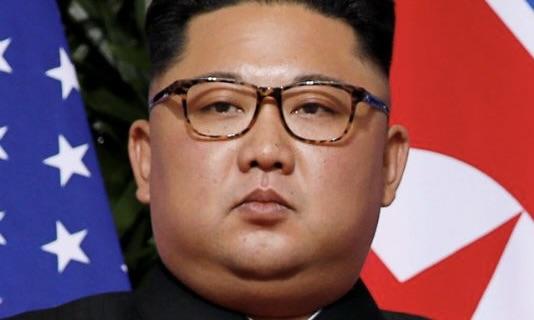
North Korea has broken its silence following South Korean President Yoon Suk Yeol's controversial declaration and swift rescission of martial law. A week after Yoon’s unprecedented six-hour move, Pyongyang’s state-run Korean Central News Agency (KCNA) released a scathing commentary, accusing Yoon of dragging the country into "an abyss" of political instability.
The KCNA likened Yoon’s actions to a coup, reminiscent of South Korea’s military dictatorship era. “A shocking incident occurred in which Yoon Suk Yeol… unhesitatingly pointed the bayonet of his dictatorship at the people,” the KCNA declared. The declaration, spurred by allegations of opposition legislators’ sympathy for North Korea and so-called “anti-state activities,” was met with intense domestic backlash and renewed impeachment efforts.
Fallout from Yoon’s Martial Law Declaration
Yoon Suk Yeol has faced growing challenges, including low approval ratings, mounting scandals involving his administration and family, and a legislative impasse. Critics argue that his martial law declaration not only deepened public dissatisfaction but also cast a shadow over South Korea’s democratic progress. Though he quickly rescinded the measure and issued an apology, calls for his resignation have grown louder.
The fallout has extended to Yoon’s cabinet, with Defense Minister Kim Yong-hyun becoming the first official arrested in connection to the incident. While in detention, Kim reportedly attempted suicide but was saved and remains in stable condition, according to corrections officials.
Yoon’s decision has revived memories of South Korea’s authoritarian past, with many viewing the declaration as a severe miscalculation. Political analysts speculate that Yoon’s move may have inadvertently fueled domestic unrest and emboldened Pyongyang to capitalize on the situation.
North Korea’s Strategic Calculations
While Pyongyang typically wastes no time criticizing Yoon’s administration, experts believe the regime may have been caught off guard. Michael Madden, an analyst with the Stimson Center, noted that North Korea likely adopted a cautious crisis posture, interpreting Yoon’s martial law declaration as a potential precursor to clandestine South Korean military action.
Adding complexity to the situation, Madden suggested that Pyongyang could leverage the incident to pressure Russia for accelerated military technology transfers and deepen bilateral defense cooperation. This comes as North Korea seeks to bolster its weapons capabilities amidst global scrutiny.
Social Media Reactions
The events have ignited heated discussions across social media. Many netizens have expressed outrage, concern, and disbelief over the unfolding crisis:
- @GlobalCitizen: “Martial law in South Korea? Yoon is walking a dangerous path!”
- @SeoulSurvivor: “North Korea calling Yoon a dictator? The irony is off the charts.”
- @FreedomAdvocate: “This feels like a step backward for democracy in South Korea. So disappointing.”
- @MilitaryWatchdog: “Yoon’s martial law decision is destabilizing the entire region. Reckless leadership at its worst.”
- @AsiaObserver: “Yoon’s gamble backfired. His political future is now hanging by a thread.”
- @KoreaPolicyExpert: “North Korea will exploit this crisis for propaganda. Expect more saber-rattling from Pyongyang.”







