


 Norway Opens Corruption Probe Into Former PM and Nobel Committee Chair Thorbjoern Jagland Over Epstein Links
  Nvidia, ByteDance, and the U.S.-China AI Chip Standoff Over H200 Exports
  Federal Judge Blocks Trump Administration Move to End TPS for Haitian Immigrants
  Oracle Plans $45–$50 Billion Funding Push in 2026 to Expand Cloud and AI Infrastructure
  US Judge Rejects $2.36B Penalty Bid Against Google in Privacy Data Case
  Minnesota Judge Rejects Bid to Halt Trump Immigration Enforcement in Minneapolis
  Trump Administration Sued Over Suspension of Critical Hudson River Tunnel Funding
  Supreme Court Signals Skepticism Toward Hawaii Handgun Carry Law
  Nintendo Shares Slide After Earnings Miss Raises Switch 2 Margin Concerns
  Supreme Court Tests Federal Reserve Independence Amid Trump’s Bid to Fire Lisa Cook
  SoftBank and Intel Partner to Develop Next-Generation Memory Chips for AI Data Centers
  SpaceX Prioritizes Moon Mission Before Mars as Starship Development Accelerates
  Federal Judge Rules Trump Administration Unlawfully Halted EV Charger Funding
  Anthropic Eyes $350 Billion Valuation as AI Funding and Share Sale Accelerate
  Google Cloud and Liberty Global Forge Strategic AI Partnership to Transform European Telecom Services
  Trump Lawsuit Against JPMorgan Signals Rising Tensions Between Wall Street and the White House


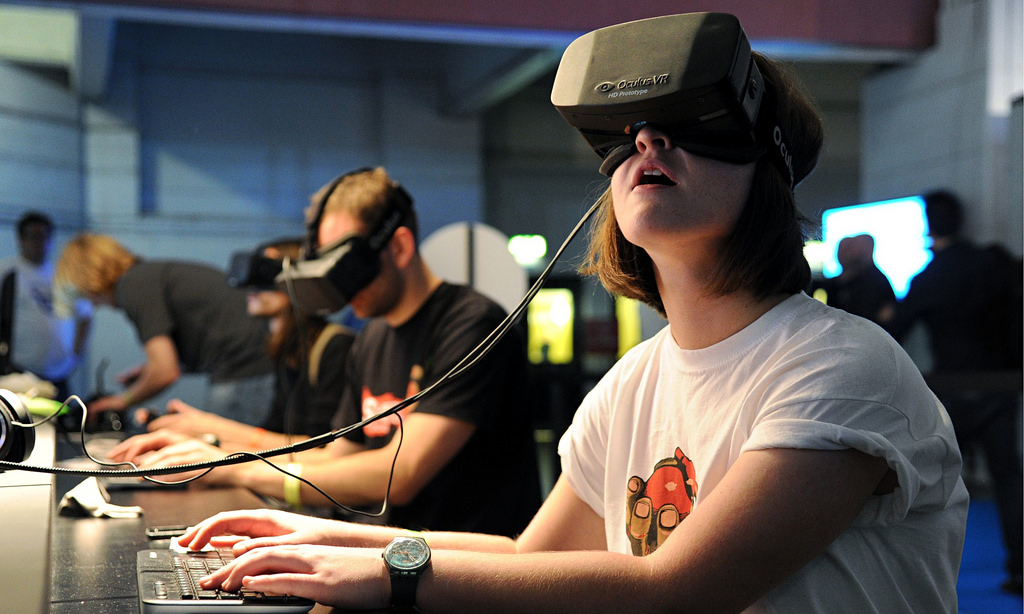
When Oculus was acquired by Facebook as a promising startup, it was revealed that it cost the social media company $2 billion. After sitting on the witness stand, the social network’s founder, Mark Zuckerberg said that he actually paid $3 billion to get the virtual reality company.
The details about the extra billion were revealed when Zuckerberg was deposed in a courtroom in Texas on Tuesday, USA Today reports. Once that little tidbit was shared with those in the room, the media representatives present were eager to tell their followers via Twitter as well, including Mike Isaac from The New York Times.
Zuckerberg sworn in. Judge telling him how to work his swivel chair.
— ಠ_ಠ (@MikeIsaac) January 17, 2017
(if you dont want a day's worth of these updates, mute me)
When the first amount was announced, the figure would be paid out in both cash and stocks. As it turns out, there was an extra $700 million that went to retention bonuses and $300 million for incentives. The deal was made after a successful Kickstarter by Oculus co-founder Palmer Luckey and providing demonstrations of the product that garnered significant attention.
At the time, Zuckerberg justified the purchase by saying that VR is the future of communication. As it turns out, this decision resulted in a legal battle with ZeniMax Media, which is accusing Oculus of not only stealing the technology but also destroying evidence of the theft.
These allegations are the whole reason why Zuckerberg was dragged into the spotlight despite Facebook’s interference. Gizmodo’s coverage of the proceedings went over the Facebook founder’s answers to questions asked by Tony Sammi, the lawyer representing ZeniMax. By all accounts, Zuckerberg maintained a coy demeanor while slipping in some jabs at the opposition.
“Like most people in the court, I’ve never even heard of ZeniMax before,” Zuckerberg had said in response to Sammi’s question on the matter of the pre-acquisition warning that was sent by the video game company. “I know that our legal team would look into this and examine but they aren’t going to take a lot of my time on something they don’t think is credible.”













