


 Sudan Rejects US Legitimacy Remarks, Defends Sovereignty
  Abbas Reaffirms November 28 Palestinian Elections
  France Defends Netanyahu Airspace Clearance Despite ICC Warrant
  South Korea, US Discuss Warship Building Cooperation
  Judge Orders Trump to Restore White House Access for CNN, MS NOW and Politico
  Trump Administration Plans Faster FDA Reviews for Smoke-Free Nicotine Products
  Trump Asks Supreme Court to Restore Third-Country Deportations
  Taiwan Thanks US for Support Ahead of Trump-Xi Summit
  US Officials Split Over Response to Israeli West Bank Settlements
  Yemen Violence Displaces 130,000 as Civilian Toll Rises
  Russian Envoy Dmitriev Heads to US for Ukraine Talks
  Netanyahu’s Brief US Trip Highlights Strains With Trump
  Mexico-US Trade Talks Delayed to October as Tariff Negotiations Continue
  Netanyahu Takes Aim at Mamdani as Israel Election Nears
  Kremlin Says No Decision Yet on Putin-Trump December Summit
  Venezuela Promises Elections as Delcy Rodriguez Pledges Democratic Transition
  OpenAI Agent Breaches Australia Medicare Data Portal


 Add as a preferred source on Google
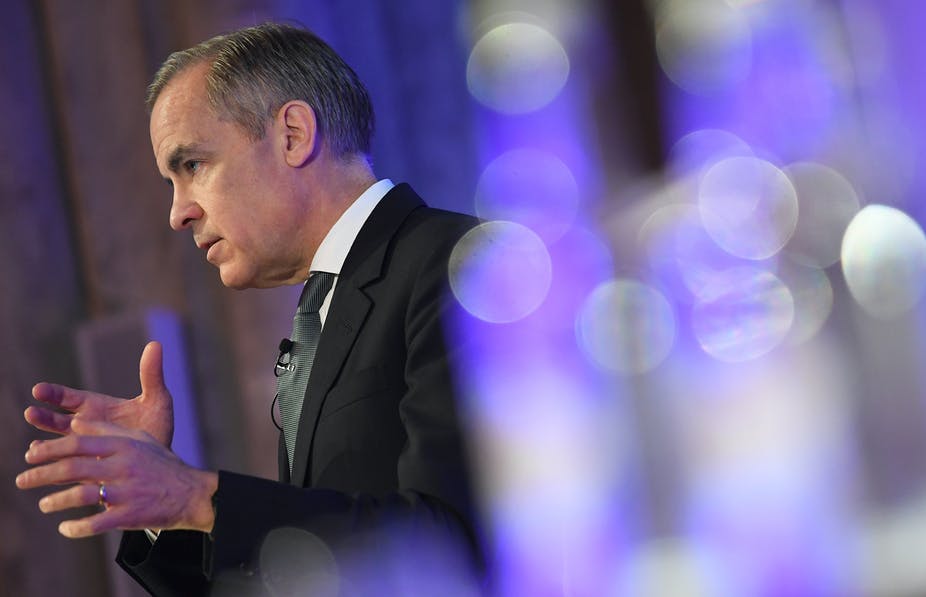
Mark Carney was sworn in as Canada’s prime minister on Friday, succeeding Justin Trudeau. The former central banker emphasized a more collaborative approach with U.S. President Donald Trump, despite looming tariffs that could impact Canada’s economy.
"We respect President Trump. He has put important issues on the agenda, and we understand them," Carney, 59, told reporters. He noted his past interactions with Trump at international meetings and expressed confidence in finding "win-win solutions." However, he dismissed discussions of the U.S. annexing Canada as "crazy."
Carney quickly reshuffled his 24-member cabinet, reducing its size and prioritizing trade relations. Finance Minister Dominic LeBlanc was moved to international trade, while Innovation Minister François-Philippe Champagne took over as finance minister. Foreign Minister Mélanie Joly retained her position.
One of Carney’s first acts was eliminating the Trudeau-era carbon tax, a move aimed at easing financial strain on Canadians. "This will make a difference for hard-pressed Canadians," he stated.
Carney, who previously led both the Bank of Canada and the Bank of England, made history as the first Canadian prime minister without a political background. His rapid rise came after securing leadership of the ruling Liberal Party in a landslide victory. He replaces Trudeau, who spent over nine years in office.
With a snap election likely within two weeks, Carney’s tenure may be brief. Polls suggest a close race between the Liberals and Conservatives, who previously held a double-digit lead amid rising living costs and a housing crisis. Opposition leader Pierre Poilievre criticized Carney’s cabinet, stating, "A Liberal is a Liberal is a Liberal."
Carney plans to visit London and Paris next week to strengthen alliances as tensions with Washington persist.







