


 Trump Says ‘Freedom’ Is Coming to Cuba
  Europe Warns Russia Is Escalating Hybrid Attacks Across NATO
  Kremlin Says No Grounds Yet for Ukraine Peace Talks
  Mexico-US Trade Talks Delayed to October as Tariff Negotiations Continue
  Kremlin Says No Decision Yet on Putin-Trump December Summit
  OpenAI Agent Breaches Australia Medicare Data Portal
  Gaza Faces Evacuation Crisis as War-Damaged Buildings Risk Collapse
  Trump to Press Xi on Release of US Nuclear Expert Held in China
  US Invites Putin to Miami G20, Opening Door to Trump Summit
  Taiwan Vows to Advance US Arms Sales Ahead of Trump-Xi Meeting
  Taiwan Thanks US for Support Ahead of Trump-Xi Summit
  Marco Rubio to Meet Russia’s Lavrov in New York
  Russian Envoy Dmitriev Heads to US for Ukraine Talks
  US, China Extend Trade Truce to Jan. 10 Ahead of Trump-Xi Summit
  Trump Board of Peace Unveils $2.45 Billion Gaza Recovery Plan
  Russian Strikes Kill Eight Across Ukraine as Energy Sites Hit
  Macron Challenges Trump’s Gaza Peace Claims at UN


 Add as a preferred source on Google
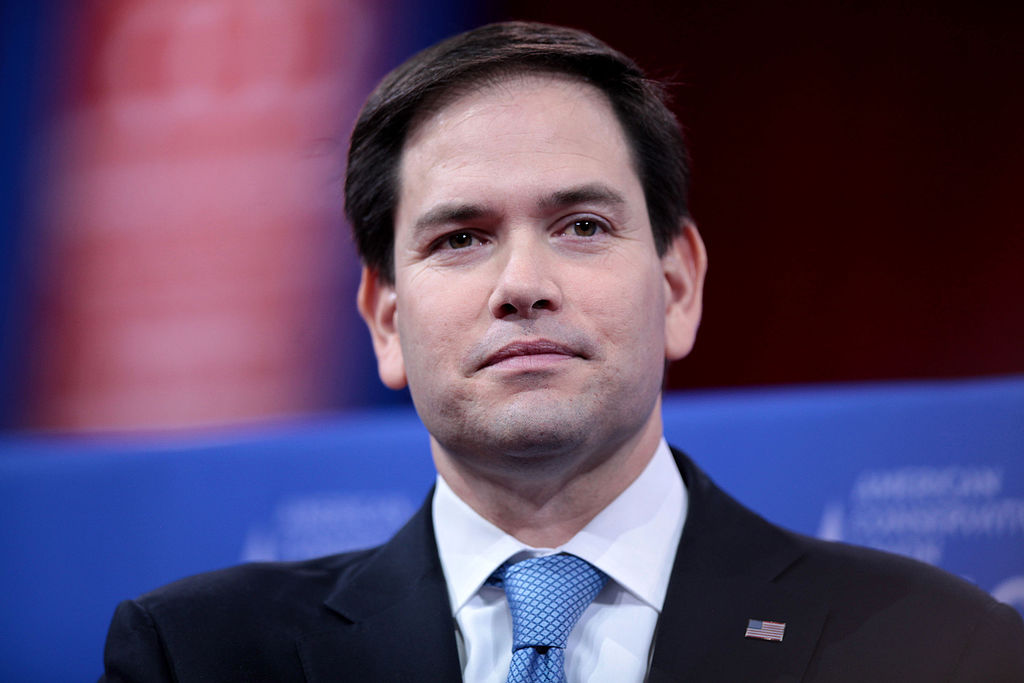
U.S. Secretary of State Marco Rubio will not attend the upcoming G20 foreign ministers' meeting in South Africa, the State Department confirmed Wednesday. The decision comes just days after President Donald Trump warned of potential funding cuts to the African nation.
The high-level summit, scheduled for February 20-21 in Johannesburg, is expected to address global economic challenges, international security, and diplomatic cooperation among the world's largest economies. Rubio’s absence raises questions about the Biden administration’s stance on U.S.-Africa relations, particularly in light of recent geopolitical tensions.
Trump’s remarks about cutting aid to South Africa have added to the uncertainty surrounding U.S. engagement with African nations. His administration has been vocal about reassessing foreign assistance, citing concerns over governance and policy differences. South African officials have yet to respond to the latest developments.
While other top diplomats from G20 nations will convene in Johannesburg, the U.S. will likely send a lower-ranking representative in Rubio’s place. The meeting comes at a critical time as nations navigate economic slowdowns, trade disruptions, and geopolitical shifts.
Rubio’s absence signals potential shifts in U.S. foreign policy, which could impact diplomatic ties and future collaboration on key issues such as trade, security, and economic development. Observers will be watching closely to see how South Africa and other G20 members react to Washington’s latest move.
With the G20 summit set to proceed without the top U.S. diplomat, global leaders will have to navigate discussions without direct input from Washington’s highest-ranking foreign policy official. The outcome could influence future international negotiations and U.S. relations with emerging markets, particularly in Africa.







