


 Yemen Violence Displaces 130,000 as Civilian Toll Rises
  Ghana Says Western Support Growing for Slave Trade Reparations
  Judge Orders Trump to Restore White House Access for CNN, MS NOW and Politico
  Australia Tightens Student Visa Rules, Targets Migration Cut by 2028
  Gold Prices Fall as Treasury Yields Rise on Fed Rate Hike Bets
  US Backs Musk in Fight Against EU’s €120 Million X Fine
  South Korea, US Discuss Warship Building Cooperation
  Taiwan Thanks US for Support Ahead of Trump-Xi Summit
  US Immigration Arrests Surge as Deportations Lag Behind
  Asian Stocks Fall as Bond Yields Surge Ahead of Trump-Xi Summit
  Asian Currencies Mixed as Dollar Holds Near Two-Month High
  Appeals Court Rejects Trump Third-Country Deportation Policy
  U.S. Imposes New Visa Restrictions Over South Africa Policies
  US Bans Canadian Alcohol, Motorcycles as Trade War Escalates
  Australia Unemployment Hits Five-Year High Despite Strong Jobs Growth
  Saudi Arabia, Turkey and Pakistan Plan Urgent Defence Talks Over Houthi Attacks
  Synthetic data could ease people’s concerns about privacy breaches. But who gets to create it?


 Add as a preferred source on Google
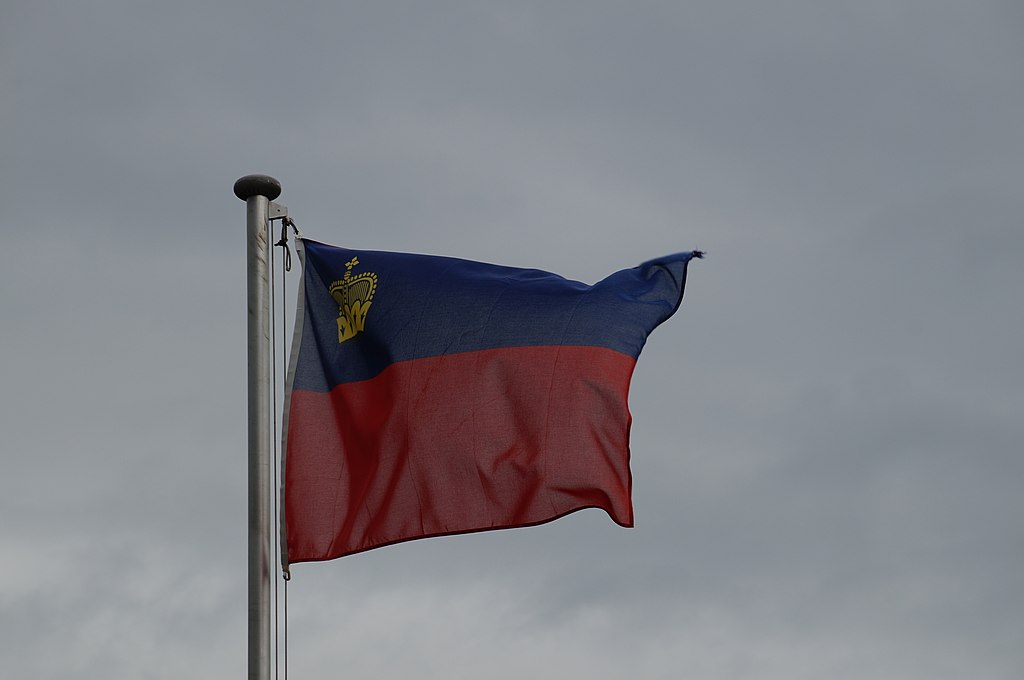
Liechtenstein is tightening oversight of hundreds of Russian-linked trusts left unmanaged after their directors resigned under mounting U.S. sanctions pressure. According to sources familiar with the matter, the small Alpine nation—known for its low-tax financial structures—is facing heightened scrutiny due to its historical role as a haven for foreign wealth.
Since Russia’s invasion of Ukraine, the U.S. Treasury has sanctioned several Liechtenstein-based trusts tied to Russian oligarchs, including Vladimir Potanin and Gennady Timchenko. Fearing similar penalties, many directors have stepped down from managing these entities, leaving nearly 475 trusts in administrative limbo.
A government official stated that 350 trusts are undergoing reappointment of managers, 40 are being liquidated, and efforts to appoint liquidators to 85 others have failed. While not all trusts are directly tied to sanctioned individuals, the mass resignations have immobilized significant assets, including luxury properties and yachts—assets that remain beyond Russia’s immediate reach.
This development strikes at the heart of Liechtenstein’s trust industry, a key pillar in its $930 billion financial sector. Local banks are also impacted, with concerns growing that U.S. action could sever access to dollar markets, triggering wider economic repercussions.
Liechtenstein, governed by a royal family and closely tied to Switzerland, is now considering centralizing oversight of deserted trusts and enhancing regulation. The move reflects ongoing U.S. pressure despite President Trump’s prior signals of potential sanctions relief. Authorities have assured that no trust assets will be released to blacklisted individuals.
Once home to 80,000 tax shelters, Liechtenstein now hosts about 20,000 trusts—roughly one for every two residents. The latest turmoil marks the nation’s biggest financial credibility challenge since a 2008 tax scandal involving LGT Bank. International cooperation and regulatory reform remain key to safeguarding its reputation.







