


 The Beauty Beneath the Expressway: A Journey from Self to Service
  Booked to travel through the Middle East? Here’s why you shouldn’t cancel your flight
  Can your cat recognise you by scent? New study shows it’s likely
  Columbia Student Mahmoud Khalil Fights Arrest as Deportation Case Moves to New Jersey
  Stuck in a creativity slump at work? Here are some surprising ways to get your spark back
  Every generation thinks they had it the toughest, but for Gen Z, they’re probably right
  Britain has almost 1 million young people not in work or education – here’s what evidence shows can change that
  Want to cut your energy bills? Here’s how five experts are doing it
  Why a ‘rip-off’ degree might be worth the money after all – research study
  Time to buy local: war fuel price shocks reveal the folly of a long food supply chain
  The ghost of Robodebt – Federal Court rules billions of dollars in welfare debts must be recalculated
  Google promotes ‘teacher approved’ apps for kids. Here’s what parents should know
  Heritage, desire and diplomacy: why China still values scotch whisky
  The American mass exodus to Canada amid Trump 2.0 has yet to materialize
  Disaster or digital spectacle? The dangers of using floods to create social media content
  Office design isn’t keeping up with post-COVID work styles - here’s what workers really want


 Add as a preferred source on Google
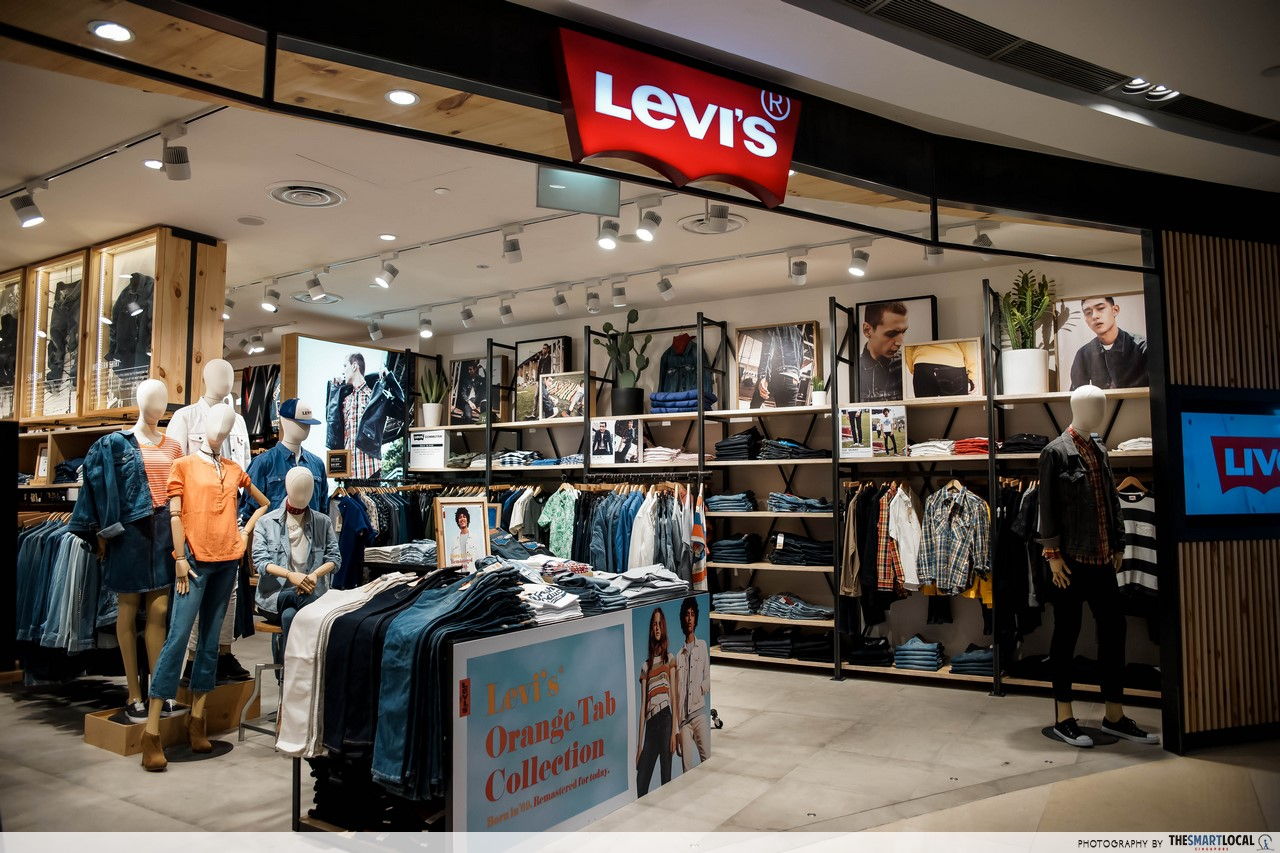
Levi’s has unveiled a new flagship store in Singapore, which takes over 3400 sqft of Ion Orchard shopping complex.
The opening of the new store, its largest in Southeast Asia, brings Levi’s store count in Singapore to 24.
The Ion Orchard site surpassed Levi's concept store in Indonesia to become the brand's biggest outlet in the region.
The flagship offers a full selection of Levi’s apparel, including Vintage Clothing and Made & Craft.
It is also the brand’s first store in Singapore to feature the Tailor Shop service, allowing customers to customize denim pieces, ranging from hems or tapers to chain stitching and embroidery services.
Nuholt Huisamen, MD and senior VP at Levi Strauss & Co East Asia Pacific, noted that Singapore is a key market for them and that the new store lets them offer elevated brand experiences for consumers – both online and offline.
The brand's "Next Gen" design philosophy guided the opening of the flagship store in Indonesia last year.
With around 3100 retail outlets and shop-in-shops worldwide, Levi Strauss & Co. generated net sales of $5.8 billion last year.







