


 Ghana Says Western Support Growing for Slave Trade Reparations
  Kremlin Says No Decision Yet on Putin-Trump December Summit
  Trump, Xi Focus on Trade and AI at White House Summit
  Russian Envoy Dmitriev Heads to US for Ukraine Talks
  Mexico-US Trade Talks Delayed to October as Tariff Negotiations Continue
  Venezuela Promises Elections as Delcy Rodriguez Pledges Democratic Transition
  Netanyahu Takes Aim at Mamdani as Israel Election Nears
  US Officials Split Over Response to Israeli West Bank Settlements
  France Defends Netanyahu Airspace Clearance Despite ICC Warrant
  Trump Asks Supreme Court to Restore Third-Country Deportations
  South Korea, US Discuss Warship Building Cooperation
  Taiwan Thanks US for Support Ahead of Trump-Xi Summit
  Netanyahu’s Brief US Trip Highlights Strains With Trump
  Russian Missile and Drone Attack on Kyiv Kills Two, Damages Maternity Hospital
  OpenAI Agent Breaches Australia Medicare Data Portal
  Judge Orders Trump to Restore White House Access for CNN, MS NOW and Politico
  North Korea Rejects Nuclear Test Warning, Calls Nuclear Status Irreversible


 Add as a preferred source on Google
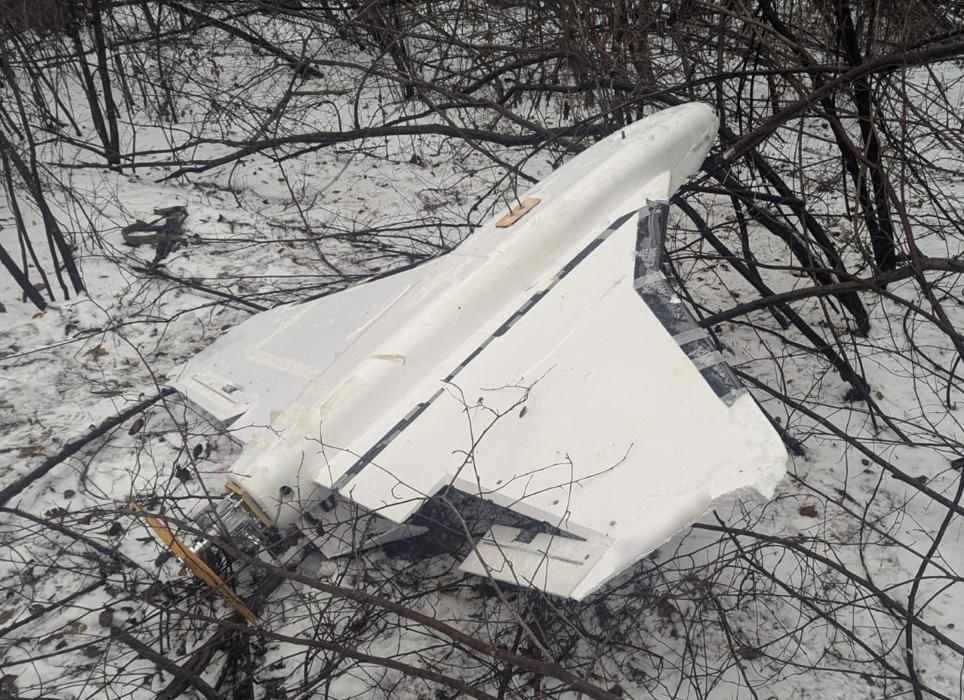
Recent Ukrainian drone incursions into Baltic airspace have increased regional tensions and raised new concerns about NATO security near Russia’s borders. The incidents come as Ukraine intensifies long-range drone attacks against Russian energy infrastructure, particularly Baltic ports responsible for a significant share of Russia’s oil and gas exports.
Lithuania, Latvia, and Estonia confirmed that several drones entering their airspace were Ukrainian, but officials argue that Russian electronic warfare systems likely disrupted the drones’ navigation. Russia and Ukraine continue to rely heavily on jamming and spoofing technology to interfere with enemy aircraft and missile systems during the ongoing conflict.
The Baltic nations, all strong supporters of Ukraine and NATO members, rejected Russian claims that they are assisting Kyiv in launching attacks from their territory. Estonian Foreign Minister Margus Tsahkna accused Moscow of attempting to divide Western allies and pressure Ukraine into halting its drone operations.
Security concerns have grown after a NATO fighter jet intercepted and destroyed a suspected Ukrainian drone in Estonian airspace on May 19. Lithuanian lawmakers also briefly took shelter after another drone approached Vilnius. Officials warned that even unintended drone incidents could threaten civilian safety and expose weaknesses in regional air defense systems.
Lithuanian defense authorities stated that the growing sophistication of Ukrainian drone warfare has increased risks along NATO’s eastern border. Some drones reportedly crossed into Baltic territory undetected, fueling criticism over insufficient air defense preparedness. In Latvia, political pressure intensified after the prime minister blamed defense failures for inadequate protection measures.
Ukraine denied allegations that it intentionally uses Baltic airspace as a shield against Russian retaliation. Ukrainian officials instead accused Russia of deliberately redirecting drones toward neighboring NATO countries through electronic interference.
Analysts warn that continued drone incidents could trigger dangerous misunderstandings between NATO and Russia. Despite heightened rhetoric from Moscow, Baltic officials maintain that Russia’s statements are mainly intended to intimidate Western allies while masking difficulties in countering Ukraine’s expanding drone capabilities.







