


 Glastonbury is as popular than ever, but complaints about the lineup reveal its generational challenge
  Want to cut your energy bills? Here’s how five experts are doing it
  OpenAI to Preview GPT-6 Cyber AI Model for Cybersecurity
  DaVoice Sues Perplexity AI Over Trade Secrets
  3 clinical-grade skincare creams you really shouldn’t buy online
  EQT Plans €1.7 Billion Sale of Parques Reunidos Stake
  Trump Signs Order to Cut Routine Childhood Vaccines
  Eli Lilly Eyes AtaiBeckley Acquisition to Expand Psychedelic Mental Health Pipeline
  Novartis Shares Plunge After Muscle Drug Fails Phase III Trial
  US Judge Dismisses Imran Ahmed Deportation Lawsuit
  OpenAI Agent Breaches Australia Medicare Data Portal
  Stuck in a creativity slump at work? Here are some surprising ways to get your spark back
  AI is driving down the price of knowledge – universities have to rethink what they offer
  Brazil Court Suspends Sigma Lithium Mine Operations
  US Backs Musk in Fight Against EU’s €120 Million X Fine
  France Battles Mediterranean Wildfires as Heatwave Fuels Fire Risk
  Why a ‘rip-off’ degree might be worth the money after all – research study


 Add as a preferred source on Google
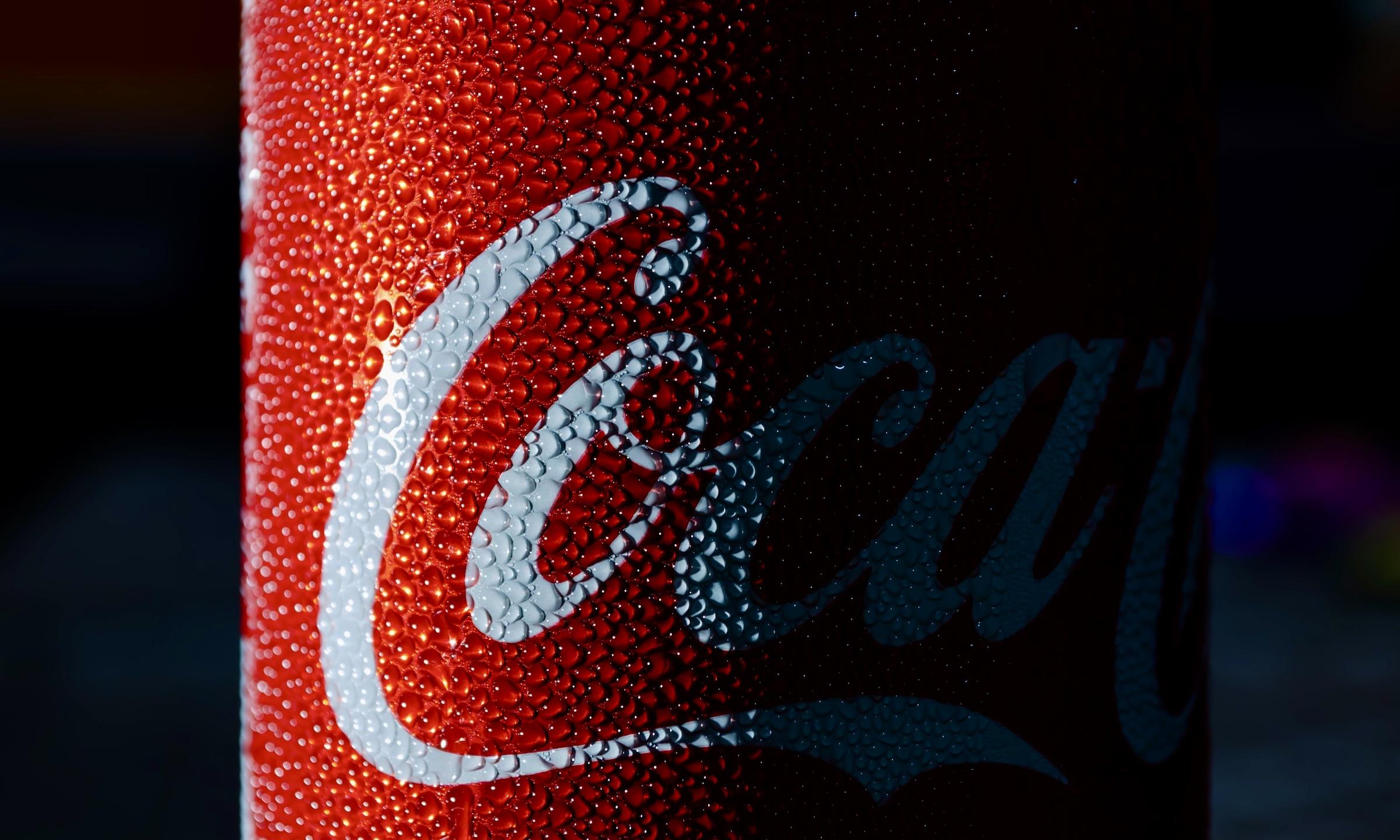
Coca-Cola faces lawsuit over "good for you" Minute Maid juice claims. U.S. District Judge questions health implications while FDA lacks sugar intake guidelines. The outcome could reshape industry advertising standards.
Reynolds, who says fruit juices increase the risk of heart disease and type 2 diabetes, argues that Coca-Cola exploits and perpetuates the misperception that juice is healthy by marketing and labeling its Minute Maid juice boxes as being "Good for You!" and "Part of a Healthy, Balanced Diet." The company sought to dismiss the claims in a recent hearing.
During the hearing, Steven Zalesin, an attorney representing Coca-Cola, pointed out that the "good for you" claims on the juice boxes were part of implied and explicit nutrient claims allowed under FDA rules. Zalesin claimed that the messaging was not misleading as the packaging explicitly mentions zero added sugar and the presence of vitamin C, with accompanying information on its health benefits.
However, U.S. District Judge Vincent Chhabria appeared skeptical of Coca-Cola's arguments, suggesting that the messaging on the packaging implies that the juice actively contributes to a healthy diet. Zalesin countered with the U.S. Department of Health and Human Services and the Department of Agriculture's position that 100% fruit juice without added sugars can be part of a healthy dietary pattern.
Chhabria raised concerns that consumers might interpret the pictures of fruit on the juice box as indicating that drinking the juice is as healthy as eating fruit. Paul Joseph, counsel to the plaintiff, argued that using the word "healthy" to advertise a product should be subject to higher standards.
The lawsuit raises important questions about the health claims made by food and beverage manufacturers. The FDA's absence of guidelines on "maximum or correct" daily sugar intake complicates the case. The final decision will shape how companies can market and advertise their products based on nutrient content claims.
As the legal battle continues, consumers remain wary of such claims and the overall impact on their health. With increasing awareness of the potential risks associated with consuming fruit juice, the outcome of this case could have significant implications for the industry.
Photo: himanshu Chaudhary/Unsplash







