


 Booked to travel through the Middle East? Here’s why you shouldn’t cancel your flight
  How to create a thriving forest, not box-checking ‘tree cover’
  Yes, government influences wages – but not just in the way you might think
  Parasites are ecological dark matter – and they need protecting
  Want to cut your energy bills? Here’s how five experts are doing it
  Novo Nordisk Strikes €1.17 Billion Nanexa Drug Delivery Deal
  Why a ‘rip-off’ degree might be worth the money after all – research study
  Jeff Bezos Invests $32 Billion in Blue Origin as Space Firm Targets Major Growth
  Erste Group Plans Tender Offer to Boost Poland Bank Stake
  Unsustainable – or manageable? We don’t yet know how data centres will impact Australia’s environment
  The American mass exodus to Canada amid Trump 2.0 has yet to materialize
  Rice feeds billions of people – but its role in fueling climate change is growing
  Costco Revenue Beats Estimates as Inflation Drives Bulk Shopping
  Rise of the Zombie Bugs takes readers on a jaw-dropping tour of the parasite world
  Locked up then locked out: how NZ’s bank rules make life for ex-prisoners even harder


 Add as a preferred source on Google
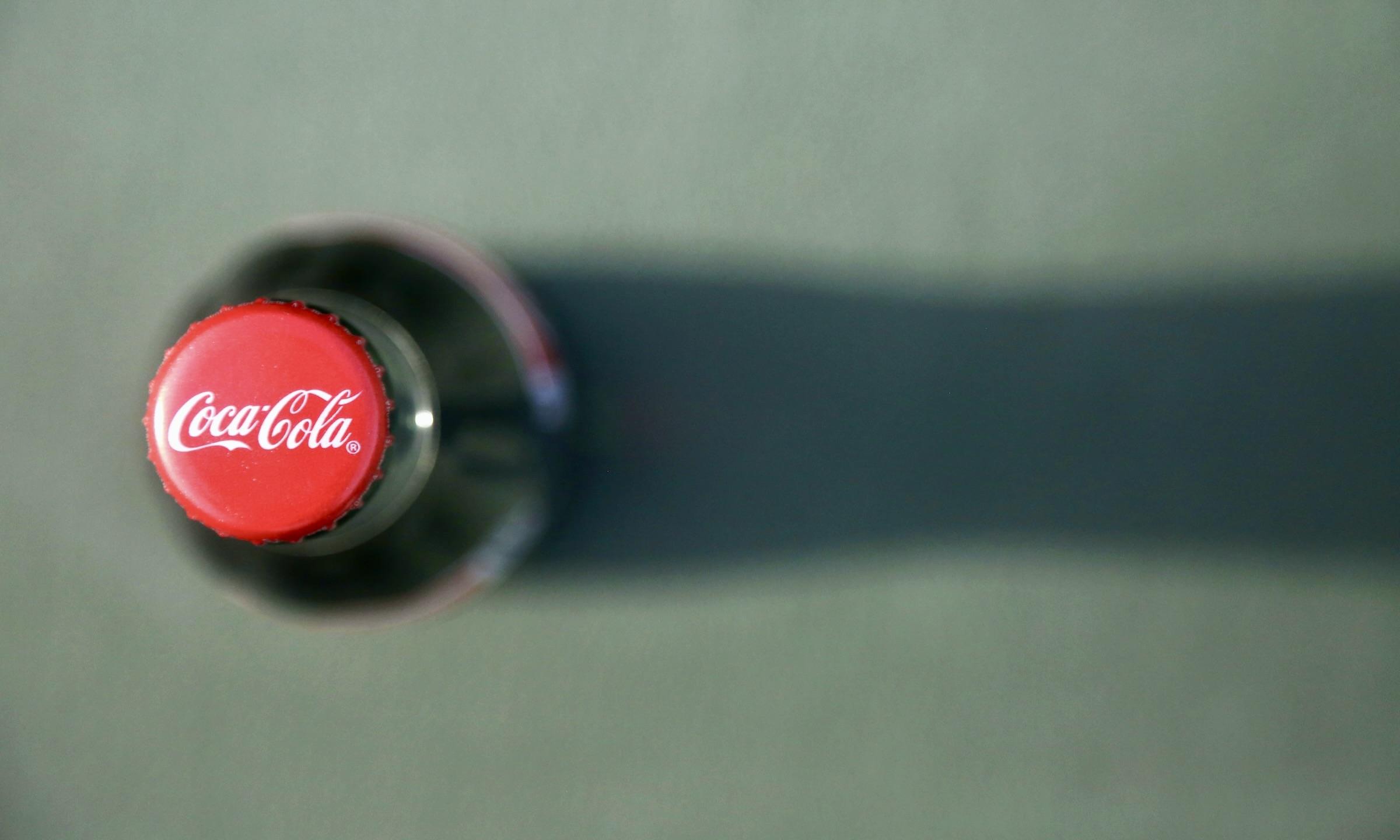
Coca-Cola announces a packaging redesign, attaching bottle caps to its plastic bottles, ensuring complete recyclability in European countries, including the United Kingdom, France, Spain, and others, addressing a key pollution concern.
According to the North Sea Foundation, plastic bottle caps rank among the top five deadliest ocean pollutants. In 30 years, beach cleaning activities have uncovered 20 million bottle caps. These caps significantly threaten sea birds and marine mammals that may ingest them.
While recycling challenges persist, attaching the caps directly to the bottles is expected to reduce the number of unrecycled caps that pollute the ocean. Despite Coca-Cola's claim that all their bottles are 100% recyclable, the caps have not always been included in recycling. This new design change aims to prevent littering and curb the caps' impact on beaches and water sources.
John Woods, the general manager of Coca-Cola Great Britain, expressed his optimism about the impact of this small but crucial change. He stated this is a small change that we hope will have a big impact, ensuring that when consumers recycle our bottles, no cap gets left behind.
The goal aligns with Coca-Cola's commitment to collect and recycle a bottle or can for every one they sell by 2025, contributing towards a World Without Waste. This latest redesign follows previous initiatives aimed at reducing plastic pollution.
In collaboration with Liberty Coca-Cola Beverages, Graphic Packaging eliminated six-pack plastic rings from packaging in the United States. This eco-friendly swap will remove over 34,000 kilograms (75,000 pounds) of plastic packaging from the supply chain annually.
To comply with an EU law specifying that caps and lids remain attached to drinks containers up to 3 liters, Coca-Cola aims to have all bottles in Europe equipped with attached caps by 2024.
Coca-Cola's innovative packaging design change signifies a significant step forward in its sustainable journey. By making recycling easier and reducing the threat of plastic pollution, the company is demonstrating its commitment to creating a greener, cleaner environment for all.
Photo: Giorgio Trovato/Unsplash







