


 GLP-1 Weight-Loss Drug Use Surges Among U.S. Children
  Alcohol is one of the most dangerous drugs, yet its presence is ubiquitous in social settings and celebrations
  AMD Hits $1 Trillion as BofA Raises Price Target to $720
  US-Backed Pediatric HIV Treatment Drops After Foreign Aid Changes, Study Finds
  Novo Nordisk Raises 2025 Outlook Despite Wegovy Pill Miss and CagriSema Setback
  Moderna Wins FDA Approval for mFLUSIVA mRNA Flu Vaccine for Adults 50+
  SoftBank Shares Fall as Oracle Flags Stargate Data Center Delay Risk
  Almonty Industries Shares Jump 8% After Stifel Sets $25 Target
  Novo Nordisk Eyes Turnaround as Oral Wegovy Challenges Eli Lilly in Weight-Loss Drug Race
  Trump Administration Bars U.S. Travelers From Congo Flights Amid Ebola Outbreak
  AstraZeneca Halts Phase III Volrustomig Lung Cancer Trial After Efficacy Setback
  DaVoice Sues Perplexity AI Over Trade Secrets
  Meta Found Liable in New Mexico Facebook Data Privacy Case
  SpaceXAI to Double Nvidia Chips at Colossus 2 by Year-End
  OpenAI Agent Breaches Australia Medicare Data Portal


 Add as a preferred source on Google
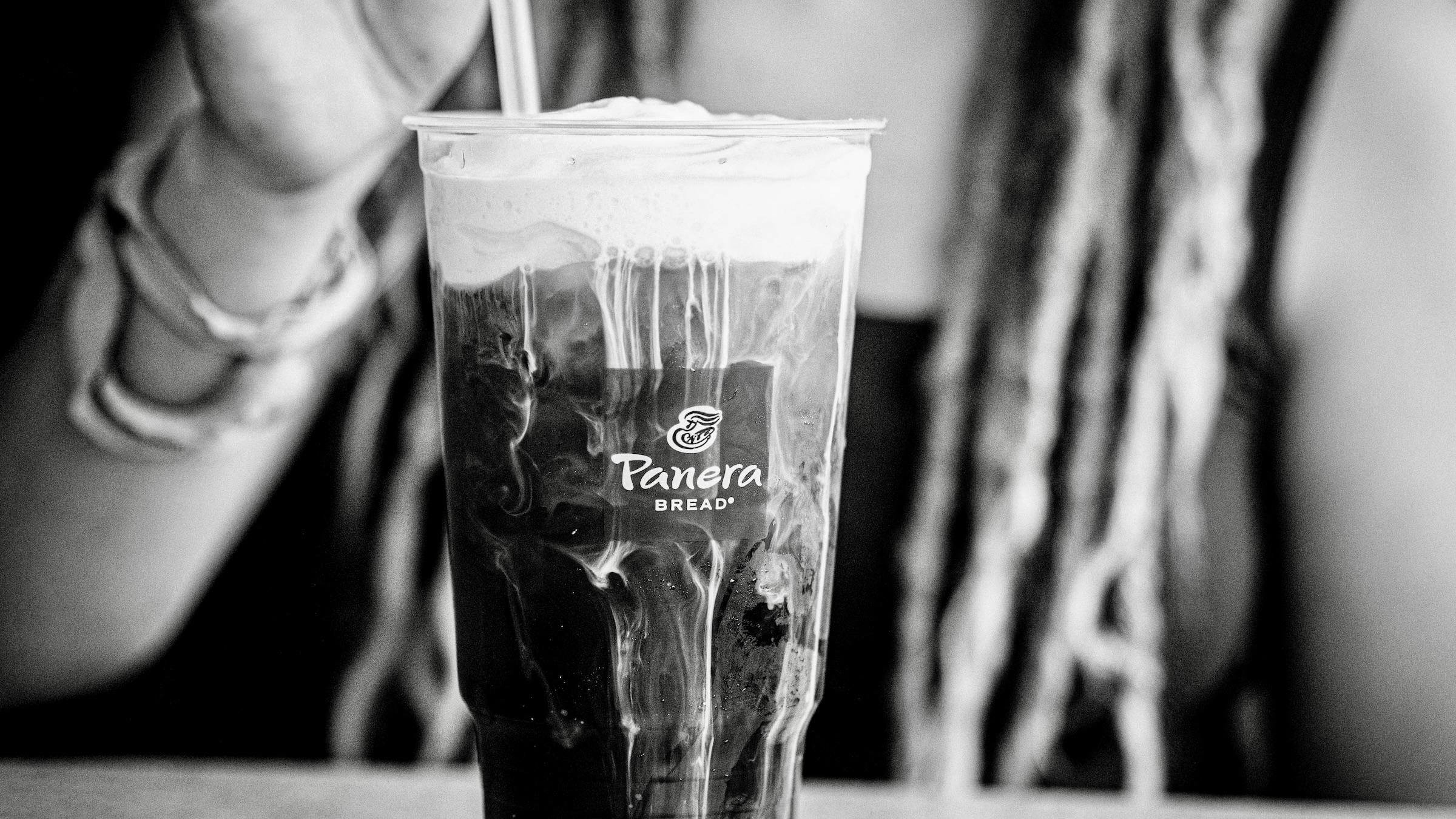
The parents of a 21-year-old woman with a heart condition who died after consuming a heavily caffeinated energy drink at a Panera Bread location have filed a wrongful death suit against the renowned restaurant chain. They alleged that their daughter may have mistaken the beverage for regular lemonade.
The lawsuit, filed in Philadelphia, seeks compensatory and punitive damages, reports CNN.
Medical Examiner's Determination and Pre-Existing Condition
In September 2022, Sarah Katz suffered cardiac arrest after consuming Panera's "Charged Lemonade" while dining with friends. Despite prompt transportation to the hospital, she experienced a second arrest and ultimately succumbed to her condition.
According to the autopsy report obtained from a reliable source, the cause of death was attributed to cardiac arrhythmia resulting from long QT syndrome (LQTS). Sarah had been diagnosed with LQTS at a young age and managed her symptoms through medication and caffeine restriction, the lawsuit specifies, according to NBC.
Misleading Marketing and Inadequate Labeling
Many energy drinks contain substantial amounts of caffeine, added sugars, B vitamins, and other legal stimulants. Panera's "Charged Lemonade" is no exception, with ingredients like sugar, caffeine, coffee extract, and guarana extract, all of which contribute to its caffeine content.
The lawsuit contends that Panera failed to appropriately label the "Charged Lemonade" as an energy drink, causing significant consumer confusion. Panera's marketing materials touted the product as "Plant-based and Clean with as much caffeine as our Dark Roast Coffee." However, details regarding the equivalence between the Dark Roast coffee and the Charged Lemonade were omitted, leading to ambiguity and misinformation.
Online, Panera claims that its "Charged Lemonade" contains a comparable level of caffeine to its Dark Roast coffee. A large-sized Charged Lemonade served in a 30-ounce cup packs approximately 390 mg of caffeine.
The U.S. Food and Drug Administration recommends a daily caffeine intake of up to 400 milligrams for healthy adults, equating to around four or five cups of coffee.
Uncontrolled Caffeine Content in In-House Mixing
Panera's "Charged Lemonade" is prepared in-house by store employees, implying a lack of control over its caffeine content. This unregulated preparation method presents inherent dangers and the potential for considerable variation, making it difficult for consumers to assess their caffeine intake accurately.
Legal Action for Greater Responsibility
The lawsuit against Panera aims to seek justice for Sarah Katz and prompt responsible marketing practices across the industry.
"We want to make sure that the drink includes a warning, or is taken off the shelf," Elizabeth Crawford, the attorney representing Katz's parents, said. "It's a dangerous energy drink and it's not advertised that way. We want to make sure this does not happen to someone else."







