


 Norma Group Posts Revenue Decline in 2025, Eyes Modest Recovery in 2026
  Novartis to Acquire Biotech Firm Excellergy in $2 Billion Deal
  Russell 1000 Companies Hit $2.2T Cash Record While Aggressively Reinvesting in Growth
  Eli Lilly and Insilico Medicine Forge $2.75 Billion AI-Driven Drug Discovery Deal
  Unilever and Magnum Face Defamation Lawsuit Over Ben & Jerry's Board Chair Dismissal
  Brown-Forman and Pernod Ricard in Merger Talks to Create World's Largest Spirits Giant
  Bank of America's $72.5M Epstein Settlement: What You Need to Know
  KPMG UK Cuts 440 Audit Jobs Amid Low Attrition and Cooling Professional Services Demand
  RBC Capital: European Medtech Firms Show Minimal Middle East and Energy Risk Exposure
  Nomura Upgrades PDD Holdings to Buy, Calls Stock Too Cheap to Ignore
  Jefferies Upgrades Sodexo to Buy With €55 Target After Historic CEO Appointment
  McDonald's and Restaurant Brands International Face Headwinds Amid Iran Conflict and Rising Costs
  TSMC Japan's Second Fab to Produce 3nm Chips by 2028
  Apple Turns 50: From Garage Startup to AI Crossroads
  SMIC Allegedly Supplies Chipmaking Tools to Iran's Military, U.S. Officials Warn
  SoftwareONE Posts 22.5% Revenue Surge in 2025 on Crayon Acquisition
  BlackRock CEO Larry Fink Earns $37.7 Million in 2025 Amid Record Growth


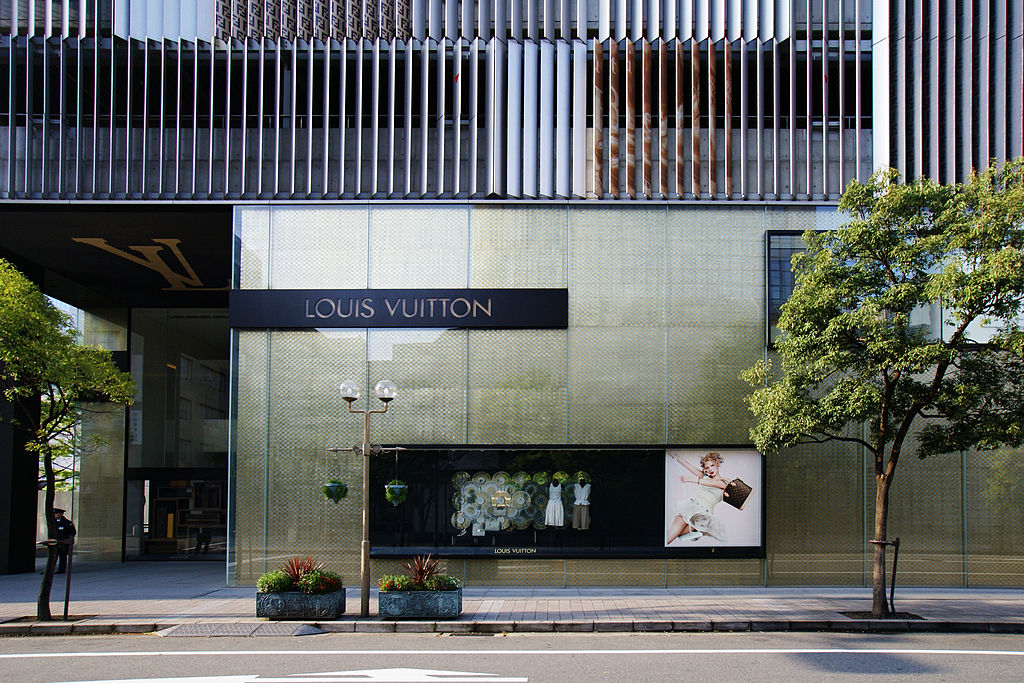
Investors are closely watching LVMH’s upcoming annual results as expectations build that the world’s largest luxury group may finally be emerging from a prolonged slowdown. While there is cautious optimism around improving demand—especially from China—shareholders are also calling on CEO Bernard Arnault to take bolder steps to re-engage consumers who have grown wary of steep price increases across luxury goods.
LVMH shares surged in October after early signs of a rebound in Chinese luxury spending, fueling an $80 billion rally across the global luxury sector. However, those gains have largely evaporated, with LVMH stock down about 9% since the start of the year amid broader market tensions, including geopolitical strains between Europe and the United States. This volatility has left investors weighing whether the luxury recovery is sustainable or merely temporary.
Market participants expect LVMH to report a slight 0.3% decline in fourth-quarter organic sales, excluding currency effects. Analyst forecasts suggest operating profit in 2025 could fall to around 17.15 billion euros, down from 19.57 billion euros a year earlier. Several investors believe the explosive post-pandemic growth that nearly doubled fashion and leather goods revenue between 2019 and 2023 is unlikely to return.
With consumers increasingly price-sensitive, LVMH and its peers are shifting focus toward so-called aspirational luxury shoppers. These customers have been gravitating toward more accessible brands such as Coach and Ralph Lauren, forcing luxury giants to rethink pricing strategies. Most major luxury groups, excluding Hermès, are expected to keep price increases below 2% this year, relying instead on higher sales volumes to drive growth.
Competition is also intensifying in China, long considered the engine of global luxury growth. Domestic brands like Bosideng, Songmont, and Laopu Gold are gaining traction, challenging Western dominance. In response, LVMH is expanding into beauty products and accessories to attract younger and more budget-conscious consumers. Louis Vuitton’s new beauty line and its popular bag charms, inspired by collectible figurines, aim to draw shoppers back into stores while offering lower entry price points.
As LVMH navigates slowing luxury demand, rising competition, and evolving consumer behavior, investors will be looking for clear signs that the group can balance exclusivity with accessibility and reignite long-term growth in the global luxury market.







