


 Aviva First-Half Operating Profit Jumps 24% as Direct Line Deal Boosts Growth
  Wall Street Hits Record High as Softer Inflation Data Eases Fed Rate Hike Fears
  Gold Prices Slip From 10-Week High as Fed and Hormuz Risks Shape Outlook
  Canada, US Hold Fresh Trade Talks as August 19 Tariff Deadline Nears
  European Stocks Steady as U.S.-Iran War, Euro Zone Data Keep Investors Cautious
  Yes, government influences wages – but not just in the way you might think
  Canada-US Trade Talks Gain Momentum Ahead of Aug. 19 Tariff Deadline
  Google promotes ‘teacher approved’ apps for kids. Here’s what parents should know
  Can your cat recognise you by scent? New study shows it’s likely
  Cisco Forecasts Strong Fiscal 2027 Growth as AI Networking Demand Surges
  Glastonbury is as popular than ever, but complaints about the lineup reveal its generational challenge
  Columbia Student Mahmoud Khalil Fights Arrest as Deportation Case Moves to New Jersey
  Trump Imposes New US Tariffs on Drone Imports Over National Security Concerns
  Antofagasta Shares Drop 5% as Miner Cuts 2026 Copper Production Forecast
  Bernstein Picks BYD and Xiaomi as Top China EV Stocks Despite Weaker Demand


 Add as a preferred source on Google
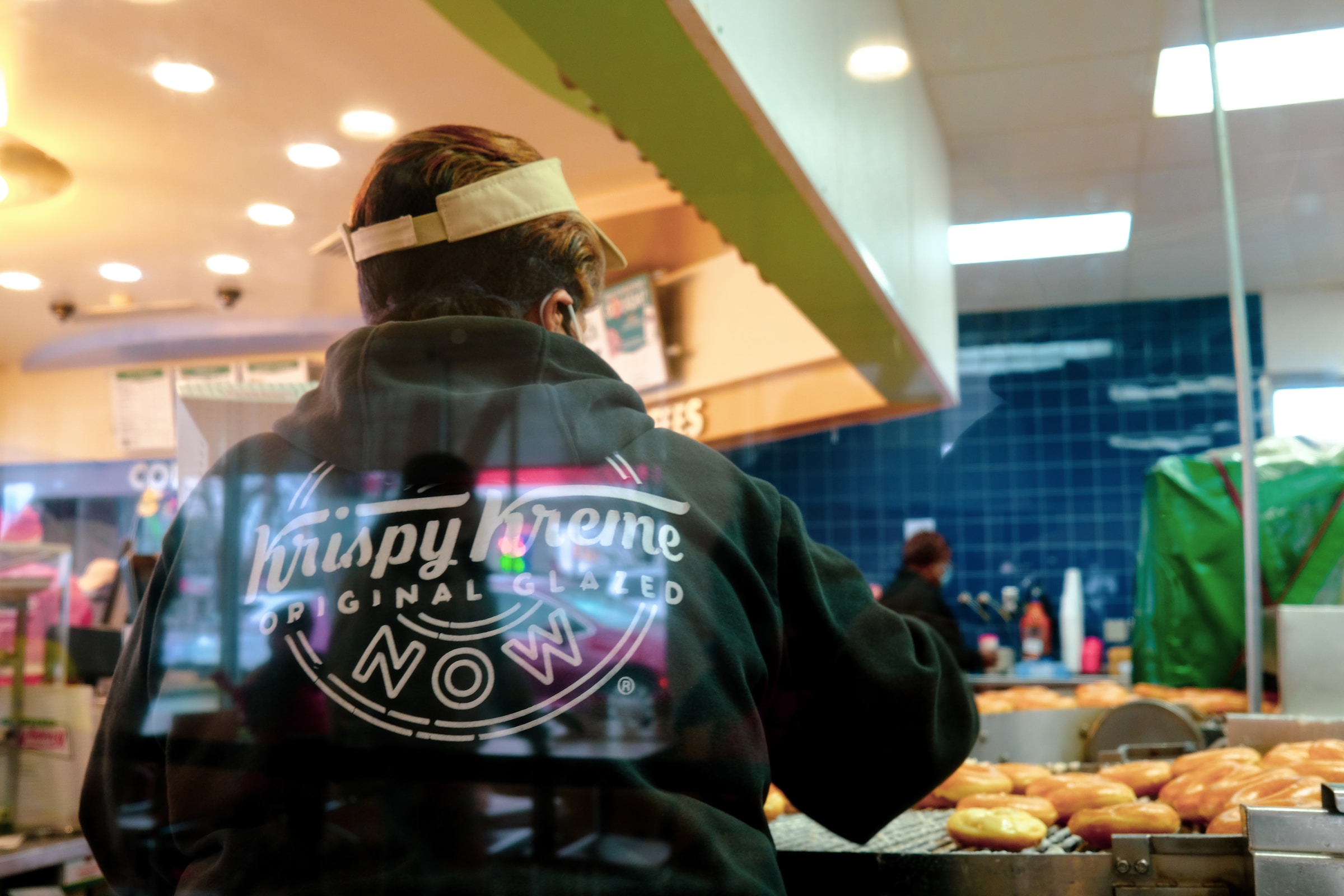
Krispy Kreme's pilot with 160 McDonald's outlets in Kentucky has showcased its potential for serving fast-food chains and the promise of soaring sales. With the success of the drive-thru feature, Krispy Kreme's CFO, Josh Charlesworth, is optimistic about forging a broader partnership.
Even better, these McDonald's locations have drive-thrus, adding to the convenience for customers. Based on this success, Charlesworth expressed confidence in expanding their partnership with McDonald's to more locations.
However, while the test has been successful, it also highlights Krispy Kreme's limitations. The chain doesn't have unlimited hubs where they make and deliver doughnuts to what they call "DFD doors" (points of access with a limited selection of doughnuts). There are whole markets in the U.S. without Krispy Kreme's presence, which may affect the feasibility of a national rollout with McDonald's alone.
As a result, Krispy Kreme is considering expansion beyond just the McDonald's test. They want to sell their doughnuts in more locations nationwide, but this requires increasing their doughnut-making capacity in different regions. Charlesworth recognizes that with their growth rate in various channels, such as QSR, grocery, convenience, and club, they must plan for future expansion.
One possible solution to meet this increased demand is optimizing their existing hubs by adjusting operating hours, doughnut processing, packing layouts, and delivery windows. Krispy Kreme currently has 225 hubs in the U.S. and 45 franchisee-owned locations that could contribute to the production process. With strategic improvements, Charlesworth believes they could potentially double the number of doors their hubs serve.
However, compared to McDonald's 13,500 locations, it's clear that Krispy Kreme still has room to grow. Charlesworth suggests adding 8,000 to 10,000 DFD doors over time with a 10% to 15% increase in hubs. Additionally, the company is evolving its hubs into more efficient production facilities.
In the second quarter, Krispy Kreme experienced a revenue growth of 9%, driven in part by expanding their points of access to include 462 new locations. Their partnerships with renowned restaurants and retailers like McDonald's, Amazon, and Costco have significantly influenced this growth.
Photo: Ravi Palwe/Unsplash







