


 Volvo Cars Plans 13 New Models by 2030 to Boost Sales
  Trump Plans Federal AI Force and AI Czar
  Telix to Acquire Germany’s ITM in $1.65 Billion Radiopharma Deal
  Meta CEO Zuckerberg Backs Independent AI Safety Reviews Over Development Slowdown
  Hyundai CEO Warns Chinese Automakers Could Disrupt US Market
  US Federal Register Drops Alibaba Qwen AI Search Tool
  Westinghouse Targets $50 Billion Valuation in U.S. IPO
  Big AI wants to slow down AI research. Is it a safety pause or a strategic retreat?
  Nvidia CEO Jensen Huang Expected at Trump-Xi State Dinner
  OpenAI Urges US-Led Global Standards for Frontier AI
  Who should own the knowledge that underpins AI technology?
  SK Hynix, Intel Discuss U.S. Memory Chip Production Deal
  Physicists zoom into the birth of cosmic rainstorms with new CERN study
  SoftBank Launches $11 Billion Bond Sale to Fund OpenAI Investment
  Paramount Skydance Faces $30 Million Film Penalty in Warner Bros. Deal
  SpaceX Nasdaq 100 Weight to More Than Double in Rebalance
  US Northeast Airports Resume Operations After Telecom Outage Disrupts Thousands of Flights


 Add as a preferred source on Google
A Kia EV6 and Hyundai Ioniq 5 were recently observed charging at a Tesla Supercharger, suggesting native NACS support could be on the horizon.
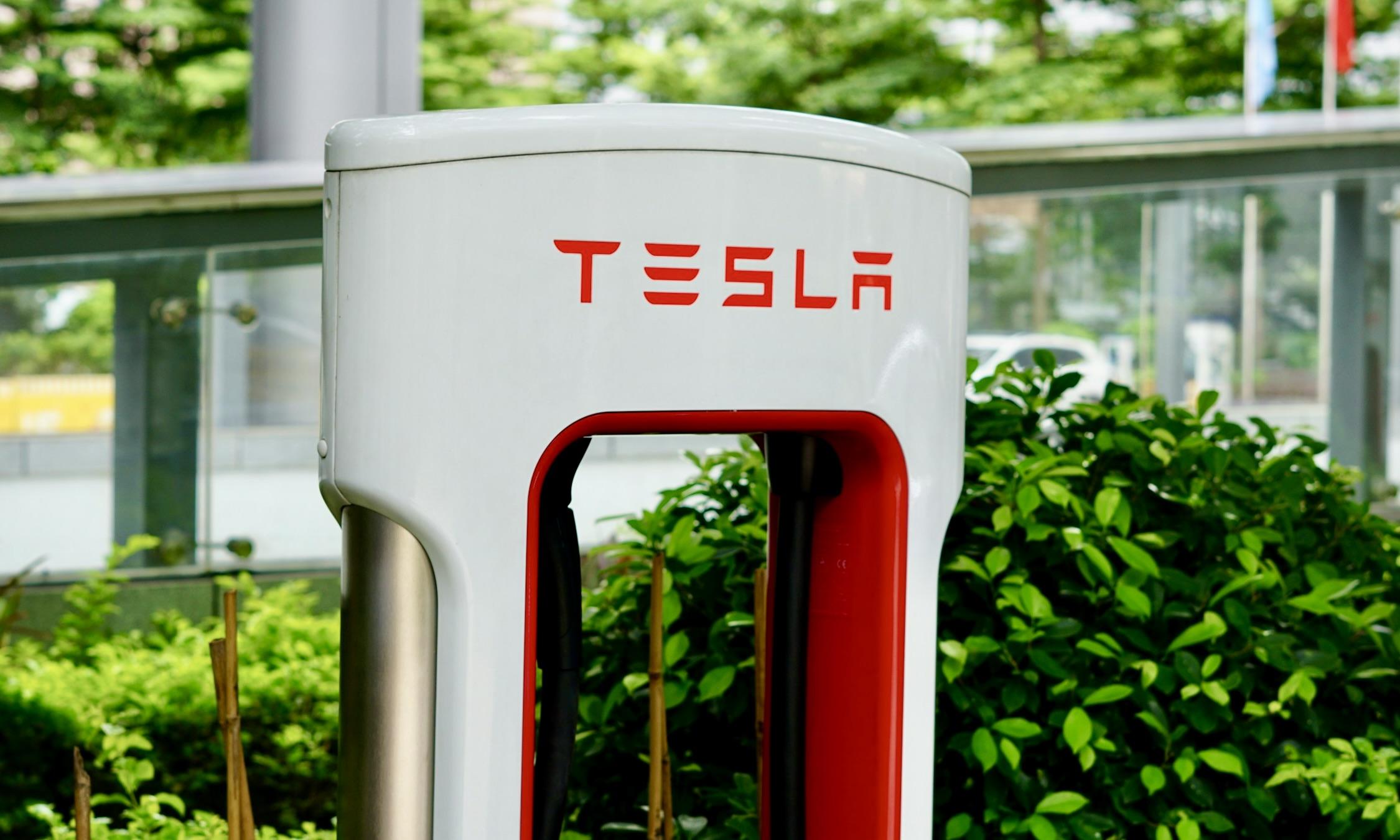
Hyundai and Kia Seen Charging at Tesla Supercharger
Using a native NACS port to charge, a Hyundai Ioniq 5 and a Kia EV6 were observed at a supercharger. This could mean that native NACS support is on the way.
Sam Abuelsamid, a freelance car journalist, saw the encounter yesterday at a Supercharger that had a Magic Dock. Given that Abuelsamid resides in Ypsilanti, Michigan, where a Magic Dock charger is available, it is reasonable to assume that this charger is the same one.
On Threads, Abuelsamid made a post about it:
Even though they're covered with cladding, the Hyundai and Kia cars are easy to see. However, the Hyundai is connected straight to the standard Supercharger port, as opposed to Abuelsamid's Mach-E, which was using the Magic Dock.
First Non-Tesla Vehicles Charging with Native NACS Connection
What makes this fascinating is that it might be the first non-Tesla vehicle we've seen publicly charging using a native NACS connection instead of an adapter.
Per Electrek, currently, Tesla's NACS website lists Ford and Rivian as two manufacturers that are "supported" for Supercharging using adapters. General Motors, Volvo, Polestar, and Mercedes will soon have assistance, it adds. Neither Hyundai nor Kia are mentioned on Tesla's website, and neither a charger nor word of its imminent arrival has reached us.
Although they were a little slow to jump on the NACS announcement bandwagon, the two companies have been crushing it in the electric vehicle sales department.
Hyundai and Kia Set to Lead NACS Deployment
With the discovery of their NACS charging capabilities, Hyundai and Kia are now in a position to potentially lead the pack when it comes to the development of their NACS deployment.
The majority of car companies have stated their intention to distribute adapters initially, with the adoption of a native port following. The announcement from Hyundai and Kia, however, said that native ports will be available at the tail end of 2024 and that current customers will begin to receive adapters in the first quarter of 2025.







