


 Trump Asks Supreme Court to Restore Third-Country Deportations
  Netanyahu Defends Israel at UN as Delegates Stage Walkout
  US Backs Musk in Fight Against EU’s €120 Million X Fine
  Mahmoud Khalil Sues Columbia Over Alleged Pro-Palestinian Harassment
  Venezuela Nears Deal to Move $4 Billion in Gold to New York Fed
  Saudi Arabia, Turkey and Pakistan Plan Urgent Defence Talks Over Houthi Attacks
  US Supreme Court Revives Trump Administration Voter Citizenship Database
  LVMH-Hermès Dispute Deepens Over Secret 2002 Share Deal
  Pope Leo Backs Press Freedom After White House Media Ban
  US Court Approves airBaltic Chapter 11 Restructuring
  Netanyahu’s Brief US Trip Highlights Strains With Trump
  Saudi Arabia Seeks Military Support as Houthi Attacks Escalate
  Paramount-Warner Bros $110 Billion Deal Draws Antitrust Backlash
  DOJ Will Investigate AI-Related Crimes, Attorney General Blanche Says
  Rodrigo Duterte Makes First Public Appearance at ICC in 18 Months
  Judge Orders Trump to Restore White House Access for CNN, MS NOW and Politico
  France Defends Netanyahu Airspace Clearance Despite ICC Warrant


 Add as a preferred source on Google
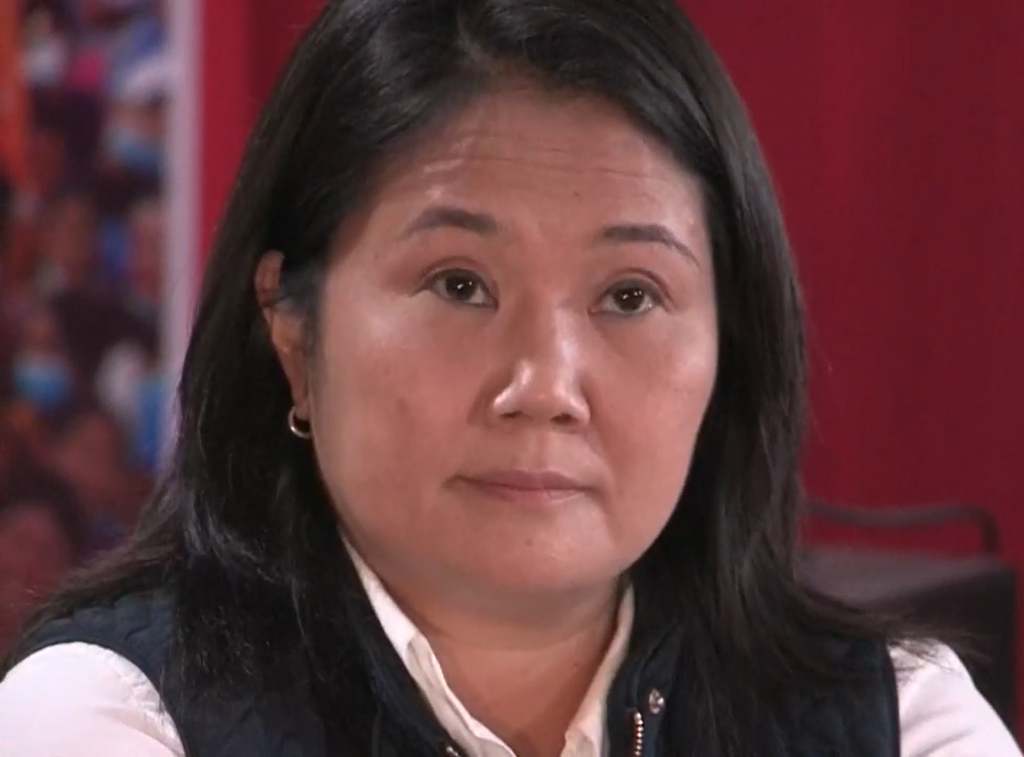
Keiko Fujimori, daughter of Peru’s late former president Alberto Fujimori, has officially declared her candidacy for the April 2026 presidential election, marking her return to the political arena after years of legal battles. The announcement comes shortly after Peru’s Constitutional Court dismissed a long-running money-laundering case against her, clearing the way for another bid for the presidency.
Fujimori, leader of the conservative Fuerza Popular party, is no stranger to Peru’s presidential contests. She has run three times before, finishing as runner-up in each race. Her most recent attempt was in 2021, when she narrowly lost to leftist Pedro Castillo, who was later impeached and arrested in 2022 after an attempt to dissolve Congress. Fujimori also lost to economist Pedro Pablo Kuczynski in 2016 and retired military officer Ollanta Humala in 2011.
This election marks Fujimori’s first campaign since the death of her father in September 2024. The former president, who led Peru from 1990 to 2000, died months after being released from prison on humanitarian grounds. He had served 16 years of a 25-year sentence for human rights abuses committed during his administration.
Peru’s Constitutional Court recently ruled that the money-laundering charges against Keiko Fujimori could not be applied retroactively, as they were only added to the penal code in November 2016. The court’s decision effectively ended years of investigation that had kept her political career in limbo. Fujimori spent nearly 17 months in pretrial detention during the probe.
Earlier in 2025, a lower court had annulled a previous trial and returned the case for further investigation. Prosecutors had sought a 35-year prison sentence, accusing Fujimori’s party and allies of accepting up to $17 million in illegal campaign funds from companies such as Brazil’s Odebrecht (now Novonor) and Peru’s Credicorp.
With her legal troubles behind her, Keiko Fujimori is once again positioning herself as a leading contender in Peru’s 2026 presidential race — a contest that could redefine the country’s political future.







