


 Jeff Bezos Invests $32 Billion in Blue Origin as Space Firm Targets Major Growth
  US Stock Futures Fall as Treasury Yields Surge Ahead of Trump-Xi Summit
  Suzuki Targets Faster Car Development to Keep Pace With Chinese Rivals
  Stuck in a creativity slump at work? Here are some surprising ways to get your spark back
  Trump, Xi Focus on Trade and AI at White House Summit
  Glastonbury is as popular than ever, but complaints about the lineup reveal its generational challenge
  Erste Group Plans Tender Offer to Boost Poland Bank Stake
  Disaster or digital spectacle? The dangers of using floods to create social media content
  Dollar Falls as Oil Eases, Yen Jumps on Intervention Signals
  Yes, government influences wages – but not just in the way you might think
  RBI Uses $10 Billion Currency Swaps to Drain Excess Rupee Liquidity
  Oil Prices Fall on U.S.-Iran Hormuz Deal Hopes
  Novo Nordisk Strikes €1.17 Billion Nanexa Drug Delivery Deal
  BMW 2028 Margin Target Could Fall Below Consensus, UBS Says
  Dollar Holds Near Two-Month High as Yen Approaches 160
  US 10-Year Treasury Yield at 6% Emerges as New Market Risk Threshold


 Add as a preferred source on Google
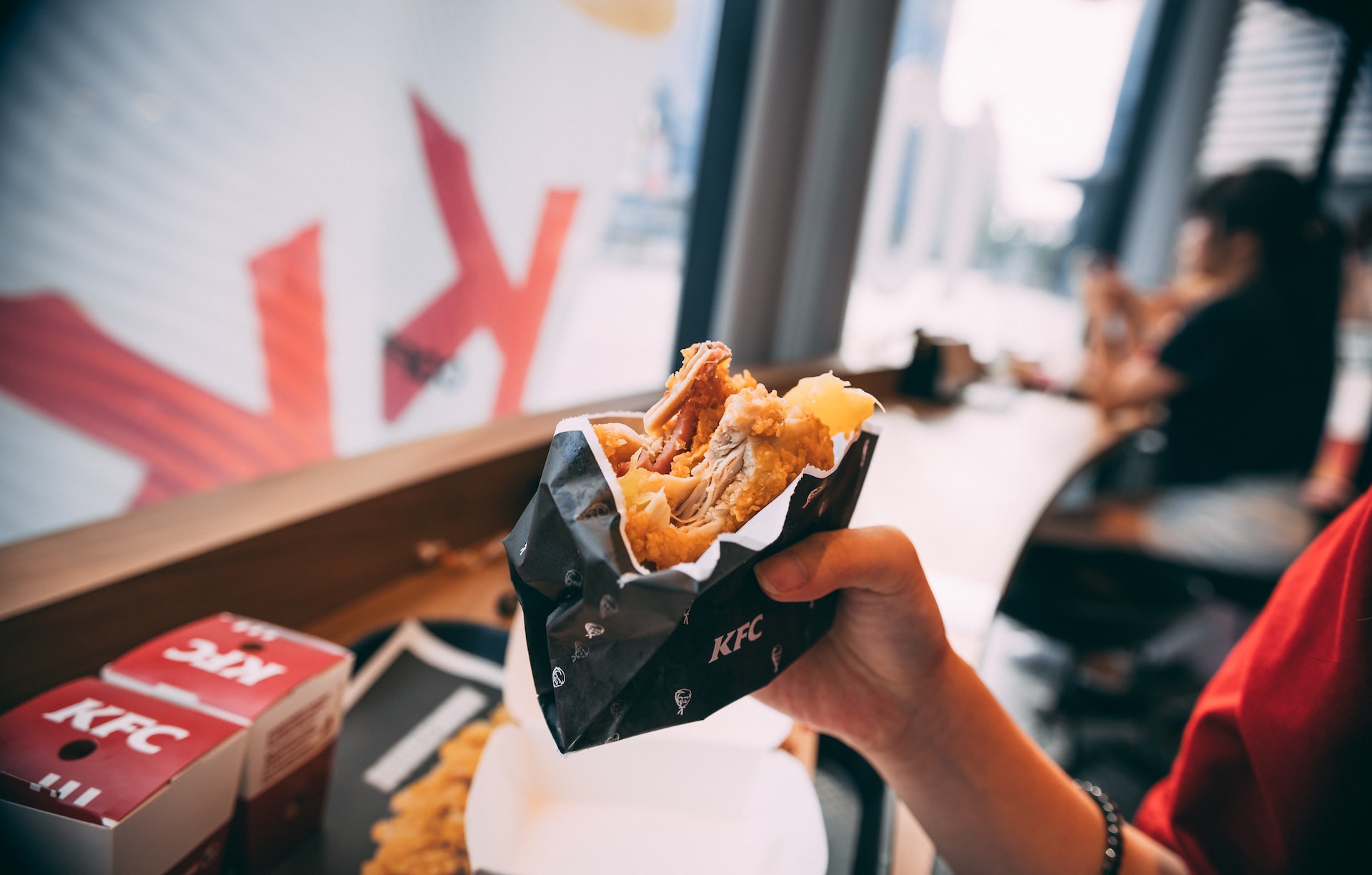
A UBS analysis reveals that KFC has surpassed McDonald's in inflating Australian menu prices, hitting customers with hikes up to 25% for popular items, despite falling costs for wheat, canola oil, and cheese. Amid a broad-based food price surge, this fast-food giant manages to maintain a relative edge over its competitor.
According to UBS, a Zinger burger combo has jumped from $8.95 to $10.95 since June last year, marking an increase of 22%. In addition, a pack of six nuggets has risen by a staggering 25% to $7.45. Interestingly, while individual items and meal combos at KFC increased in price at a faster pace than McDonald's, they were still generally cheaper than their McDonald's equivalents.
Although chicken prices reportedly peaked late last year, wheat, canola oil, and cheese prices have fallen. Despite KFC facing higher food costs, Collins Foods, which operates more than 260 KFC outlets in Australia, has claimed that it will try to increase prices in a way that does not annoy customers to boost its profitability. The significant increase in food prices is a primary driver of household financial pressures, with fast food a significant contributor to the food inflation rate of 7.9%.
Recent concerns regarding the rising cost of food amid the pandemic and subsequent cost-of-living crisis have sparked criticism, with some accusing food manufacturers and retailers of inflationary profiteering.
According to UBS, KFC products are now priced at an average 6% discount to McDonald's equivalents across a sample set of six menu products. However, one year ago, KFC products were 18% cheaper. Despite the industry's challenges, Collins Foods, which operates many Taco Bells in Australia, has been an early standout stock market performer during the pandemic, with surging demand for takeaway.
Meanwhile, KFC's South Penrith eatery serves delicious meals and makes a bold eco-friendly statement. The Form4 Architecture-designed restaurant, made out of 99% recycled materials, is a visual treat of sustainability.
Partnering with local start-up saveBOARD, KFC has utilized sustainable wall and ceiling tiles in the front of the house and opening spaces. This innovative use of materials signifies a future-forward approach that will be deployed in their new Australian outlets and retrofitted into existing stores.
Photo: Ziyang Hsiung/Unsplash







