


 Asian Stocks Slip as Tech Rout Deepens, Japan Steadies Ahead of Election
  BOJ Policymakers Warn Weak Yen Could Fuel Inflation Risks and Delay Rate Action
  India–U.S. Interim Trade Pact Cuts Auto Tariffs but Leaves Tesla Out
  RBI Holds Repo Rate at 5.25% as India’s Growth Outlook Strengthens After U.S. Trade Deal
  Silver Prices Plunge in Asian Trade as Dollar Strength Triggers Fresh Precious Metals Sell-Off
  Vietnam’s Trade Surplus With US Jumps as Exports Surge and China Imports Hit Record
  Singapore Budget 2026 Set for Fiscal Prudence as Growth Remains Resilient
  Trump Endorses Japan’s Sanae Takaichi Ahead of Crucial Election Amid Market and China Tensions
  Russian Stocks End Mixed as MOEX Index Closes Flat Amid Commodity Strength
  Japanese Pharmaceutical Stocks Slide as TrumpRx.gov Launch Sparks Market Concerns
  Fed Governor Lisa Cook Warns Inflation Risks Remain as Rates Stay Steady
  U.S.-India Trade Framework Signals Major Shift in Tariffs, Energy, and Supply Chains
  South Africa Eyes ECB Repo Lines as Inflation Eases and Rate Cuts Loom
  Federal Reserve Faces Subpoena Delay Amid Investigation Into Chair Jerome Powell


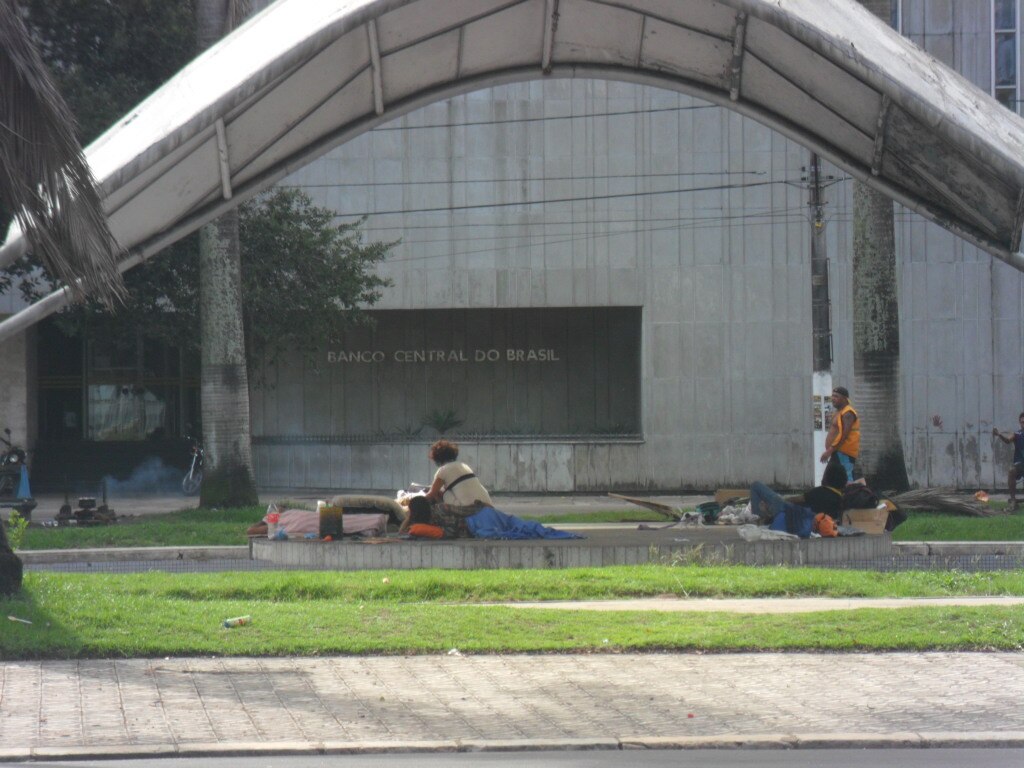
Brazil’s central bank left its benchmark Selic rate unchanged at 15% on Wednesday, marking the fourth straight meeting without a policy shift as inflation expectations continue to exceed the official target. The monetary policy committee (Copom), led by Gabriel Galipolo, delivered a unanimous decision that matched market forecasts and reinforced its commitment to a restrictive stance aimed at controlling persistent price pressures.
The Selic rate remains at its highest level in nearly twenty years following a cumulative 4.5 percentage-point tightening cycle carried out between September 2024 and June 2025. In its accompanying statement, the central bank noted that although recent inflation readings show some improvement, projections remain above desired levels. According to the latest Focus survey, inflation expectations sit at 4.4% for 2025 and 4.2% for 2026—both above the central bank’s target range and a signal that inflation expectations remain deanchored despite policy efforts.
Policymakers emphasized that the economic landscape is shaped by significant global uncertainties, including shifts in U.S. economic policy, tighter financial conditions, and growing geopolitical risks. Within Brazil, recent GDP figures point to moderating economic activity, even as the labor market continues to show resilience. Copom also highlighted several upside risks that could intensify inflation, such as the persistence of elevated services prices, stronger domestic demand, and the potential impact of domestic or international economic policy decisions. On the downside, a sharper-than-expected economic slowdown, weaker global growth, or a significant drop in commodity prices could help ease inflationary pressures.
The central bank added that it is closely watching U.S. tariff decisions affecting Brazilian exports as well as developments in Brazil’s fiscal policy. Officials reiterated that achieving inflation convergence will require maintaining a “significantly contractionary monetary policy for a very prolonged period,” given the combination of high inflation projections, robust economic conditions, and fragile expectations. Copom also signaled that while it intends to remain vigilant, it could adjust policy again if necessary—including the possibility of renewed rate hikes should inflation risks intensify.













