


 Trump Administration Bars U.S. Travelers From Congo Flights Amid Ebola Outbreak
  Alcohol is one of the most dangerous drugs, yet its presence is ubiquitous in social settings and celebrations
  Japanese Bank Stocks Surge as Bond Yields Fuel Rate Hike Bets
  AMD Hits $1 Trillion as BofA Raises Price Target to $720
  Neuralink Plans High-Volume Brain Implant Production and Fully Automated Surgery by 2026
  Novartis M&A Strategy Faces Investor Scrutiny After Drug Setbacks
  Tabletop particle accelerator could transform medicine and materials science
  Fed Unveils Stablecoin Rules Under GENIUS Act
  Eli Lilly’s Inluriyo Gains FDA Approval for Advanced Breast Cancer Treatment
  Trump Signs Executive Order to Boost AI Research in Childhood Cancer
  US 10-Year Treasury Yield at 6% Emerges as New Market Risk Threshold
  Former OpenAI Data Center Chief Chris Malone Joins Nvidia
  SpaceXAI to Double Nvidia Chips at Colossus 2 by Year-End
  Trump Administration to Launch Autism Initiatives Targeting Acetaminophen Use and New Treatment Options
  Moderna Wins FDA Approval for mFLUSIVA mRNA Flu Vaccine for Adults 50+
  Oil Prices Ease as Iran Tensions Clash With Diplomacy Hopes
  Asian Stocks Fall as Surging Bond Yields Rattle Markets


 Add as a preferred source on Google
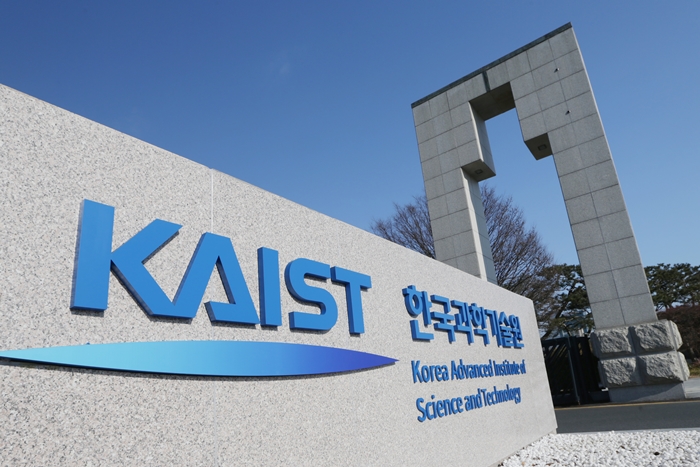
Researchers from the Korea Advanced Institute of Science and Technology (KAIST) have developed a wearable green organic light-emitting diode (OLED) with a 470-nanometer (nm) wavelength that can cure jaundice in infants.
The OLED provides sufficient power for jaundice treatment even at low voltage, durability for over 100 hours of operation, a low operating temperature of less than 35 Celsius degrees, and flexibility that can endure over 1,000 bends at a 2 mm radius of curvature.
The bilirubin level of the infants’ serum reaches 12 milligrams per decilitre (mg/dL) within three hours of being exposed to the OLED, indicating the completed treatment of jaundice.
Unlike existing light-emitting diode (LED)-based jaundice treatment devices currently used at hospitals, the OLED showed uniform and effective treatment functions.







