


 EU Agrees €6.6 Billion Military Aid Funding for Ukraine
  US Supreme Court Revives Trump Administration Voter Citizenship Database
  Yemen Violence Displaces 130,000 as Civilian Toll Rises
  Meta Found Liable in New Mexico Facebook Data Privacy Case
  Trump, Xi Focus on Trade and AI at White House Summit
  US Court Approves airBaltic Chapter 11 Restructuring
  Evan Gershkovich Says FSB Set Trap for 2023 Russia Arrest
  France Defends Netanyahu Airspace Clearance Despite ICC Warrant
  Trump, Xi Visit US National Archives After White House Summit
  Mahmoud Khalil Sues Columbia Over Alleged Pro-Palestinian Harassment
  ICE Agent Arrested in Minneapolis Over Venezuelan Man Shooting
  Saudi Arabia Seeks Military Support as Houthi Attacks Escalate
  What ‘Taiwan Independence’ Means as Xi Presses Trump on US Policy
  LVMH-Hermès Dispute Deepens Over Secret 2002 Share Deal
  US Appeals Court Upholds Anthropic AI Supply Chain Ban
  Trump Asks Supreme Court to Restore Third-Country Deportations
  Najib Razak Granted House Arrest Until 2028


 Add as a preferred source on Google
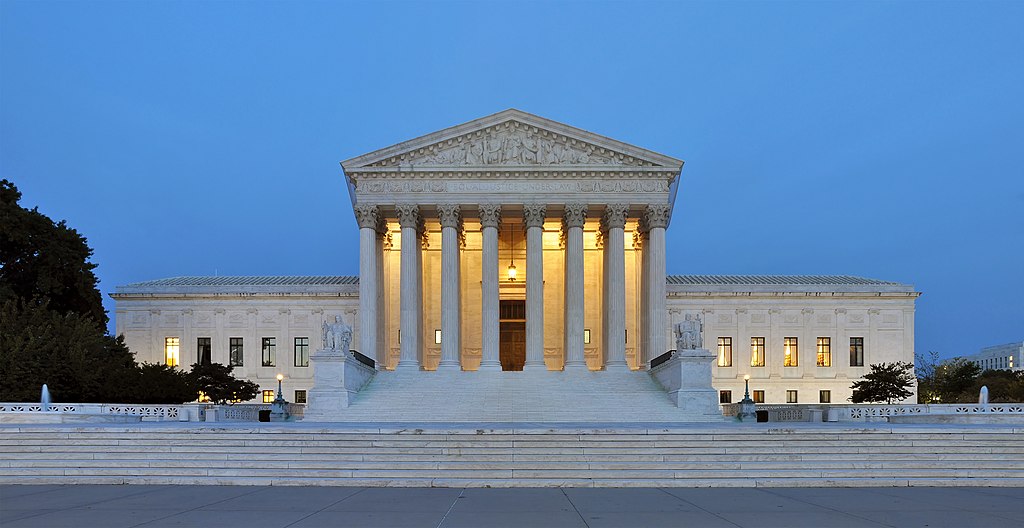
The Trump administration faced a challenging day at the U.S. Supreme Court as justices questioned the legality of President Donald Trump’s sweeping tariffs. Legal analysts noted that Justice Neil Gorsuch, a conservative often aligned with Trump, delivered some of the toughest inquiries, signaling skepticism about the administration’s expansive interpretation of presidential power.
At issue is whether the 1977 International Emergency Economic Powers Act (IEEPA) grants the president authority to impose tariffs under the guise of a national emergency. While lower courts have ruled against Trump’s interpretation, they allowed the tariffs to remain until the Supreme Court’s final decision. Gorsuch pressed Solicitor General D. John Sauer, questioning whether such power could let Congress “abdicate all responsibility” for regulating foreign commerce or even declaring war—an alarming possibility that underscored the debate over executive overreach.
Chief Justice John Roberts also voiced concern, reminding that imposing tariffs effectively taxes Americans—a power rooted in Congress. Justice Amy Coney Barrett, another Trump appointee, similarly showed doubt about the administration’s reading of IEEPA. Gorsuch’s remarks, however, drew the most attention as he warned that once Congress cedes power to the president, “it’s a one-way ratchet” eroding legislative authority.
Observers said Gorsuch’s pointed questions revealed the weaknesses in the administration’s defense. Todd N. Tucker of the Roosevelt Institute noted that even the Justice Department conceded that such broad presidential power could allow future administrations to impose sweeping economic controls under other emergencies, such as climate change.
Gorsuch’s critical stance surprised many, given his conservative record and appointment by Trump. Yet it aligns with his history of challenging executive overreach, as seen in previous rulings that curbed vague immigration laws and expanded civil rights protections. Analysts say this case may define how far the Supreme Court is willing to let presidential authority stretch in Trump’s second term.







