


 Australia Plans New Rules Giving Users Control Over Social Media Feeds
  CNN, MS NOW and Politico Sue Trump Over White House Media Ban
  Australia Defends Social Media Algorithm Law Amid US Concerns
  ICE Officer Shoots Man in Austin, Sparking Calls for Independent Probe
  Who should own the knowledge that underpins AI technology?
  U.S. Issues Cuba Health Alert as Illnesses Rise
  Trump Scales Back Endangered Species Act Protections
  Meta Agrees to $18 Billion Settlement, Tightens Teen Social Media Rules
  Russian Drone Attacks Kill Four in Kyiv Region, Including Three Children
  U.S. Imposes New Visa Restrictions Over South Africa Policies
  Trump Plans Military Complex Inside Washington Triumphal Arch
  Trump Sets High-Stakes UN Meetings With Zelenskiy, Gulf Leaders
  Judge Blocks Trump Rule Limiting Foreign Student Visas
  Nvidia-Groq AI Chip Deal Faces U.S. Antitrust Probe
  US Bans Canadian Alcohol, Motorcycles as Trade War Escalates
  Sara Duterte Posts Bail Over Grave Threats Case
  Synthetic data could ease people’s concerns about privacy breaches. But who gets to create it?


 Add as a preferred source on Google
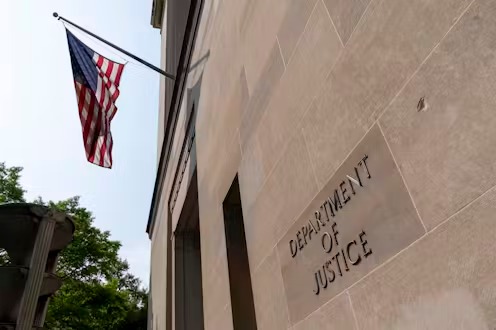
A U.S. judge has ruled that President Donald Trump’s dismissal of Hampton Dellinger, head of the Office of Special Counsel, was unlawful. U.S. District Judge Amy Berman Jackson’s decision, issued Saturday, marks a significant challenge to presidential authority and could reach the U.S. Supreme Court.
Dellinger, appointed by President Joe Biden and confirmed for a five-year term, oversees whistleblower protections for federal employees. The Justice Department quickly appealed the ruling to the U.S. Court of Appeals for the District of Columbia.
Jackson, appointed by Barack Obama, stated that allowing Trump to fire Dellinger would grant him excessive control over executive branch officials. She emphasized that the Special Counsel’s role ensures ethical oversight and safeguards whistleblowers from retaliation. "It would be ironic and contrary to the statute’s purpose if the Special Counsel himself could be intimidated by political pressures," she wrote.
The Trump administration argues that keeping Dellinger in office infringes on the president’s authority. Acting Solicitor General Sarah Harris contends that Dellinger’s actions, including blocking the firing of six government employees, are harming the administration.
Trump has previously challenged the independence of federal agencies such as the Federal Trade Commission and Securities and Exchange Commission. The outcome of this case could impact his ability to reshape regulatory bodies.
Jackson clarified that her ruling is "extremely narrow" and does not broadly limit Trump’s presidential powers. However, it sets a critical precedent regarding the removal of key oversight officials.
With the case now on appeal, the Supreme Court may ultimately decide the limits of executive power in dismissing federal watchdogs.







