


 Sudan Rejects US Legitimacy Remarks, Defends Sovereignty
  Canada Unveils Bill to Fast-Track Major Resource Projects
  Macron Challenges Trump’s Gaza Peace Claims at UN
  Trump Says U.S.-Iran Peace Deal Near After UN Talks
  Iran Vows ‘Crushing’ Response as US Talks Continue
  Russian Strikes Kill Eight Across Ukraine as Energy Sites Hit
  Scott Bessent Eyed as Trump’s New AI Czar
  Zelenskiy Warns Russia Preparing Major Attack on Ukraine
  Trump Says ‘Freedom’ Is Coming to Cuba
  Lula and Flavio Bolsonaro Tied in Brazil Runoff Poll
  US Invites Putin to Miami G20, Opening Door to Trump Summit
  China Tightens Fentanyl Rules Ahead of Trump-Xi Summit
  Europe Warns Russia Is Escalating Hybrid Attacks Across NATO
  Russian Envoy Dmitriev Heads to US for Ukraine Talks
  Trump Meets Venezuela’s Delcy Rodriguez at UN Assembly
  Macron, Trump Discuss Ukraine-Russia Energy Strike Moratorium
  Burnham Eyes UK Leadership Role in AI Ahead of Trump Meeting


 Add as a preferred source on Google
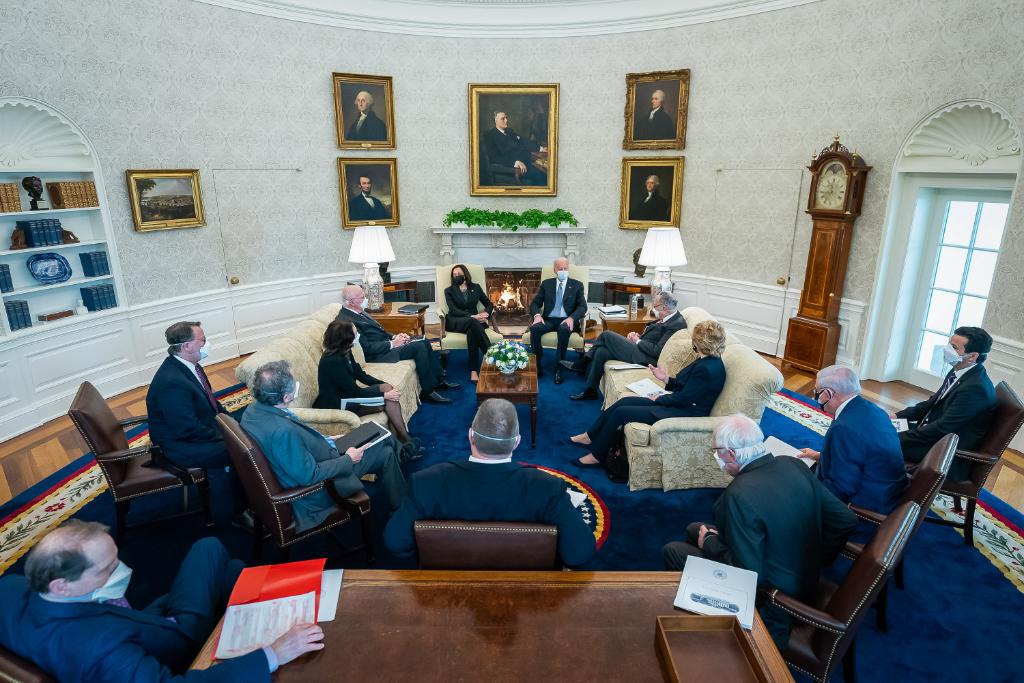
Lawmakers are still reeling from the fallout that occurred during the Capitol riots last January 6 ahead of Joe Biden’s inauguration. In the recent prayer breakfast, Biden sought to call out the “political extremism” that resulted in the violence at the Capitol.
During the National Prayer Breakfast, Biden called out the extremist views on politics that played a part in the violence that occurred last month. The event that brings together lawmakers and officials from all political ideologies was made virtual this year due to the ongoing pandemic. Biden’s four living predecessors also gave their remarks at the event, with Delaware Senator Chris Coons reading the remarks on behalf of former president Jimmy Carter. As expected, Donald Trump did not make any remarks.
“We know now that we must confront and defeat political extremism, white supremacy, and domestic terrorism,” said Biden. “For so many in our nation, this is a dark, dark, time. So where do we turn? Faith.”
Biden, the second Catholic president elected in the country, also shared how his faith gave him hope and solace, as well as clarity and purpose. “It shows the way forward, as one nation in a common purpose, to respect one another, to care for one another, to leave no one behind.”
The previous National Prayer Breakfast was highly-criticized, as Trump used the event to blast his critics as it was in the wake of his acquittal by the Senate during the first impeachment trial. Trump singled out House Speaker Nancy Pelosi and Utah Senator Mitt Romney, who voted to convict Trump during the previous prayer breakfast in his attack.
At the same time, Biden addressed foreign policy during his visit to the State Department where he announced the end of US support for offensive operations in the ongoing conflict in Yemen including arms sales. However, Biden added that the US will continue to support Saudi Arabia in defending its sovereignty and territory. In light of the ongoing conflict in Yemen and in an effort to engage on a more diplomatic level, Biden appointed US diplomat Timothy Lenderking as a special envoy for Yemen.







