


 South Korea, US Discuss Warship Building Cooperation
  Gaza Faces Evacuation Crisis as War-Damaged Buildings Risk Collapse
  Kremlin Says No Grounds Yet for Ukraine Peace Talks
  Taiwan Vows to Advance US Arms Sales Ahead of Trump-Xi Meeting
  Mexico-US Trade Talks Delayed to October as Tariff Negotiations Continue
  Europe Warns Russia Is Escalating Hybrid Attacks Across NATO
  Ghana Says Western Support Growing for Slave Trade Reparations
  Venezuela Promises Elections as Delcy Rodriguez Pledges Democratic Transition
  Russian Strikes Kill Eight Across Ukraine as Energy Sites Hit
  US, China Extend Trade Truce to Jan. 10 Ahead of Trump-Xi Summit
  Trump Says ‘Freedom’ Is Coming to Cuba
  US Officials Split Over Response to Israeli West Bank Settlements
  Judge Orders Trump to Restore White House Access for CNN, MS NOW and Politico
  Zelenskiy Warns Russia Preparing Major Attack on Ukraine
  Macron Challenges Trump’s Gaza Peace Claims at UN
  Trump Board of Peace Unveils $2.45 Billion Gaza Recovery Plan
  Sudan Rejects US Legitimacy Remarks, Defends Sovereignty


 Add as a preferred source on Google
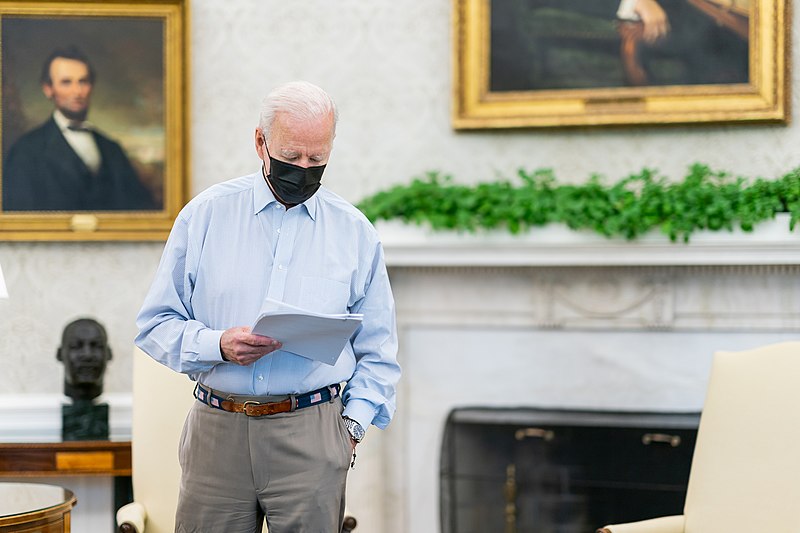
US President Joe Biden is boosting efforts to increase vaccination rates with the goal of having most adult Americans receiving their vaccines by July 4. However, recent data may spell trouble for the Biden administration as rates appear to be falling short.
The latest numbers from the Center for Disease Control and Prevention revealed that the vaccination rates in the US are slowing down. As of June 3, 63 percent of adults have received their first dose of the COVID-19 vaccine. This was a slight increase from May 27’s numbers of 62 percent.
Nevertheless, the one percent increase shows the lowest number since the CDC started tracking the statistics back in February. Prior to the week of May 27, the seven-day rolling average of new adults getting their first dose of the vaccines did not fall below 1.5 percent. The drop, despite anticipated, remains to be surprising following data that showed fewer new adults getting vaccinated after the rates peaked mid-April, the slide appeared to end by mid-May.
From May 14 to May 27, the seven-day average of new adults getting vaccinated stayed consistent. This was around the same time the CDC introduced new guidelines, easing mask-wearing among those who have already been vaccinated. The new guidelines led to an increase in adults looking to get their shots.
At this rate, the US may not be able to reach Biden’s goal of having 70 percent of Americans receiving their shot by July 4. The current rate would also put the country somewhere between 67 to 68 percent of its adult population getting their shots.
In other news, Biden is also gearing up to transition from the usual fossil fuel-powered vehicles to electric ones, signaling his administration’s push to a more environmentally-friendly mode of transportation. This follows his visit to the Ford Rouge Electric Vehicle Center in May, where he was able to test-drive the Ford F-150’s electric-powered version. His visit to the center also comes as he looks to shore up support for his proposed infrastructure plan, which would place a $174 billion investment in electric vehicles.
However, this would meet some opposition from the Republican members of Congress, who have raised concerns regarding the proposed price tag and on the aspect of having more electric vehicles alone.







