


 Dollar Holds Near Two-Month High as Yen Approaches 160
  US 10-Year Treasury Yield at 6% Emerges as New Market Risk Threshold
  Mexico-US Trade Talks Delayed to October as Tariff Negotiations Continue
  Xi Calls for Deeper U.S.-China AI Cooperation in Trump Talks
  Wall Street Ends Flat as Oil, Treasury Yields and Fed Jitters Rattle Markets
  Netanyahu Takes Aim at Mamdani as Israel Election Nears
  US Stock Futures Fall as Treasury Yields Surge Ahead of Trump-Xi Summit
  Asian Stocks Fall as Bond Yields Surge Ahead of Trump-Xi Summit
  Netanyahu’s Brief US Trip Highlights Strains With Trump
  Russian Envoy Dmitriev Heads to US for Ukraine Talks
  South Korea, US Discuss Warship Building Cooperation
  Fed Unveils Stablecoin Rules Under GENIUS Act
  Ghana Says Western Support Growing for Slave Trade Reparations
  Najib Razak Seeks Stay of 15-Year 1MDB Prison Sentence
  Kremlin Says No Decision Yet on Putin-Trump December Summit
  Australia Unemployment Hits Five-Year High Despite Strong Jobs Growth
  Soybean Futures Slip as Traders Await Trump-Xi Trade Signals


 Add as a preferred source on Google
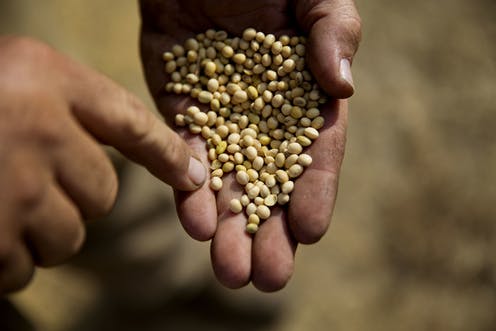
U.S. crop shipments to China are beginning to accelerate again after months of stagnation caused by a tense tariff dispute, with at least six bulk vessels scheduled to load soybeans at Gulf Coast terminals through mid-December. According to shipping data reviewed by Reuters, a seventh vessel has already departed—the first U.S. soybean shipment to China since May—signaling a potential turnaround in agricultural trade flows.
The renewed activity follows late-October trade discussions between U.S. President Donald Trump and Chinese President Xi Jinping in South Korea. The White House stated that Beijing vowed to purchase 12 million metric tons of U.S. soybeans by year-end, although China has not publicly confirmed this commitment. Even so, U.S. farmers and grain exporters, who have been hit hard by declining prices and reduced demand, are closely watching the recent uptick in shipments for signs of market recovery.
U.S. Agriculture Secretary Brooke Rollins recently reaffirmed expectations for a trade agreement with China, noting that the administration plans to unveil a farmer aid package next week to help offset losses stemming from prolonged trade disruptions. USDA data shows Chinese buyers booked nearly 2 million metric tons of U.S. soybeans last month for the 2025/26 marketing year, which ends in August 2026. However, total commitments still fall short of pre-trade-war levels, when China dominated global soybean imports and heavily relied on U.S. supplies.
Soybean futures have hovered near five-year lows due to China’s reduced purchasing activity, but the latest shipping schedule suggests a possible rebound. Vessels including the Tokugawa, Katagalan Brave, RB Eden, Hua Xing Hai, Donna Alexandra, and SSI Dominion are either loading or expected to load soybeans within the next two weeks.
Shipments of U.S. sorghum to China have also resumed for the first time since March. The Bungo Queen is currently loading at a Texas Gulf terminal, while another vessel, the YM Navigator, is slated to load next week in the Pacific Northwest. These renewed crop movements signal cautious optimism for U.S. agricultural exporters as they look toward a more stable trade environment.







