


 U.S.-India Trade Framework Signals Major Shift in Tariffs, Energy, and Supply Chains
  Trump Signs Executive Order Threatening 25% Tariffs on Countries Trading With Iran
  TrumpRx.gov Highlights GLP-1 Drug Discounts but Offers Limited Savings for Most Americans
  Fed Governor Lisa Cook Warns Inflation Risks Remain as Rates Stay Steady
  Marco Rubio Steps Down as Acting U.S. Archivist Amid Federal Law Limits
  Ohio Man Indicted for Alleged Threat Against Vice President JD Vance, Faces Additional Federal Charges
  RBA Expected to Raise Interest Rates by 25 Basis Points in February, ANZ Forecast Says
  Silver Prices Plunge in Asian Trade as Dollar Strength Triggers Fresh Precious Metals Sell-Off
  Trump Allows Commercial Fishing in Protected New England Waters
  New York Legalizes Medical Aid in Dying for Terminally Ill Patients
  South Korea Assures U.S. on Trade Deal Commitments Amid Tariff Concerns
  Bank of Japan Signals Readiness for Near-Term Rate Hike as Inflation Nears Target
  MAS Holds Monetary Policy Steady as Strong Growth Raises Inflation Risks
  Trump Endorses Japan’s Sanae Takaichi Ahead of Crucial Election Amid Market and China Tensions
  Why Trump’s new pick for Fed chair hit gold and silver markets – for good reasons
  UAE Plans Temporary Housing Complex for Displaced Palestinians in Southern Gaza


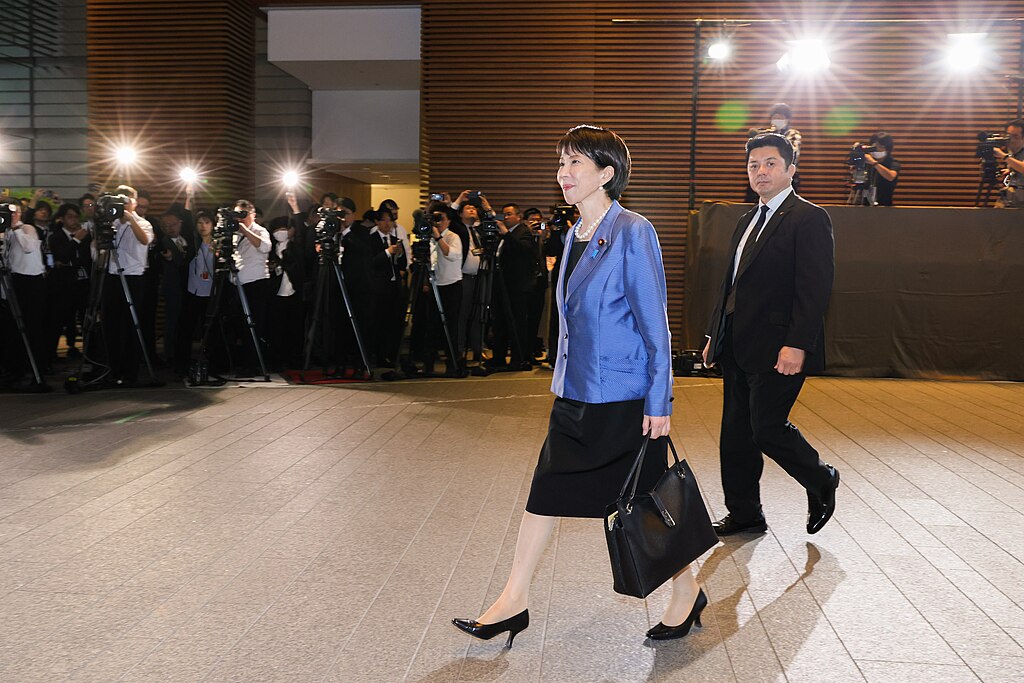
Japanese Prime Minister Sanae Takaichi emphasized her desire for inflation in Japan to be driven by wage increases rather than surging food costs, signaling her administration’s preference for maintaining low interest rates. Speaking before parliament on Wednesday, Takaichi expressed concern that Japan could slip back into deflation — a scenario that would discourage consumer spending, suppress corporate profits, and hinder wage growth.
“The type of inflation we’re seeing now is not good,” Takaichi said, criticizing price increases led mainly by higher food costs. She added that moderate inflation supported by rising wages would create a healthier and more sustainable economy.
To counter the impact of escalating living costs, Takaichi announced plans for a government package aimed at easing household burdens and stimulating investment in growth sectors. Such measures, she noted, would strengthen corporate earnings and improve consumer sentiment, supporting the broader goal of building a “strong economy.”
Takaichi also urged close coordination with the Bank of Japan (BOJ), expressing hope that the central bank would “sustainably and stably” achieve its 2% inflation target through wage-led growth rather than cost-push pressures. Known for her expansionary policy stance, Takaichi’s remarks underscore the challenge facing the BOJ, which must balance government pressure for low rates with market expectations of an impending rate hike.
While the BOJ maintained its benchmark rate at 0.5% last month, Governor Kazuo Ueda hinted that rate hikes could come as early as December if wage growth trends persist. Analysts warn, however, that delaying rate increases could weaken the yen further, increasing import costs and fueling inflation.
Finance Minister Satsuki Katayama also voiced concern about the yen’s rapid depreciation, noting that its negative effects now outweigh the benefits for exporters. Core inflation stood at 2.9% in September, marking another month above the BOJ’s 2% target and adding pressure on policymakers to carefully balance growth, wages, and prices.













