


 China Agrees to Buy 20 Million Tons of U.S. Coal
  Wall Street Ends Flat as Oil, Treasury Yields and Fed Jitters Rattle Markets
  Asian Currencies Mixed as Dollar Holds Near Two-Month High
  Germany’s 2026 Growth Outlook Strengthens on Fiscal Spending
  UK PM Burnham to Unveil Economic Vision at Labour Conference
  Fed Unveils Stablecoin Rules Under GENIUS Act
  US Comfortable With Canada Trade Standoff as Import Bans Loom
  Asian Stocks Fall as Surging Bond Yields Rattle Markets
  Dollar Falls as Oil Eases, Yen Jumps on Intervention Signals
  Gold Prices Fall as Treasury Yields Rise on Fed Rate Hike Bets
  Soybean Futures Slip as Traders Await Trump-Xi Trade Signals
  Asian Stocks Fall as Bond Yields Surge Ahead of Trump-Xi Summit
  Canadian Dollar Faces Pressure as Fed-BoC Policy Gap Widens
  Trump, Xi Focus on Trade and AI at White House Summit
  Australia Unemployment Hits Five-Year High Despite Strong Jobs Growth
  Gold Holds Near $4,275 as Rising Treasury Yields Fuel Fed Rate Hike Bets
  Japanese Bank Stocks Surge as Bond Yields Fuel Rate Hike Bets


 Add as a preferred source on Google
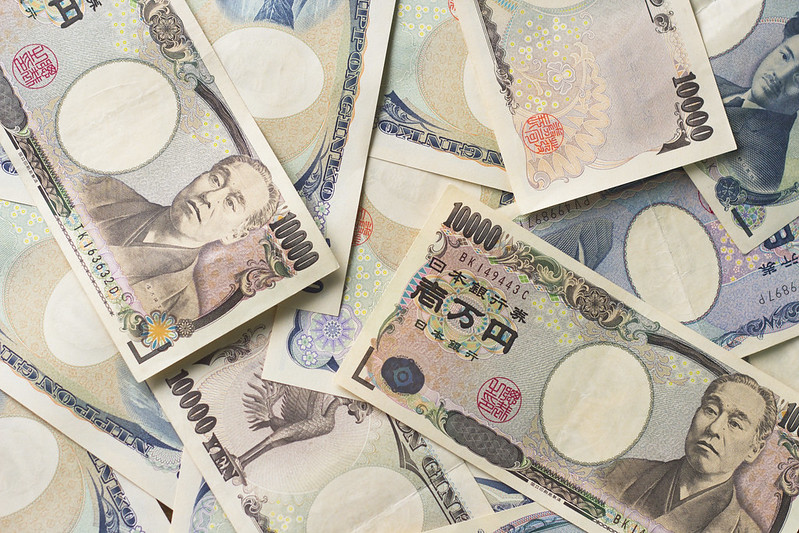
Japan’s Finance Minister Katsunobu Kato expressed concern on Friday over recent foreign exchange volatility as the yen weakened to its lowest level in four months against the U.S. dollar. Speaking at a press conference, Kato stressed the need for stable currency movements aligned with economic fundamentals, cautioning against speculative activity driving sharp fluctuations.
The yen fell to 150.89 per dollar, marking its weakest point since March 28. The decline adds pressure on Japan’s policymakers, who have been closely monitoring currency markets amid persistent weakness in the yen throughout 2024. A weaker yen benefits exporters but raises import costs, further straining households already facing higher living expenses.
Kato’s comments come a day after Bank of Japan Governor Kazuo Ueda downplayed immediate inflation risks from current exchange rates. Ueda indicated that the yen’s present levels are unlikely to significantly affect the central bank’s inflation outlook, a stance interpreted by traders as tolerance toward the currency’s softness.
Japan’s government has repeatedly signaled readiness to respond to excessive currency moves, including potential market intervention, though no direct action has been taken yet. Market watchers are closely watching for any coordinated response between the finance ministry and the Bank of Japan to stabilize the yen if volatility intensifies.
The yen’s continued slide underscores ongoing divergence between U.S. Federal Reserve policy and Japan’s ultra-loose monetary stance. With the Fed maintaining higher interest rates, the dollar remains supported, while Japan’s accommodative policy keeps downward pressure on the yen. Traders remain alert for any signals of intervention as Tokyo balances the risks of currency weakness against its economic recovery goals.







